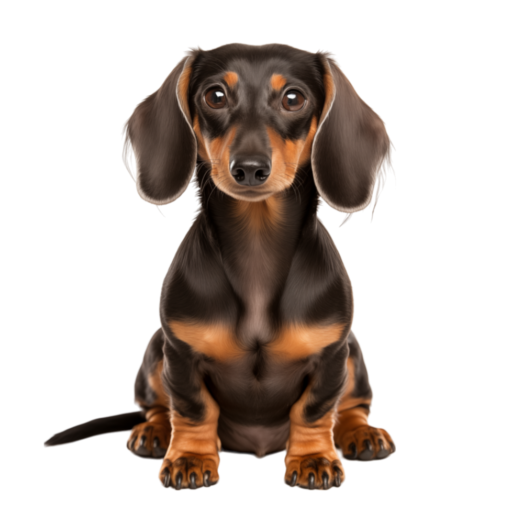
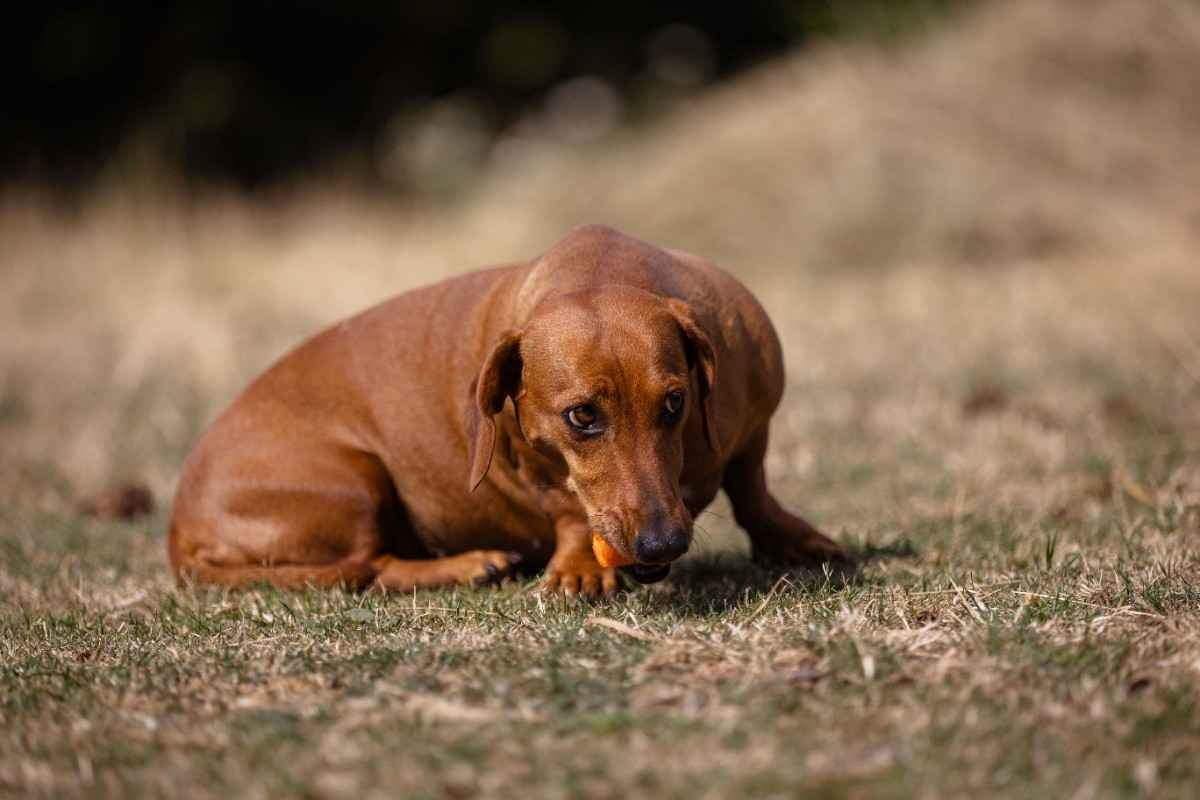

Imagine a small, determined dog, burrowing deep into the earth to confront a formidable foe. This vivid image perfectly encapsulates the historical role of the Dachshund. Far from being merely a charming lapdog, the breed was meticulously developed in Germany centuries ago for a very specific and challenging task: hunting badgers and other den-dwelling animals.
Indeed, understanding why were Dachshunds bred? The original purpose of the Dachshund was rooted in their exceptional ability to navigate tight underground tunnels. Their unique physical attributes were not accidental; rather, they were carefully engineered through selective breeding to excel in this dangerous pursuit, making them indispensable companions for hunters.
This deep dive explores the fascinating origins of these courageous canines, revealing the ingenious design behind their distinctive appearance and tenacious spirit.
Confronting the Formidable Foe: Badgers and Their Burrows
Badgers, particularly the European badger (Meles meles), are powerful, stocky animals known for their impressive digging abilities and fierce defensive nature. They construct intricate underground tunnel systems called “setts,” which can be extensive and complex. Hunting badgers required a dog capable of following them into these dark, confined spaces.
Furthermore, badgers possess strong claws, powerful jaws, and thick hides, making them dangerous adversaries even for larger dogs. A successful badger dog needed not only the physical capability to enter the sett but also the courage and tenacity to engage a formidable opponent in its own territory.
Consequently, the breeding efforts focused on developing a dog that could face these challenges head-on, embodying a blend of agility, strength, and unwavering bravery.
A Canine Engineered for the Hunt: The Dachshund’s Unique Anatomy
The Dachshund’s distinctive appearance—long body, short legs, and deep chest—is a direct result of its original purpose. Every physical trait was honed to make it the ultimate badger-hunting machine. This specific morphology, known as chondrodysplasia, was intentionally selected and propagated.
This unique build allowed them to perform tasks that other breeds simply couldn’t manage. Their low profile enabled them to slip into narrow openings and maneuver through constricted tunnels with remarkable ease. Moreover, their robust build belied their size, providing the necessary strength for the job.
Also read about: Double Dapple Dachshund: Genetics, Appearance & Health Risks
The Elongated Body and Short Legs: A Design Masterpiece
The Dachshund’s elongated body and short, muscular legs were crucial for navigating underground burrows. Their short stature meant they could enter tunnels too small for most other hunting dogs.
In addition, their powerful legs, equipped with large, paddle-like paws, were excellent for digging and maneuvering through soil and debris. This combination allowed them to pursue prey deep within its lair, often flushing it out for hunters waiting above ground.
Their flexible spines also contributed to their agility in tight spaces, allowing them to twist and turn as needed. This design truly made them masters of subterranean pursuit.
Powerful Jaws and Fearless Temperament
Beyond their physical structure, Dachshunds were bred for their strong jaws and fearless temperament. Confronting a badger in a dark tunnel demanded immense courage and a tenacious spirit.
These dogs possessed a relentless drive to pursue and engage their prey. Their strong bite was essential for gripping and holding a badger, or at least cornering it until the hunter could intervene. As a result, breeders prioritized these behavioral traits alongside physical ones.
Their loud, resonant bark, often described as a “bay,” was also a critical asset, allowing hunters above ground to locate their dog and its quarry, even when deep underground.
From Ancient Hounds to Modern “Badger Dogs”
The lineage of the Dachshund can be traced back to medieval Germany, where hunters began to selectively breed hounds for specialized tasks. Over centuries, these efforts refined a type of dog specifically designed for subterranean hunting.
The name “Dachshund” itself offers a clear clue to their heritage: “Dachs” means badger, and “Hund” means dog in German. Therefore, they are quite literally “badger dogs.” Early versions of the breed were likely larger and heavier than today’s standard Dachshunds, reflecting the formidable nature of their primary quarry.
Historical records and illustrations depict these early Dachshunds working alongside hunters, demonstrating their long-standing utility in the field. Consequently, their development was a gradual process of refinement, driven by practical hunting needs.
The Evolution of the Breed: Size and Purpose
While badgers were the primary target, Dachshunds also proved incredibly effective against other den-dwelling animals. Their versatility led to further specialization within the breed, resulting in different sizes and coat types tailored for various hunting scenarios.
This adaptation ensured that hunters had a Dachshund suitable for a range of prey, from the largest badgers to smaller foxes and rabbits. The breed’s adaptability underscores the thoughtful approach taken by their original breeders.
Consequently, the breed evolved to meet diverse ecological and hunting demands, solidifying its place as a multifaceted working dog.
Standard vs. Miniature Dachshunds: Tailored for Different Prey
The development of both Standard and Miniature Dachshunds highlights the breed’s adaptability. Standard Dachshunds, typically weighing between 16 to 32 pounds, were bred for hunting badgers and wild boar, requiring substantial strength and stamina.
Conversely, Miniature Dachshunds, weighing 11 pounds or less, were developed to hunt smaller prey like rabbits and stoats, which inhabit even narrower burrows. This size differentiation allowed hunters to select the ideal dog for the specific game they pursued.
You might interested in this breed: Dachshund Cocker Spaniel Mix: Traits, Size & Care
Therefore, the variation in size was a direct response to the need for a dog perfectly suited to the dimensions of different animal dens.
Wirehaired, Smooth, and Longhaired Varieties: Adaptations for Terrain
The three distinct coat types—smooth, longhaired, and wirehaired—also emerged from practical hunting considerations. Smooth-coated Dachshunds were likely the original type, well-suited for temperate climates and less dense undergrowth.
Longhaired Dachshunds, possibly developed through crosses with spaniels, offered better protection against cold weather and rough terrain. Their elegant appearance belies their rugged utility.
Wirehaired Dachshunds, thought to have been bred with terriers or other rough-coated dogs, possessed a dense, protective coat ideal for navigating thorny bushes and dense brush, providing excellent insulation and defense against environmental hazards. According to the American Kennel Club, all three coat types share the same courageous spirit.
Beyond the Hunt: Dachshunds in Modern Society
While their original purpose was strictly utilitarian, Dachshunds eventually transitioned from solely working dogs to beloved companions. Their charming personalities, loyalty, and distinctive looks endeared them to people far beyond the hunting fields.
Today, most Dachshunds live as cherished family pets, though their innate instincts often remain. Many still enjoy digging, chasing small animals, and demonstrating their characteristic bravery, even if their “prey” is now a squeaky toy.
Their journey from fearless badger hunters to adored household members is a testament to their enduring appeal and adaptability. However, their history as working dogs continues to inform their behavior and unique requirements.
Why Were Dachshunds Bred? The Original Purpose of the Dachshund Unveiled
In essence, Dachshunds were bred to be tenacious, fearless, and perfectly designed subterranean hunters. Their very existence is a testament to human ingenuity in shaping animal breeds to meet specific needs.
Their elongated bodies, short powerful legs, strong jaws, and courageous spirits were all meticulously cultivated to allow them to pursue badgers, foxes, and other burrowing animals deep within their underground lairs. This specialized role made them invaluable to hunters for centuries.
Understanding their history helps us appreciate the breed’s unique characteristics and provides insight into their spirited temperament. These dogs are living links to a fascinating past, where form truly followed function in the most remarkable way.
Frequently Asked Questions About Dachshunds’ Original Purpose
Were Dachshunds bred only for badgers?
While their primary target and namesake were badgers, Dachshunds were also highly effective in hunting other den-dwelling animals. This included foxes, rabbits, stoats, and even wild boar, depending on their size and local hunting requirements. Their versatile design made them suitable for a range of subterranean prey.
How did their unique body shape help in hunting?
The Dachshund’s distinctive long body and short legs were essential for their hunting role. This low-slung, elongated physique allowed them to easily enter and maneuver through the narrow, twisting tunnels of animal burrows. Their powerful, short legs were also excellent for digging and propelling themselves forward in confined spaces, enabling them to pursue prey deep underground.
When did Dachshunds stop being primarily hunting dogs?
Dachshunds began transitioning from purely working dogs to popular companions in the late 19th and early 20th centuries, particularly as dog shows and pet ownership became more widespread. However, they are still used for hunting in some parts of the world, especially in Europe, where their traditional skills are highly valued. Their role as pets grew significantly after World War II.
Are modern Dachshunds still good hunters?
Many modern Dachshunds retain strong hunting instincts, even if they aren’t actively used for hunting. Their drive to dig, chase, and explore small spaces is often evident in their behavior as pets. While most are bred for companionship today, reputable breeders still aim to maintain the breed’s inherent characteristics, including their intelligence and tenacity. For more on breed standards, consult organizations like the Fédération Cynologique Internationale (FCI).
What does the name “Dachshund” mean?
The name “Dachshund” originates from German and directly translates to “badger dog.” “Dachs” means badger, and “Hund” means dog. This nomenclature directly reflects their original and primary purpose as specialized badger hunters, highlighting their historical significance in German hunting practices. This naming convention is a clear indicator of their intended role.
Conclusion: A Legacy of Courage and Purpose
The story of the Dachshund is a compelling example of selective breeding for a highly specialized purpose. These captivating dogs were not created for aesthetics or companionship, but rather as indispensable tools for hunters facing the challenge of subterranean prey. Their distinctive physical form and unwavering courage were honed over centuries to make them the ultimate “badger dogs.”
Understanding why were Dachshunds bred? The original purpose of the Dachshund reveals a breed steeped in history and utility. From their elongated bodies designed for burrowing to their tenacious spirit, every aspect of the Dachshund speaks to its origins in the hunting fields of Germany. Even today, as cherished family pets, they carry the echoes of their ancestors’ bravery and determination.
This enduring legacy is a testament to the remarkable bond between humans and canines, and the incredible ways in which breeds can be shaped to serve a specific, vital role. The Dachshund remains a living piece of history, a small dog with a mighty past.