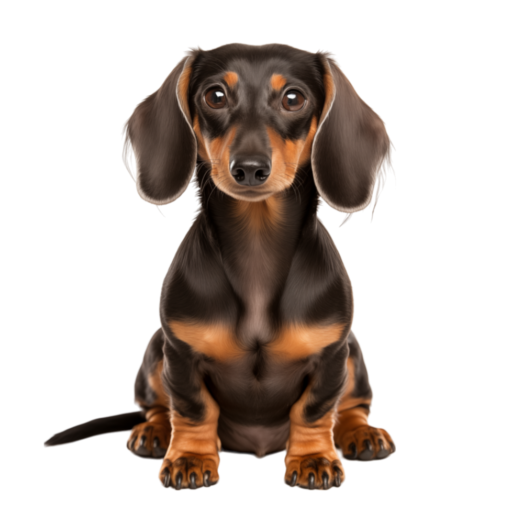
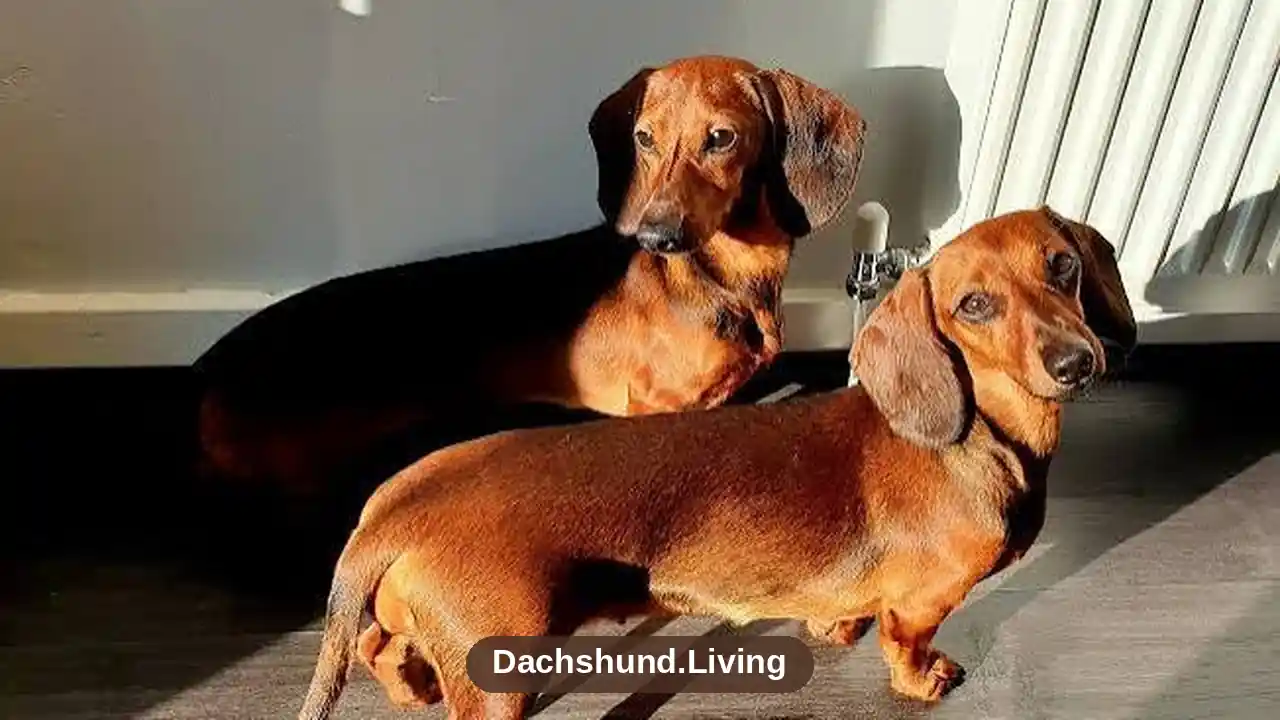

People mix these two up all the time, and I get why. Put a Kaninchen and a miniature side by side and both look like small, long dogs with the same bold stare.
The gap is real once you pick one up. One was bred to be the smallest working dachshund of all, and the other sits a clear step above it in size.
I am Umar, and dachshunds have run my house for years. This is the plain version I wish someone had handed me before I started asking breeders about sizes.
Three Sizes, One Family
The dachshund started in Germany as a hunting dog, not a lap ornament. Hunters needed a low, brave dog that could follow badgers underground and hold its ground in a dark tunnel.
That original dog became the standard, usually 16 to 32 pounds. It is the biggest of the family and still the closest to the old badger dog.
Breeders then bred the dog down in stages for smaller game. Smaller tunnels needed smaller dogs, and that simple job change gave us the miniature and then the Kaninchen.
The Tape Measure Decides
Here is the bit that surprises most buyers. Under the FCI system, size is judged by chest circumference, not by height and not mainly by weight.
The chest is the widest part of the dog, so it decided whether the dog could fit down a burrow. The FCI dachshund standard still measures that way, and it only counts once the dog is at least 15 months old.
The Miniature Numbers
A miniature has a chest of 30 to 35 cm, split a little by sex in the full standard. In everyday terms that is up to about 35 cm around, or just under 14 inches.
Most family miniatures weigh around 9 to 12 pounds as lean adults, though you will meet heavier pets. Weight alone can mislead you, which is why our dachshund size guide looks at weight, chest and build together.
The Kaninchen Numbers
Kaninchen means rabbit in German, and the name tells you the job. A Kaninchen chest measures up to 30 cm, with females at the lower end of that range.
Most weigh under 8 pounds as adults, often closer to 7. Hold one after holding a miniature and your hands notice the difference at once.
| Variety | FCI chest, at 15 months | Typical adult weight | Bred to hunt |
|---|---|---|---|
| Standard | Over 35 cm | 16 to 32 pounds | Badgers |
| Miniature | 30 to 35 cm | About 9 to 12 pounds | Foxes and hares, then rabbits |
| Kaninchen | Up to 30 cm | Under 8 pounds | Rabbits in tight burrows |
A few centimetres sounds like nothing on paper. On a dog this small, 5 cm around the chest is a different frame, different bone and a different dog to carry.
Why the Sizes Exist
None of this was done for cuteness. Each step down in size solved a problem for the hunter standing at the mouth of a burrow.
The standard could tackle a badger, which is a strong and angry animal. The miniature could work smaller holes for foxes and hares without getting stuck halfway in.
The Kaninchen went one step further for rabbit warrens. Some of those tunnels are so tight that even a small miniature cannot turn inside them.
German breeders kept the three sizes apart for decades, in all three coats. That is how we ended up with nine neat combinations of size and coat from one breed.
Who Recognises What
This is where most of the confusion starts. Whether Kaninchen even exists on paper depends on the country you live in.
The FCI recognises three sizes, and the UK lists the smallest as the rabbit dachshund. Cross the Atlantic and the picture changes.
The American Kennel Club dachshund page lists only two sizes, standard and miniature. A dog of Kaninchen size in the United States is registered and shown as a miniature.
So the same dog can change labels at a border. A European rabbit dachshund does not grow on the flight, it just lands in a system with one less box to tick.
That also explains the adverts you see online. American sellers may use words like toy or teacup, but those are sales labels, not official sizes in any major standard.
Same Dog Underneath
Temperament
Size changes the package, not the personality inside it. Expect the same brave, curious and stubborn dog in both, with a nose that makes its own plans.
Both bond hard to their people and can be cool with strangers at first. If you want to know what is going on in that busy head, read our piece on how smart dachshunds are.
People ask me if Kaninchens are calmer because they are smaller. In my experience, no, and I have not seen a breeder I trust claim it either.
The bark tells the same story. Both sizes have a big, serious bark for their body, and both will use it to announce a parcel, a cat or a leaf with ambition.
Coat and Colour
Both sizes come in smooth, longhaired and wirehaired coats. Grooming depends on the coat you pick, not on whether the dog is a miniature or a Kaninchen.
Our guide to the types of dachshunds walks through those coats and colours in full. Smooths need the least work, longhairs need regular brushing, and wirehairs need stripping now and then.
Colour can push the price up in either size, sometimes a lot. That is a big part of why English cream dachshunds cost more, and colour alone is never a reason to skip health questions.
Health and Daily Care
Backs and Bones
That long back carries the same risk at every size. Intervertebral disc disease, where a disc in the spine bulges or bursts, is the health worry every dachshund owner should know by name.
I am not a vet, so take worrying signs to yours fast, especially yelping, a hunched back or wobbly back legs. What I can say as an owner is that keeping either dog lean is the best back protection you control.
The Kaninchen frame is finer, so rough play and big jumps worry me more. Use ramps by the sofa, lift with both hands under the chest and rear, and do not let small children carry one.
Walks and Play
Both are busy little dogs who need a real walk, not just a trip to the garden. Two short walks, some sniffing time and a game at home suit most adults.
The Kaninchen tires sooner and feels the cold sooner. Short legs cover less ground per step, and a tiny body loses heat fast on a wet winter pavement.
Keep either size on a lead in open places unless recall is solid. A rabbit scent can switch off even a well trained dachshund in half a second.
Training
Training is the same project in both sizes, and it takes patience. Short sessions, good treats and a steady routine work far better than telling a dachshund off.
House training is often the slow part, and tiny bladders do not help. Take a puppy out often, praise the wins outside, and expect rain to test both of you.
Start meeting people, dogs and new sounds early. A well socialised small dog is relaxed and easy to live with, while a sheltered one can turn sharp or timid.
Which One Fits Your Home
Pick the Kaninchen If
- You want the smallest dachshund there is and your home is calm
- Adults, or older gentle children, will do most of the handling
- You can watch tiny legs around stairs, furniture and bigger pets
- You live in a country where breeders record chest size and parentage well
The portability is hard to beat, and tiny homes suit them well. Just be honest about fragility, because that part of daily life never goes away.
Pick the Miniature If
- You want a very small dog with a slightly sturdier frame
- Your family has older children or calm small pets at home
- You want an easier search, with more breeders to choose from
- You live in the United States, where miniature is the official small size
Most buyers I talk to land here, and for good reason. You still get a dog that fits in a small flat and travels easily, with a bit more dog to hold.
Buying With Your Eyes Open
A puppy photo cannot tell you the adult size. Ask to see both parents, ask their weights, and ask if their chest size was measured as adults.
A good breeder will answer without getting defensive. They will also talk about back health, eye tests and what they feed, not just colour and price.
Be careful with anyone selling a Kaninchen at a huge premium in a country that does not recognise the size. Small is not a magic word, and it should never replace papers, tests and a visit in person.
My rule is simple. Buy the breeder first, then the size, then the colour, in that order and not the other way round.
Frequently Asked Questions
Is a Kaninchen smaller than a miniature?
Yes, it is the smallest of the three dachshund sizes. Its chest measures up to 30 cm and most adults weigh under 8 pounds, while miniatures measure 30 to 35 cm around the chest.
How does the FCI measure size?
By chest circumference, taken from the highest point of the withers to the lowest point of the chest. The measurement only counts once the dog is at least 15 months old and fully grown.
Does the AKC recognise Kaninchens?
No, the AKC lists only standard and miniature dachshunds. A dog of Kaninchen size in the United States counts as a miniature for registration and showing.
Do the two sizes act differently?
Not in any way you can count on. Both are brave, loyal, clever and stubborn in the classic dachshund mix, and the dog in front of you matters more than its size label.
Which size suits an apartment?
Both can, as long as they get daily walks, play and company. Choose the Kaninchen for a calm adult home, and the miniature if you want a slightly sturdier small dog.


[…] Embracing adoption means not only gaining a loving family member but also making a profound difference in a deserving dog’s life. Start your search today and prepare to welcome a wonderful […]
[…] coats (smooth, longhaired, wirehaired). Each variety has its own look and grooming needs. Compare kaninchen versus miniature Dachshunds for the smaller […]
[…] you are torn, look at the parents and ask hard questions about adult weights. My guide to kaninchen and miniature size classes also helps if you are comparing European size […]