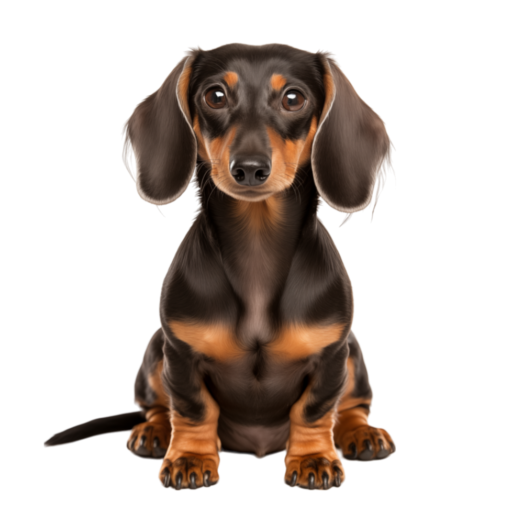

Have you ever heard someone talk about their “sausage dog” and wondered if they were referring to a specific breed, or perhaps just using a quirky nickname? The confusion is common, but the answer is quite straightforward. Yes, a sausage dog is indeed just another name for a Dachshund, a beloved breed known for its distinctive long body and short legs.
This affectionate moniker perfectly captures the dog’s unique silhouette, making it instantly recognizable even to those unfamiliar with its official breed name.
For generations, this charming canine has delighted owners with its spirited personality and iconic appearance. From its German origins as a formidable badger hunter to its current status as a cherished family pet, the Dachshund has collected numerous nicknames along the way. Understanding this connection clarifies a common point of curiosity and celebrates the rich history behind one of the world’s most endearing dog breeds.
The Dachshund: A Breed with Many Monikers
The Dachshund, pronounced “DAKS-hund,” hails from Germany, where its name literally translates to “badger dog” (Dachs meaning badger, and Hund meaning dog). This powerful name reflects its original purpose: to bravely tunnel into badger dens and flush out the formidable inhabitants. Its unique physique was specifically bred for this challenging task.
Origins and Purpose
Developed centuries ago, Dachshunds were meticulously bred for their elongated bodies and short, strong legs, which allowed them to navigate tight underground tunnels. Their bravery and tenacity in hunting badgers, and even foxes, quickly made them invaluable to German hunters. This working heritage instilled in them a determined and intelligent nature that persists today.
Official Breed Standards
Recognized by major kennel clubs worldwide, the Dachshund breed adheres to specific standards. The American Kennel Club (AKC) classifies them in the Hound Group, acknowledging their hunting lineage. They come in three sizes – standard, miniature, and kaninchen (rabbit) – and three coat types: smooth, longhaired, and wirehaired, each with its own charm. Further details on their official recognition can be found on the American Kennel Club website.
Is a Sausage Dog Just Another Name for Dachshund? Unpacking the Nickname
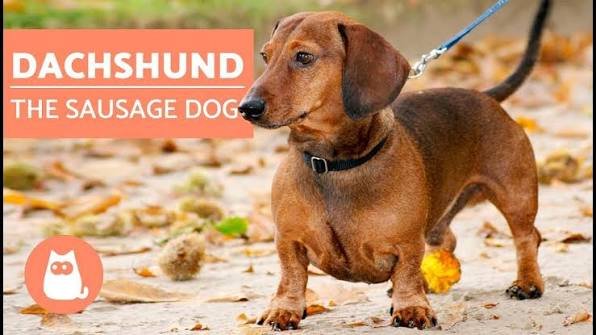
Absolutely, “sausage dog” is one of the most popular and widely recognized informal names for the Dachshund. This endearing nickname is not a separate breed but rather a descriptive term that has been adopted globally. It highlights the breed’s most striking physical characteristic in a playful and memorable way.
Why “Sausage Dog”?
The reason behind the “sausage dog” nickname is purely visual. With their long, cylindrical bodies and short legs, Dachshunds strongly resemble a hot dog or sausage. This comparison is so apt that it quickly became a universal term of endearment. The nickname gained significant traction, especially in English-speaking countries, and is often the first identifier many people associate with the breed.
Other Affectionate Aliases
Beyond “sausage dog,” Dachshunds have accumulated a delightful array of other nicknames. “Wiener dog” is another very common and popular term, particularly in America, again drawing a parallel to the shape of a hot dog. In their native Germany, they are sometimes called “Teckel” or “Dackel.” These various names all point to the same beloved breed, showcasing the deep affection people have for these dogs.
Beyond the Name: Understanding Dachshund Characteristics
While their unique shape gives them their famous nicknames, there’s much more to a Dachshund than just its appearance. These dogs possess a fascinating combination of physical traits and personality quirks that make them truly special companions. Their distinctive features are not just for show; they are deeply rooted in the breed’s history and purpose.
Distinctive Physical Traits
Dachshunds are characterized by their long, muscular bodies, short, stout legs, and deep chests. Their long back, while iconic, also makes them prone to certain health issues, which is important for owners to understand. Their heads are elongated with expressive eyes and long, floppy ears. As mentioned, they come in various sizes and coat types, each requiring slightly different grooming.
Temperament and Personality
Despite their small stature, Dachshunds have big personalities. They are known for being brave, intelligent, and incredibly loyal to their families. However, their hunting instincts mean they can also be stubborn, independent, and prone to barking. They possess a playful spirit and love to cuddle, making them wonderful companions for those who appreciate their unique temperament.
Health Considerations Unique to the Breed
Due to their elongated spines, Dachshunds are particularly susceptible to Intervertebral Disc Disease (IVDD). This condition can cause significant pain and even paralysis. Owners must take precautions, such as preventing jumping from high places and managing their dog’s weight. Regular veterinary check-ups and a good diet are crucial for their overall well-being. For more information on common health issues, consulting resources like the Cornell University College of Veterinary Medicine is highly recommended.
Choosing a Dachshund: What Potential Owners Should Know
Bringing a Dachshund into your home is a rewarding experience, but it requires careful consideration and preparation. Their specific needs, both physically and behaviorally, mean they thrive best with informed and dedicated owners. Understanding these aspects before adoption ensures a harmonious life together.
Responsible Breeding Practices
When seeking a Dachshund, it is paramount to choose a responsible breeder. A good breeder prioritizes the health and temperament of their dogs, conducting genetic screenings to minimize the risk of inherited conditions like IVDD. They will be transparent about their practices and eager to answer all your questions, ensuring puppies are well-socialized from an early age. Avoiding puppy mills and backyard breeders is crucial for the dog’s long-term health and well-being.
Training and Socialization Tips
Dachshunds are intelligent but can be strong-willed, making consistent training essential. Early socialization helps them become well-adjusted adults, comfortable with various people, places, and other animals. Positive reinforcement methods work best, as they respond well to rewards and praise. Patience and consistency are key to navigating their sometimes stubborn nature.
Living with a Doxie
Dachshunds thrive in homes where they receive plenty of attention and mental stimulation. While they don’t require extensive exercise, daily walks and playtime are important to keep them healthy and happy. Due to their back sensitivity, ramps for furniture are often recommended. A balanced diet and regular veterinary care, including preventative measures for IVDD, are fundamental to their longevity. For comprehensive care guides, reputable sources like the ASPCA offer valuable insights.
Are “sausage dogs” and “wiener dogs” the same as Dachshunds?
Yes, “sausage dog” and “wiener dog” are popular and affectionate nicknames for the Dachshund breed. They refer to the same distinct dog, known for its long body and short legs, resembling a sausage or hot dog.
Where did the name “Dachshund” come from?
The name “Dachshund” originates from Germany. It translates to “badger dog,” derived from “Dachs” (badger) and “Hund” (dog), reflecting the breed’s original purpose of hunting badgers.
Are there different types of Dachshunds?
Yes, Dachshunds come in three sizes: standard, miniature, and kaninchen (rabbit). They also have three distinct coat types: smooth (short-haired), longhaired, and wirehaired, each with its own unique grooming needs and appearance.
Do Dachshunds have specific health concerns?
Due to their long backs, Dachshunds are prone to spinal problems, most notably Intervertebral Disc Disease (IVDD). Other potential health issues include certain eye conditions and patellar luxation. Responsible breeding and careful management, such as preventing jumping and maintaining a healthy weight, are crucial for their well-being.
Are Dachshunds good family pets?
Dachshunds can be excellent family pets, known for their loyalty, affection, and playful nature. However, their strong-willed and sometimes stubborn personalities mean they thrive best with consistent training, early socialization, and owners who understand their unique needs and hunting instincts.
The Enduring Charm of the Dachshund, Whatever You Call Them
Ultimately, the question “Is a sausage dog just another name for Dachshund?” is met with a resounding yes. These charming canines, officially known as Dachshunds, have earned a variety of nicknames, with “sausage dog” and “wiener dog” being the most popular due to their unmistakable long, low-slung physiques. These affectionate terms are a testament to the breed’s iconic appearance and the deep connection they forge with their human companions.
Whether you call them a Dachshund, a sausage dog, or a Doxie, one thing remains clear: these spirited dogs possess an undeniable charisma. Their rich history, distinctive looks, and lively personalities make them a truly unique and cherished member of the canine world. Understanding these terms not only clarifies a common misconception but also celebrates the endearing nature of this beloved German breed.