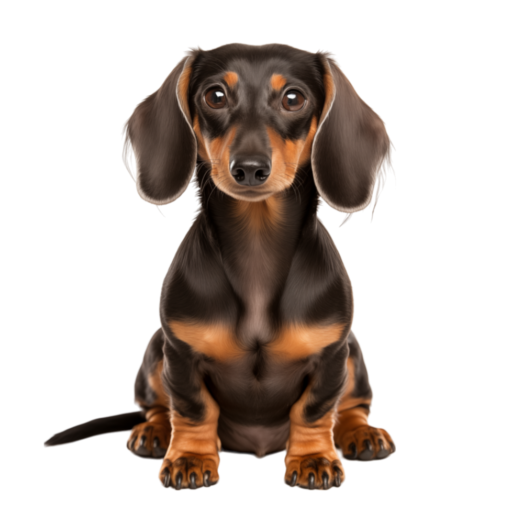
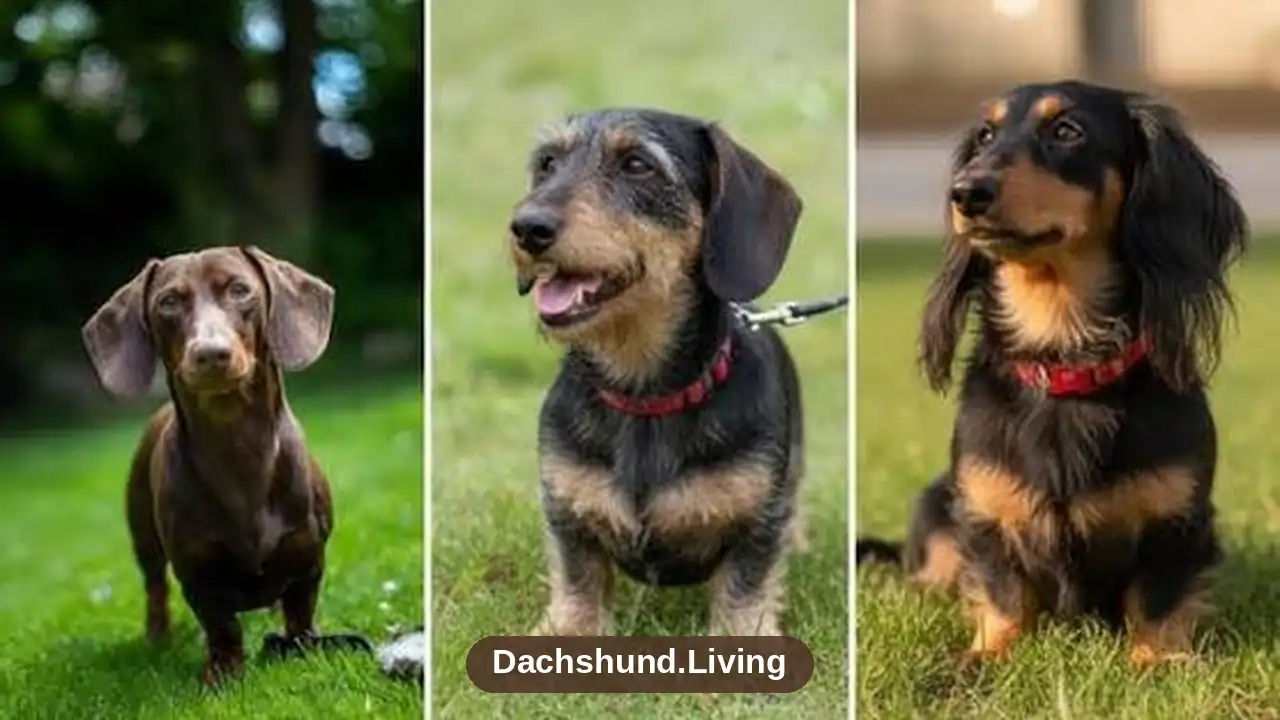

Three coats, one breed, and underneath all of them the same stubborn, funny, tunnel obsessed little dog. I have lived with dachshunds long enough to know people rarely pick the wrong dog here. They pick the wrong coat for their routine.
That is really what this page is for. Not a deep lesson on each coat, because we have full guides for that below, but a straight comparison to help you decide before a puppy or rescue dog comes home.
Be honest about two things: how much grooming time you will give every single week, and how much loose hair you can live with on your clothes and sofa. The grooming time you can honestly keep up with matters more than the look you fell for in photos.
The three coats side by side
Start with this table, then read the short notes under it. Most people find their answer in the shedding and grooming rows alone.
| Trait | Smooth | Longhaired | Wirehaired |
|---|---|---|---|
| Shedding | Moderate all year, heavier in spring and fall. Short stiff hairs stick to fabric and are hard to spot until you sit down. | Moderate. Longer hairs are easier to see and pick up, and regular brushing catches a lot before it lands. | Lightest of the three when stripped on schedule. Dead hair comes out in the stripping session instead of on your floor. |
| Grooming time and effort | Lowest. A brush once or twice a week, a bath when dirty, about 10 minutes of work in a normal week. | Highest at home. Brushing 3 to 4 times a week, daily when shedding peaks, plus careful work behind the ears and under the legs. | Medium. Brushing 2 to 3 times a week, plus hand stripping every 8 to 12 weeks, at home or with a groomer. |
| Coat feel | Short, dense and glossy, close to the body. Feels smooth and warm, almost like velvet on the chest. | Soft and slightly wavy, with feathering on the ears, chest, legs and tail. The coat moves when the dog trots. | Coarse and bristly over a soft undercoat, with a beard, mustache and bushy eyebrows. Built to shrug off brush and rain. |
| Temperament notes | Often described as the boldest of the three, lively and vocal, with a strong hunting drive. Individual dogs vary a lot. | Often described as the calmest and most cuddly, possibly from old spaniel crosses. Still stubborn, still a hunter. | Often the most spirited and clownish, with a terrier spark. Busy, clever and quick to invent its own games. |
| Best for | People who want the classic look and the shortest grooming list, and who do not mind short hairs on dark clothes. | People who enjoy brushing as quiet time with their dog and want the elegant look enough to maintain it. | People who want the least shedding at home and like a rugged look, and who accept stripping as a fixed cost. |
One caution on the temperament row. Coat does not raise a puppy, you do, and training, socialisation and the individual dog count for far more than fur. The American Kennel Club dachshund breed page describes the shared character well: clever, lively, courageous and devoted, in every coat.
Smooth: the easy coat
The smooth is the original dachshund and still the picture most people carry in their heads. Short glossy hair, clean lines, nothing trailing in mud or picking up burrs on a walk.
The one thing only a smooth owner can tell you is about the shedding. People assume short hair means little hair, and it does not work that way. Those short, stiff hairs weave into upholstery and knitwear and stay there, so a lint roller by the door becomes part of life.
Smooths also feel the cold more than the other two coats. A jumper for winter walks is not dressing up, it is practical, especially for an older dog.
For brushing tools, bathing, nails, ears and the full weekly routine, read our dedicated short-haired dachshund grooming guide. It covers the smooth coat in the depth this comparison skips.
Longhaired: the pretty coat with a schedule
The longhaired is the coat that stops people in the park. Soft, flowing feathering on the ears, chest and tail gives the dog a gentle, almost spaniel look, and many owners swear the temperament leans softer too.
The one thing only a longhaired owner can tell you is where mats hide. Behind the ears and in the armpits, fine hair tangles into tight little knots within days, and once a mat tightens it usually has to be worked out slowly or cut out.
Wet weather is the other reality. Long feathering collects mud, leaves and burrs, and a dog who loves digging will bring half the garden in on his legs. A quick rinse and brush after muddy walks saves a bigger job later.
If that routine sounds like pleasure rather than chore, this may be your coat. Our full long-haired dachshund guide covers appearance, health, feeding, training and daily life with this variety in detail.
Wirehaired: the rugged coat with one rule
The wirehaired looks like a small, bearded adventurer, and in my experience that is exactly the personality you get. This coat was made for pushing through thorny cover, so it is harsh, dense and weather resistant.
The one thing only a wirehaired owner can tell you is that the coat depends on one decision: hand stripping. Dead outer hairs are pulled out a few times a year so the harsh texture grows back. Clip the coat instead and it turns soft, pale and far less weatherproof over time.
Stripping is not painful when it is done at the right stage, and many owners learn it at home. Others book a groomer who knows wire coats, which is a real cost to add to your budget from the start.
The reward is the lightest shedding of the three and a coat that dries fast and rarely smells. For stripping technique, exercise, health and training, read our complete wire-haired dachshund care guide.
Which coat fits your life
The apartment dweller
Any coat can live happily in an apartment, because size and exercise needs are the same. The wirehaired has a small edge if loose hair in a small space bothers you, while the smooth has an edge if you want grooming done in minutes between work and walks.
The low maintenance owner
Pick the smooth, and pick it without guilt. A weekly brush, a bath when dirty, and the usual nails and ears is the whole coat programme. That saved time can go on walks and training, which your dog values far more than perfect feathering.
The allergy aware home
No dachshund coat is hypoallergenic, whatever an advert claims. Allergies react mainly to dander, not just loose hair, so even the light shedding wirehaired can still trigger symptoms.
If allergies are in your home, spend real time with adult dachshunds of the coat you like before committing, and talk to your doctor. VCA Hospitals dachshund overview is a useful plain read on the breed before you decide.
The active outdoors type
The wirehaired was built for rough ground and bad weather, and its coat still shows it. It dries fast, sheds dirt well and protects the skin in brush. Longhaired dogs manage fine outdoors too, they just come home carrying more of the outdoors with them.
Whichever coat you choose, protect the long back on every outing. Use a harness, keep the dog lean, and skip the big jumps, because back care matters more than coat care in the long run.
Frequently Asked Questions
Which dachshund coat sheds the least?
The wirehaired, as long as it is hand stripped on schedule. Stripping removes dead hair in one session instead of letting it fall around the house. Smooth and longhaired coats both shed moderately all year.
Which coat is easiest for a first time owner?
The smooth, for most people. Its care is a weekly brush and occasional bath, so a new owner can focus on house training, socialisation and back care instead of coat work.
Does coat type change a dachshund personality?
Only as a tendency, never as a rule. Owners often call longhaired dogs calmer and wirehaired dogs livelier, but upbringing, training and the individual puppy shape character far more than the coat does.
Can puppies in one litter have different coats?
Yes. Long hair is recessive, so two smooth parents who both carry the gene can produce longhaired puppies. A good breeder can explain what coats a planned litter may produce.
Is any dachshund coat hypoallergenic?
No. All three coats produce dander, and dander is the main trigger for most dog allergies. The wirehaired leaves the least loose hair around, but that is not the same as allergy safe.

[…] teeth, and the diet that ties it all together. Smooth is one of three Dachshund coat types; our Dachshund coat types guide compares all […]
[…] The outer coat shields against weather and brush while the undercoat insulates. See how all three dachshund coat types […]
[…] dogs, with terrier blood in the mix, wore a dense, harsh jacket against thorns and brush. See our guide to dachshund coat types for how each one is cared for […]
[…] dachshund the same. If you are still learning the differences between the coats, my overview of dachshund coat types is a good place to […]
[…] three dachshund coats shed, but they do not shed alike. Our guide to dachshund coat types shows the differences up close, and here is the allergy angle on each […]
[…] pale skin when you groom, whatever of the three dachshund coat types your dog wears. New redness, crusting, or a spot that changes shape belongs on your vet list, not […]
[…] guide to dachshund coat types helps you read the dachshund half of that lottery. Colors follow both parents too, so red, orange, […]
[…] dog that skirt lives inches above mud and puddle edges. I compare all three coats in my guide to dachshund coat types, which helps if you are still […]
[…] of the personality people report all trace back to it. If you are comparing the three coats, my guide to dachshund coat types sets them side by […]
[…] That is why blanket statements about dachshund shedding mislead people so often. My overview of dachshund coat types shows how the three coats compare side by […]