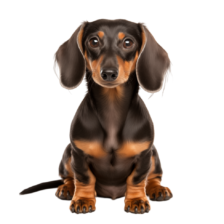
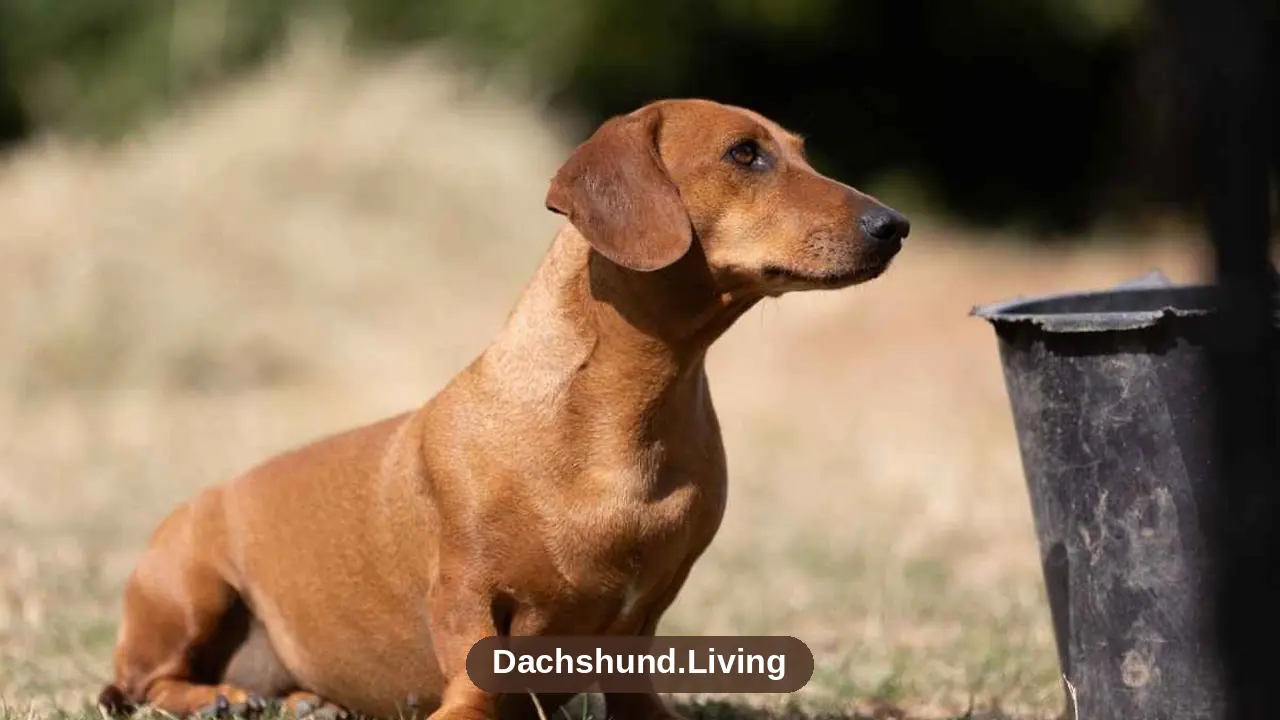

The first time I really understood my dachshund, he had moved a chair. Not far, just a few inches across the kitchen tiles, nudged there nose first over the course of an afternoon. It put him at exactly the right height to reach the counter edge where a slice of toast was cooling.
He had never been taught any of that. He had watched, waited, and worked out the problem on his own, in stages, while I thought he was asleep. That is dachshund intelligence in one small story.
People ask me how smart these dogs are, usually after theirs has ignored a command in public. My honest answer is that they are clever in ways a simple ranking cannot capture, and stubborn in ways that ranking mistakes for being slow.
What That Famous Ranking Actually Measures
The number most people quote comes from Dr. Stanley Coren and his book The Intelligence of Dogs. In Coren’s working and obedience rankings, the dachshund sits 92nd out of 138 breeds, which puts the breed in his fair category for learning new commands.
That sounds damning until you look at what was actually tested. Coren’s list was built largely on how quickly dogs learned commands from handlers and how reliably they obeyed them, often based on the views of obedience trial judges.
It is a real measure, but it is only one measure. It says almost nothing about problem solving, memory, scent work, or the ability to make a good decision alone. Judge a dachshund only on obedience and you miss most of the dog.
Coren himself split dog intelligence into three kinds. Instinctive intelligence is what a breed was born to do, adaptive intelligence is learning from experience, and working intelligence is learning from people. Dachshunds score modestly on the third and shine on the first two.
A Hunter Who Worked Alone Underground
To understand that brain, start with the job. For centuries in Germany, dachshunds were sent down dark burrows after badgers, animals that are heavier than the dog and perfectly capable of fighting back. The handler stayed above ground.
Down there, no one could give instructions. The dog had to judge distance and danger by scent and sound, decide when to push forward, when to bark, and when to back out. Dogs that made poor calls did not come home.
That history selected for a dog that thinks for itself. The American Kennel Club breed profile describes the dachshund as clever, lively, and courageous to the point of rashness, which sums up that underground worker rather well.
You still see the old wiring at home. The digging in the garden, the tunnelling under blankets until only a nose sticks out, the calm confidence in tight spaces. None of that is random, it is instinct doing what it was built to do.
The Smarts You Actually See at Home
Problem solving, one step at a time
Adaptive intelligence shows up in small, practical ways. Dachshunds learn how a door latch works, which cushion gives the best view of the street, and which family member is the softest touch at dinner time.
Give one a treat hidden under a cup and watch the method. There is sniffing, pawing, a pause to think, then a different approach if the first one failed. That trial and error, remembered for next time, is learning in action.
A sharp memory for routines
These dogs memorise the shape of a day frighteningly fast. Walk shoes and work shoes mean different things, and most owners I know swear their dog can tell them apart. The sound of a particular drawer means treats, and a coat picked up at the wrong hour causes real concern.
That memory cuts both ways. A routine learned in puppyhood, good or bad, tends to stick, which is why the early weeks matter so much. Our dachshund puppy training tips cover how to build the habits you actually want repeated for the next fifteen years.
Reading people like a book
Dachshunds study us closely, learning our moods, our weak spots, and the exact length of stare that makes a sandwich get shared. The meaningful look at the table and the heavy sigh beside the treat jar are not accidents. They are tactics that worked before.
Many owners also notice the softer side of it. A dachshund will often press close on a bad day or carry a toy over when the house feels tense. I cannot prove what the dog intends, but the timing is consistent enough that most of us stop calling it coincidence.
That sensitivity has a flip side. A dog this tuned in to people notices departures and changes in routine quickly, so it helps to read up on dachshund separation anxiety tips before worry turns into chewed door frames.
Stubborn, or Just Doing the Maths?
Every owner knows the moment. You call, the ears flick, the dog looks straight at you, and then it turns back to the smell it was investigating. It heard you, it simply decided the smell was worth more.
I call it selective listening, and it helps to see it honestly. This is not a dog failing to understand. It is a dog running a quick cost and benefit check, a habit that kept its ancestors alive underground.
Repetitive drills make it worse. Ask for the same sit forty times with nothing in it for the dog and a sensible dachshund concludes the game has ended. Honestly, I would too.
House training shows the same pattern. Dachshunds are not slow to learn where to go, they are just less motivated than some breeds to please us about it, and our guide to why dachshunds are hard to potty train explains that gap without blaming the dog.
Working With That Brain
The secret is not firmer handling. It is better bargaining. A dachshund works for pay, and the pay it values most is food, so training goes furthest when a genuinely good treat is on the table.
Pay for training out of the daily food ration where you can, not on top of it. A dachshund’s back pays for every extra pound, so measure the day’s kibble in the morning, set aside a small pot for training, and use tiny soft treats that disappear in one bite. Our overweight dachshund weight loss plan shows how quickly the pounds add up when treats go uncounted.
Keep sessions short and worth it
Five good minutes beat twenty dull ones. End while your dog is still interested, reward the wins generously, and practise in short bursts through the day rather than in one long school session.
Make yourself the most interesting option in the garden. An excited voice, a top tier treat, and real praise for coming back will beat a fascinating smell more often than shouting ever will. Motivation, not force, is what switches a dachshund on.
Feed the nose and the mind
Scent games suit this breed down to the ground. Hide treats around one room and let your dog hunt them out, scatter a handful in the grass, or roll a few inside a knotted towel. Ten minutes of searching tires a dachshund out in a way a plain walk does not.
Puzzle toys earn their shelf space too, but only if the difficulty climbs at the dog’s pace. Start with a puzzle your dog can solve in under a minute, then move to a harder one only once it wins quickly three times in a row. A toy that is too hard on day one teaches quitting, not thinking, and our roundup of the best toys for dachshunds covers the puzzle feeders and snuffle mats that hold up to determined little jaws.
Teaching toy names is another quiet winner. Start with two toys, name one as you play, and reward your dog for bringing the right one. Most dachshunds pick this up faster than their owners expect.
Lick mats earn their place beside puzzle toys. Smear a thin layer of plain yoghurt or mashed banana on the mat, freeze it for an hour, and you have ten quiet minutes of licking that settles a busy brain better than a second walk. Start with a soft smear and build up to frozen layers only once your dog finishes the easy version without giving up.
Snuffle mats work the same idea through the nose. Scatter a handful of kibble into the folds and let your dog hunt it out, which turns one meal into a working session. Our roundup of the best toys for dachshunds covers the mats and feeders that survive determined little jaws.
Outsmarting the Outsmarter
A dachshund that has learned to open a cupboard or raid a bin will not unlearn it because you asked nicely. Management beats training here, so make the win impossible before you try to train it away: bins with locking lids, food kept off counters, low cupboards fitted with child locks, and a baby gate across the kitchen when you cook.
That is not giving up on training. It is removing the reward while you teach a better habit, like settling on a mat while you cook, and it works faster than scolding a dog that already got the sandwich. The trick is to set the house up so the clever choice and the right choice are the same one.
Simple Tests to Try at Home
If you want a glimpse of that adaptive intelligence, try the towel test. Drape a light towel over your dog’s head and watch how it works its way free. Quick, methodical wrigglers are showing you problem solving in real time.
The cup test is just as telling. Let your dog watch you hide a treat under one of three cups, shuffle them gently, and see if it tracks the right one. Keep it playful and keep the rewards coming either way.
Treat these as games, not exams. A tired, bored, or under stimulated dog can look dull on the day and still be perfectly sharp. As VCA Hospitals notes in its dachshund overview, mental enrichment matters as much as physical exercise for this breed, especially as dogs get older.
The Ageing Brain Needs Work Too
Old dachshunds can develop canine cognitive dysfunction, the dog version of dementia, and the early signs are easy to miss. A dog that stares at walls, gets stuck behind furniture, paces at night, or forgets a house rule it knew for years is showing you something worth a vet visit, not just old age.
PetMD reports that 28 percent of dogs aged 11 to 12 show at least one sign of cognitive dysfunction, rising to 68 percent at 15 to 16, so this is common rather than rare. Short daily nose games and a steady routine help, and our senior dachshund care guide covers the rest of the ageing picture, from joints to sleep.
A Clever Dog Needs a Job
An unoccupied dachshund mind does not switch off. It finds work, and the work is rarely convenient: excavated flower beds, redesigned cushions, bins emptied with surgical care. Most mischief in this breed is intelligence with nowhere to go.
So judge these dogs by the standard they were built for. They will never top an obedience leaderboard, and they were never meant to. They were meant to go down a dark hole alone, think clearly, and come back, and on that test they are among the smartest dogs I have ever lived with.
Frequently Asked Questions
Are dachshunds smart compared to other breeds?
They rank 92nd of 138 breeds in Coren’s obedience rankings, which sounds low. But they score far better on problem solving, memory, and independent thinking, which that list does not measure.
Why is my dachshund so stubborn in training?
It usually is not stubbornness. Your dog has learned the command and is deciding if it is worth doing. Short sessions and high value treats change that calculation fast.
Are miniature dachshunds as smart as standards?
Yes. Miniatures and standards share the same hunting heritage and instincts. The size of the package changes, the brain inside it does not.
How can I keep a smart dachshund mentally busy?
Rotate scent hunts, puzzle toys, snuffle mats, and short trick training sessions. Ten to fifteen minutes of nose work a day makes a visible difference to behaviour at home.
Can dachshunds really manipulate their owners?
In the nicest sense, yes. They watch our routines closely, learn which looks and sighs pay off, and use that knowledge with great consistency. It is observation, practised daily.
Are dachshunds smart?
Yes, in the ways that matter most at home. They rank 92nd of 138 breeds in Coren’s obedience rankings, but they shine at problem solving, memory and reading people. Judge them on obedience alone and you miss most of the dog.



[…] Also read about: how-smart-are-dachshunds […]
[…] matter which type you choose, they all have a few things in common. They are all very smart and can be a bit stubborn. They need consistent training with positive rewards to learn the rules. […]
[…] that charming facade lies a tenacious hunter with a remarkable history. Many wonder, “Were Dachshunds bred to hunt badgers?” The definitive answer is a resounding yes. These distinctive dogs were […]
[…] and a runny nose can quickly ruin the joy of bringing a new puppy home. If you are wondering, are Dachshunds safe for allergy sufferers, the short answer is no, they are not considered hypoallergenic dogs. […]
[…] Their elongated bodies and short, powerful legs were perfectly adapted for navigating tunnels. Dachshunds come in three coat types (smooth, longhaired, and wirehaired) and two sizes (standard and […]
[…] Breeders prized a relentless drive to pursue and hold quarry until the hunter arrived. That same tenacity explains the breed’s famously stubborn streak today, and you can see it in how dachshund intelligence and independence show up at home. […]
[…] are famously spirited, ranging from playful and mischievous to brave and loyal, as our look at how smart dachshunds are […]
[…] typical behaviors deeply. Dachshunds are also famously clever problem-solvers; read our guide on how smart Dachshunds really are to see what that means for daily […]
[…] They learn fast but question everything, so “because I said so” rarely works. Read how smart Dachshunds really are to understand what you are working with, and see the AKC’s Dachshund breed overview for the […]
[…] and stubborn, with a strong prey drive that can turn a blowing leaf into a mission. Our guide to how smart dachshunds are shows where that cleverness comes […]
[…] Also Read about: How smart are Dachshund dogs? […]