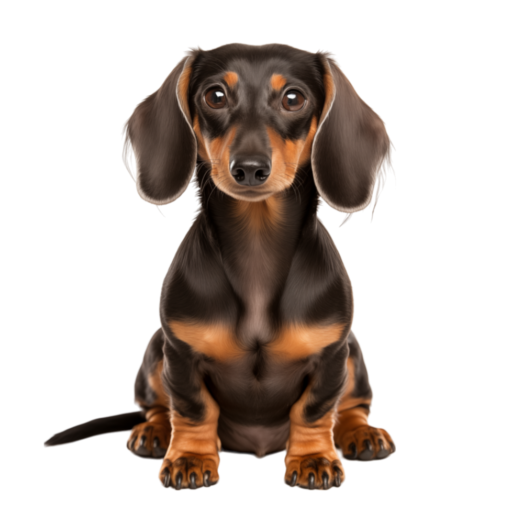

The dog asleep on my couch, burrowed so deep under a blanket that only a nose shows, descends from one of the bravest hunting dogs Europe ever produced. Centuries ago in the forests of Germany, that same nose was working underground, in the dark, against a cornered badger.
I have lived with dachshunds long enough to know that none of their quirks are random. The digging, the tunneling under covers, the bark that sounds far too big for the dog: all of it was bred in, on purpose, over hundreds of years.
This is the full story of how the breed actually began, and why the dog in your home still carries a hunter’s brain in a companion’s body.
Older Roots Than You Might Expect
The breed’s roots reach back to medieval Germany, where hunters worked with large scent hounds called Bracken. Those hounds were fine trackers above ground, but no big dog could follow a badger or fox into its burrow.
So foresters started picking out the smallest, shortest legged puppies from Bracken litters. The little dogs kept the family nose for scent, and that low slung build became the foundation of something new.
Records from the 1500s already mention these dwarf hunting dogs by descriptive names. Some texts call them dachs schleichers, or badger creepers, while others say dachs kriegers, meaning badger warriors.
Breeders later crossed the early hounds with terriers, which added fire, grit, and a love of digging. Some historians also believe French pointers entered the mix, sharpening the dogs’ tracking on the surface. It was slow, patient selection across generations, never a single invention.
Those early dogs ran larger and heavier than the dachshunds we know now. Generations of forest work trimmed them down, because a dog that could not turn inside a tunnel was no use to anyone, no matter how keen its nose.
A Name That Says the Job
In German, Dachs means badger and Hund means dog. Put them together and you get badger dog, a plain name from practical people who wanted a working tool, not a lapdog for aristocrats.
If you have ever wondered how dachshund is actually pronounced, the German roots explain that too. The name was a job description first and a breed name second.
The quarry deserved respect. The European badger is a powerful, stocky animal with strong claws, crushing jaws, and a thick hide, and it defends a sprawling tunnel network called a sett. Sending a small dog in after it was serious work.
Going to Ground
Den hunting worked like this. The dog tracked its quarry to the sett, slipped underground alone, and followed scent and sound through a maze of tunnels until it found the badger in its own chamber.
Down there, no handler could help. The dog had to decide for itself when to press, when to hold, and how to drive the badger toward an exit where the hunters waited. That is why dachshunds still think for themselves today, sometimes to their owners’ frustration.
The dog’s job was to worry and corner the badger, barking constantly, until it bolted or the hunters could dig down to the pair. It took genuine nerve to face an angry badger at close quarters in total darkness.
The loud bark was a locating signal, not noise. Hunters above ground tracked the action by sound alone, so the deepest, most resonant voices were prized and bred for. If you have asked why dachshunds bark so much, the sett is the honest answer.
Every part of the body served the work. The long rib cage protected the heart and lungs from crushing pressure in narrow tunnels, and the loose skin let a grabbed dog twist free instead of tearing.
Big paddle shaped paws worked like shovels, and the sturdy tail had a practical use too. Hunters sometimes used it as a handle to pull a dog backward out of a burrow, which could save its life in a collapsed tunnel.
The work was not all underground, either. Above ground the same dogs trailed scent for hunters, and the standard size was used against foxes and even wild boar, quarry that demanded strength and stamina as well as nerve.
That double life explains the breed’s odd mix of hound and terrier character. The nose and voice are pure hound, built for tracking and signaling. The refusal to quit on a scent, and the joy of a good dig, are terrier through and through.
Why Three Coats Developed
The smooth coated dachshund came first, and its sleek, easy coat suited the milder country where the breed took shape. It was likely the original working jacket.
Long haired dachshunds were developed for colder, wetter ground, probably through crosses with spaniels. The flowing coat sheds rain and snow, and it gave the dog protection in rough winter cover.
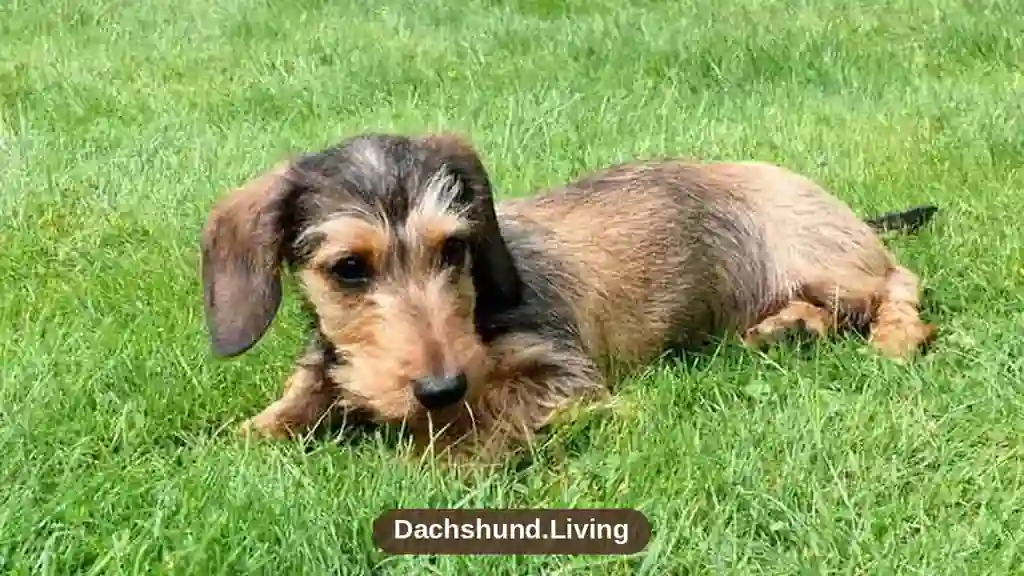
Wire haired dachshunds came from terrier crosses, and their harsh, dense coat shrugs off thorns and brambles. Each coat answered a different terrain, which is why our guide to the types of dachshunds reads like a map of old hunting country.
Two Sizes for Two Jobs
Badgers were the headline quarry, but they were not the only work. Standard dachshunds, roughly 16 to 32 pounds, also took on foxes and even wild boar, and they needed the muscle to match.
Hunters wanted a smaller dog for rabbit warrens and stoat holes too narrow for the standard. A dwarfism trait produced tiny puppies from time to time, and breeders selected for them, sometimes crossing with toy terriers and spaniels to shrink the dog faster.
The result was the miniature, 11 pounds or less, with the same hunter’s heart in a smaller package. Size was never about fashion. It matched the dog to the den it had to enter.
A Standard Written Down
By the 1800s, the forest dog was becoming a defined breed, and German breeders set out to protect the shape and character they had built. Breed clubs formed, a written standard described the ideal dog, and studbook records began tracking pedigrees instead of relying on memory.
That paperwork mattered more than it sounds. It fixed the long body, the strong digging front, and the bold temperament as the breed’s identity, so the dog would not drift into a generic small hound.
The American Kennel Club’s dachshund profile still describes that same courage and build today. The standard the German hunters prized is recognizably the one judges use now.
Royal Fans and the Trip Abroad
In the 1800s the breed left the forest for the drawing room. Queen Victoria fell in love with dachshunds and kept several at court, which made the little German hunter fashionable across Britain and far beyond.
The breed crossed the Atlantic as well, and the American Kennel Club recognized the dachshund in 1885. Breed clubs in Germany, Britain, and America all worked from written standards, so the dog that arrived in show rings still looked and acted like the dog from the sett.
By the late 1800s, charm had done what hunting never could. People who had never stood near a badger sett were keeping dachshunds for loyalty, humor, and that unmistakable outline.
The War Years
Two world wars nearly ended the story. Anti-German feeling ran so high during the First World War that dachshunds were attacked in the streets in some Allied countries, punished for nothing but their origin.
In America, some owners renamed their dogs liberty hounds to keep them safe. It sounds like a small thing, but it tells you how hostile the mood had turned toward anything German.
Dedicated breeders in Allied countries kept their lines alive quietly through the worst years. They preserved pedigrees and refused to let the breed die out, and that stubbornness, very dachshund in its own way, saved the dog.
The Comeback
Once the wars ended, affection bounced back fast, and the shift from hunter to companion accelerated after the Second World War. People remembered the clownish, loyal dog underneath the politics, and the dachshund reclaimed its place in family life.
Most dachshunds today will never see a badger sett, and honestly, that is fine by them. But the instincts did not retire when the job did.
Earthdog trials now let pet dogs practice the old skills in a safe, controlled setting, working through man made tunnels toward a protected quarry scent. Watching a sofa dog switch on underground is the closest most of us will get to seeing the original at work.
Training a dachshund means respecting that history. A dog bred to make its own decisions in the dark does not respond well to harsh corrections, and in my experience patient, reward based work earns far more cooperation than drills do.
Give that brain a job and it settles beautifully. Scent games, puzzle toys, and short tracking games in the park keep the old machinery busy, and a busy dachshund nose is one that stays out of trouble.
The Hunting Brain, Still Intact
Live with one and the history shows up daily. The excavation project in your flower bed is sett work, which is why dachshunds dig so much in gardens and under fences. The burrowing under blankets is denning instinct, and the deep bark at the door is a locating signal doing its old job.
That heritage also asks something of us. The long back that served in tunnels is prone to intervertebral disc disease, so weight control and sensible exercise matter. VCA Hospitals’ dachshund overview covers the breed’s health needs in plain terms.
I would not trade any of it. The stubborn streak, the comedy, the dog asleep nose first under my blanket: it is all one package, written centuries ago in the German forest. The badger dog grew old as a breed and young as a pet, and somehow kept both hearts beating.
Frequently Asked Questions
What does the name dachshund mean?
It is German for badger dog. Dachs means badger and Hund means dog, a plain job description for a specialist hunting breed.
When did the dachshund breed begin?
Its roots sit in medieval Germany, and written records from the 1500s already describe dwarf badger dogs. Serious refinement continued through the 1700s and 1800s.
Why is the dachshund’s bark so loud?
Hunters needed to hear and locate the dog deep underground, so the loudest, deepest voices were selected for. The bark was a working signal, not a flaw.
Did dachshunds really fight badgers alone?
Yes, the dog went to ground alone and cornered the badger in its sett, barking until it bolted or hunters dug down. It was dangerous work that demanded real courage.
Do dachshunds still hunt today?
A few European lines still work, but most are companions. Earthdog trials keep the instinct exercised safely, and everyday digging and chasing show the drive is still there.


[…] and that rugged working heritage shows in its sturdy little body. If you want the backstory, read how the Dachshund breed began. For the shedding question, what matters most is whether your dog is smooth, long-haired, or […]
[…] Below are 150 Dachshund puppy names across seven styles: classic, cute, food-inspired, nature, pop culture, German, and personality-based. Whether you want timeless or quirky, you will find it here. Curious about the breed behind the names? Read how the Dachshund breed began. […]
[…] Studying both parent breeds is the best way to predict your puppy. The Pomeranian brings fluffy charm and confidence, while the Dachshund adds courage and a strong prey drive. For the Dachshund side of the family, read how the breed began. […]
[…] Still, accidental litters happen, and the result is a genuinely unique dog. This guide explains the genetics, what the parents bring, and what life with such a mix would involve. For the Dachshund side, read how the breed began. […]
[…] breed’s story runs deeper than coat color. The history of the dachshund breed shows how centuries of selection shaped the dog behind the […]
[…] nod to the breed’s original job of hunting badgers in their burrows. For the full story, read the true history of the dachshund breed, including how dachshunds hunted […]
[…] badger and Hund for dog. If you want the full story of the breed’s beginnings, our account of how the dachshund breed actually began tells it properly, so I will not retell it […]
[…] Look at the dog with that job in mind and everything lines up. Long body for tunnels, short and powerful legs for shifting earth, a deep chest, wide paws, and a stubborn streak a mile wide. I go into the full story in my piece on what dachshunds were originally bred to do. […]