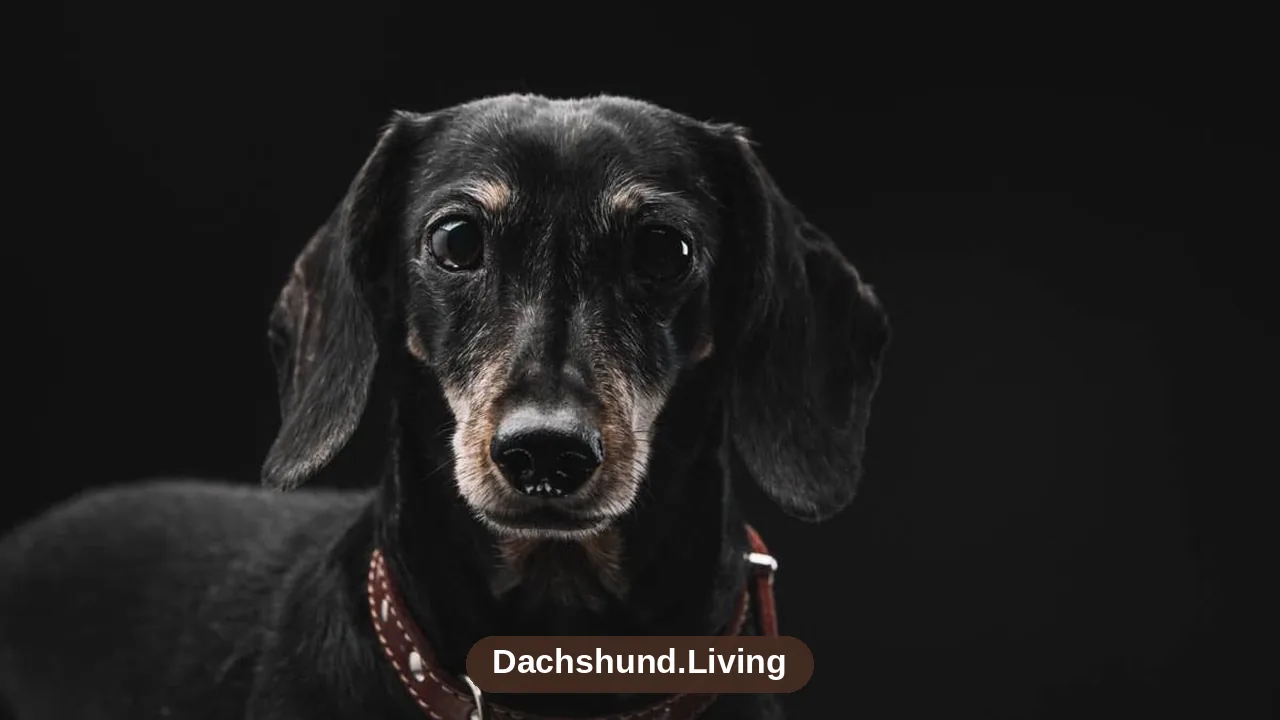

The grey showed up on his muzzle first. I noticed it one morning while he waited by his bowl, patient as always, and it stopped me cold.
The dog who used to bounce at the front door now took the hallway at his own speed. He still wanted the same walks and the same spot beside me, just on slower terms.
I am Umar, and I have shared my home with dachshunds for years, many of them living well into their teens. This is what daily care looks like in my house now, from breakfast to bedtime.
Feeding Him Day to Day
What Goes in the Bowl
Older dogs move less, so they usually need fewer calories than they did at three or four. They still need solid protein to hold on to muscle, so I did not just shrink his old food and call it done.
My vet helped me pick a senior food with fewer calories and added joint support. I switched him over 7 to 10 days, mixing a little more of the new food in each morning and evening.
That slow switch matters. I rushed a food change once and he had an upset stomach for two days.
Portions, Treats and Weight
I measure his food with the same cup every day instead of guessing by eye. Guessing is how his portions quietly crept up one winter.
Treats count toward the day, including the small biscuit he charms out of visitors. On training or game days I take a little out of his dinner so the total stays honest.
I run my hands over his ribs once a week while he dozes. You should feel them easily under a thin layer of fat, and our guide on how much a dachshund should weigh shows that rib check step by step.
Keeping an older dog lean is the kindest daily habit I know. Extra pounds punish stiff joints and load that long spine with every single step.
Routine and Water
He eats at the same times each day, in the same quiet corner, away from foot traffic. That routine settles him, and a meal skipped or left half eaten stands out fast against a steady pattern.
I keep a rough note of what gets eaten and what gets left. One skipped meal is one thing, but food left for two days in a row earns a call to the vet.
Fresh water sits in two spots now, one near his bed and one by his bowl. I wash both bowls daily, because an older dog who drinks less than usual is another small change worth noting.
Helping Him Get Around
Ramps, Rugs and Stairs
Runners on our wooden floors changed his confidence within a week. Wobbly legs and polished boards are a bad mix, and cheap washable mats fixed the slipping for good.
A ramp now sits against the couch, and he uses it without being asked. Jumping down was the habit I most wanted to end, and the ramp gave him a way down that he chose himself.
Stairs are blocked with a gate at the bottom, no debate in this house. Our notes on dachshunds and stairs helped me set that rule, and he gets carried on the main flight instead.
Age does not retire back risk, so I still watch for a hunched back, crying out, or wobbly back legs. Our guide to dachshund IVDD and back problems lists the signs that send us to the vet the same day.
Harness, Bowls and the Car
We walk on a supportive harness now, not a collar alone. It spreads pressure across his chest, and the handle on top lets me steady him on curbs and uneven ground.
When I lift him, one hand supports his chest and the other his hindquarters, keeping his back level. It felt awkward for a week and now it is just how picking him up works here.
A raised bowl eased the strain on his neck at meals, and he finishes more comfortably since the switch. He gets lifted in and out of the car, or uses the small ramp I keep in the boot for longer trips.
Vet Visits Twice a Year
Once my dog was classed as senior, my vet moved him to checkups every six months. The AKC guidance on senior dogs backs that rhythm, and those visits have caught small things early here.
A typical visit covers weight, heart, lungs, eyes, ears, joints and how he walks across the room. The vet feels for lumps, checks his spine and asks about appetite, water, sleep and toilet habits.
Bloodwork and a urine test are the part I used to skip and no longer do. They can flag kidney, liver and thyroid changes long before I would spot anything at home.
Teeth get a proper look at every visit too, because sore gums can quietly put a dog off his food. Our guide to dachshund dental care covers the brushing and lip checks I do between appointments.
The AKC guide to caring for a senior dog gives a handy list of what these checkups should cover.
What I Track Between Visits
I keep short notes on my phone between appointments. Less appetite on Tuesday, slower on the ramp, a new lump near the ribs, that sort of plain detail.
Vets work better with specifics than with a shrug from me. Those notes turned one visit into a clear plan for his joints and diet.
Sudden changes do not wait for the next booked visit. Trouble standing, not eating, crying when touched, or dragging back legs all mean I call that day.
Everyday Comfort
Beds, Warmth and Rest
An old dog spends a huge part of his day asleep, so a thin blanket on a hard floor stopped being good enough here. A firm, supportive bed takes pressure off sore elbows, hips and that long back.
I went through our picks for the best beds for dachshunds and chose a low one he could walk into without climbing. His bed sits in a warm corner of the living room, out of drafts and close to us.
He ignored the pricey bed I put in the quiet hallway. Old dogs want company even while they sleep, so his bed lives where the family lives.
On cold evenings a light blanket over him settles him fast.
Short Walks and a Busy Mind
We stopped doing the long loop a while back. Two or three short walks a day suit him better, and he still gets to sniff every gatepost, which is the part he cares about anyway.
I let him set the pace and read his turns for home as honest information. Some days he trots the whole way, and on stiff days ten good minutes still count.
At home, a snuffle mat keeps him busy for 15 minutes without asking anything of his legs. We also play a slow cup game in the garden, hiding a treat under one of three cups.
Routine helps more than novelty at this stage. Same walk times, same feeding spot, same evening settle on the couch, and he relaxes because he knows what comes next.
Grooming an Older Dog
Less walking means nails wear down less, so trims come around faster than they used to. Long nails change how a dog stands, and stiff joints do not need that extra strain.
I keep grooming sessions short and on a non-slip mat, with a break if he fidgets. A soft brush and patience do most of the work now.
Once a week I run my hands over him slowly while he dozes. I feel for new lumps, check his ears, lift his lip to glance at his teeth, and note anything that has changed.
Thinking Ahead, Gently
This part is hard to write, but planning early has made it easier, not harder. Talking to my vet while my dog was still comfortable meant the talk was calm and honest.
I keep a simple quality of life note each week. Is he eating with interest, moving to his favourite spots, enjoying company, and having more good days than bad ones?
Those notes will matter more than my memory on a hard day. When the good days thin out, I will not have to decide everything in panic.
We have also talked as a family about practical things ahead of time, like costs and what a peaceful goodbye could look like. The outline exists, and that alone brings some peace.
A Vet Walks Through the Changes
This video from a veterinarian covers the physical and behaviour changes that come with age. I found the section on when a change needs a clinic visit especially clear.
Frequently Asked Questions
How often should I feed a senior dachshund?
Two measured meals a day at set times works well for most seniors. Keep treats inside the daily total, and ask your vet to set the amount if weight starts creeping up.
How do I make slippery floors safer?
Lay washable runners or mats along the routes your dog uses most, like hallways and the path to the door. Keep nails trimmed too, because long nails make slipping worse.
How often should a senior see the vet?
Every six months is the usual pattern for a senior dachshund. Your vet may ask for visits more often if your dog has back trouble or another ongoing issue.
What bed suits an older dachshund?
A low, firm and supportive bed he can walk into without climbing is the safest pick. Place it somewhere warm, free of drafts, and close to the family.
How much exercise does a senior need?
Two or three short walks a day suit most older dachshunds. Let your dog set the pace, and head home early on days he turns back himself.
Slowing down is normal, suffering is not. That line from my vet stays with me. Grey muzzles, shorter walks and long naps are part of this stage, and with small daily changes at home these can still be good, comfortable days.
A quick note to close. I am an owner sharing what has worked in my home, not a vet, and this article is not veterinary advice. For anything specific to your dog, check with your own vet, who knows his history and can examine him in person.