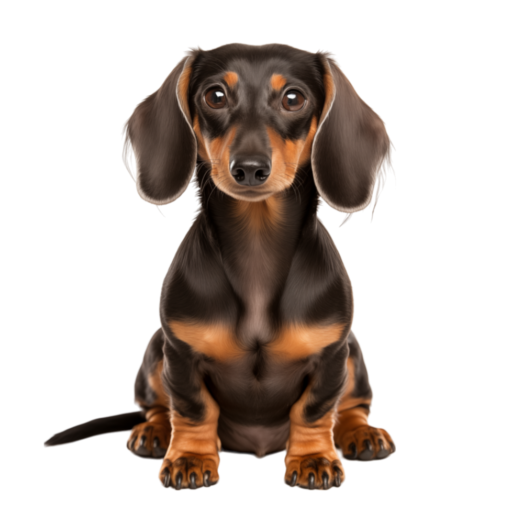


Choosing between a standard Dachshund and a Miniature Dachshund can feel like a tough decision for any future dog owner. The question Dachshund or Mini Dachshund, Which Should You Pick often pops up when people see those adorable long bodies and wagging tails. Both varieties share the same brave spirit and loyal heart, yet they differ in size, energy needs, and health considerations. This guide walks you through each factor so you can match the right dog to your lifestyle.
Understanding the Dachshund Breed
The Dachshund originated in Germany as a hunting dog bred to chase badgers into their burrows. Their long spine and short legs gave them the ability to dig and maneuver in tight spaces. Today the breed comes in two main sizes: standard and miniature. Both types share the same coat varieties – smooth, longhaired, and wirehaired – and the same lively personality. Knowing the breed’s background helps explain why size matters when asking Dachshund or Mini Dachshund, Which Should You Pick.
Size and Weight Differences
A standard Dachshund usually weighs between 16 and 32 pounds and stands about 8 to 9 inches tall at the shoulder. A Miniature Dachshund typically weighs 11 pounds or less and stands around 5 to 6 inches tall. The size gap influences everything from food costs to the amount of space they need indoors. If you live in a small apartment, the mini may fit better, while a home with a yard might accommodate a standard comfortably.
Temperament and Personality
Both versions are known for being curious, bold, and sometimes stubborn. They form strong bonds with their families and can be wary of strangers. Miniatures often display a slightly higher energy level packed into a smaller frame, while standards may appear more laid‑back but still enjoy a good chase. Socialization from puppyhood helps curb any tendency toward excessive barking or possessiveness. When you ponder Dachshund or Mini Dachshund, Which Should You Pick, think about how much playtime you can provide each day.
Exercise Needs
Standard Dachshunds benefit from a moderate walk plus some playtime each day, totaling about 30 to 45 minutes of activity. Miniatures, despite their small stature, still need daily walks and mental games to prevent boredom. Because of their long backs, both types should avoid jumping from high surfaces or stair climbing that could strain the spine. Providing ramps or steps onto furniture helps protect their joints. Matching the exercise level to your own routine is a key part of answering Dachshund or Mini Dachshund, Which Should You Pick.
Health Considerations
The most common health issue in Dachshunds is intervertebral disc disease (IVDD), which affects the spine due to their elongated build. Standards may be slightly more prone to IVDD simply because they carry more weight on the same frame. Miniatures can also develop the condition, especially if they become overweight. Regular vet check‑ups, maintaining a healthy weight, and avoiding excessive jumping are essential for both sizes. For more detail on IVDD, you can review the information from the Cornell University College of Veterinary Medicine.
Other health concerns include dental problems, obesity, and progressive retinal atrophy. Dental care is especially important because their small mouths can trap food and tartar. Brushing their teeth a few times a week and offering dental chews helps keep gums healthy. Ear infections can occur in the longhaired variety, so checking ears weekly is a good habit.
Grooming and Care
Grooming needs vary by coat type rather than size. Smooth coated Dachshunds require only a weekly brush to remove loose hair. Longhaired coats need brushing two to three times per week to prevent mats. Wirehaired coats benefit from occasional stripping or trimming to keep the texture tidy. Bathing once a month or when they get dirty is sufficient for both standards and miniatures. Nail trims every three to four weeks keep their paws comfortable.
Living Situation Suitability
If you reside in a city apartment with limited outdoor space, a Miniature Dachshund may adapt more easily because they need less room to roam. However, both sizes enjoy having a safe, fenced yard where they can sniff and explore. Standards might appreciate a bit more space to stretch their legs, but they will also be happy with regular walks and indoor play. Consider your daily schedule, the presence of stairs, and whether you can provide ramps when thinking about Dachshund or Mini Dachshund, Which Should You Pick.

Cost and Availability
Purchase price for a Dachshund puppy can range from $800 to $2,500 depending on breeder reputation, coat type, and lineage. Miniatures sometimes carry a slightly higher price tag due to their popularity in urban settings. Ongoing costs such as food, veterinary care, grooming, and pet insurance are similar for both sizes, though the standard may eat a bit more. Adoption from shelters or rescue groups often offers a lower‑cost alternative and gives a loving home to a dog in need. The ASPCA provides helpful tips on adopting a Dachshund.
Training and Socialization
Dachshunds are intelligent but can show an independent streak. Positive reinforcement methods using treats and praise work best for both standards and miniatures. Early puppy classes help them learn basic commands and get used to other dogs and people. Because they have a strong prey drive, recall training is essential, especially if you let them off‑leash in a safe area. Consistency and patience yield the best results, regardless of which size you choose.
Making the Final Decision
When you finally ask yourself Dachshund or Mini Dachshund, Which Should You Pick, weigh the factors that matter most to you. If you want a slightly sturdier companion that can handle longer walks and maybe a bit more rough play, a standard might suit you. If you prefer a smaller lap dog that fits easily on a couch and in a carrier, the miniature could be the better fit. Think about your living space, activity level, grooming time, and budget. Meeting a few dogs of each size in person, if possible, gives you a clear sense of which personality clicks with yours.
Conclusion
Both standard and Miniature Dachshunds bring joy, loyalty, and a touch of mischief to any home. Their core traits – courage, affection, and a distinctive silhouette – remain the same across sizes. By evaluating size, exercise needs, health risks, grooming demands, and lifestyle fit, you can confidently answer the question Dachshund or Mini Dachshund, Which Should You Pick. Whould You Pick. Whichever you choose, providing love, proper care, and regular veterinary visits will ensure many happy years together.
Frequently Asked Questions
What is the main size difference between a standard and a Miniature Dachshund?
A standard Dachshund usually weighs between 16 and 32 pounds and stands about 8 to 9 inches tall. A Miniature Dachshund weighs 11 pounds or less and stands around 5 to 6 inches tall. This size gap affects food portions, space needs, and how easily they fit into small living areas.
Are Miniature Dachshunds more prone to health issues than standards?
Both sizes share the same risk for intervertebral disc disease because of their long backs. Standards may carry more weight on the same frame, which can slightly increase strain, while miniatures can develop the condition if they become overweight. Keeping a healthy weight and avoiding jumps helps protect either type.
How much exercise does a Dachshund need each day?
A standard Dachshund benefits from about 30 to 45 minutes of walking and play. Miniatures need a similar amount of activity despite their smaller size. Mental games, short walks, and supervised yard time keep both varieties happy and prevent boredom‑related behaviors.
Which coat type requires the most grooming?
Longhaired Dachshunds need brushing two to three times per week to avoid tangles and mats. Wirehaired coats benefit from occasional stripping or trimming to maintain their texture. Smooth coated dogs only need a weekly brush. Bathing once a month or when dirty works for all coat types.
Can Dachshunds live happily in apartments?
Yes, especially Miniature Dachshunds adapt well to apartment life because they need less space to move around. Standards can also thrive in apartments if they receive daily walks and have access to a nearby park. Providing ramps for furniture and avoiding excessive stairs helps protect their backs in any setting.




[…] Miniature Dachshunds typically enjoy a slightly longer lifespan than their standard counterparts, often reaching 14 to 17 years. The smaller frame places less strain on the spine and joints, reducing the risk of certain orthopedic issues. Still, both varieties benefit from the same core health practices. […]
[…] your Dachshund every 4-6 weeks, or as needed, can help remove loose hair and dirt. Over-bathing can strip natural […]
[…] Pomeranians and Dachshunds are energetic breeds, so expect a lively companion. DoxiePoms enjoy playtime, whether it’s […]