
Are you captivated by the charm of small dogs but torn between the spirited nature of a Yorkshire Terrier and the distinctive silhouette of a Dachshund? You’re not alone. Many dog enthusiasts find themselves drawn to the unique blend found in the Dachshund Yorkie Mix, affectionately known as the Dorkie. This delightful designer breed combines the best, and sometimes the most challenging, traits of its parent breeds, offering a compact companion brimming with personality.
This comprehensive guide will delve deep into everything about the Dachshund Yorkie Mix , helping you understand if this spunky little dog is the perfect addition to your home.
What Exactly is a Dorkie? Unpacking the Dachshund Yorkie Mix
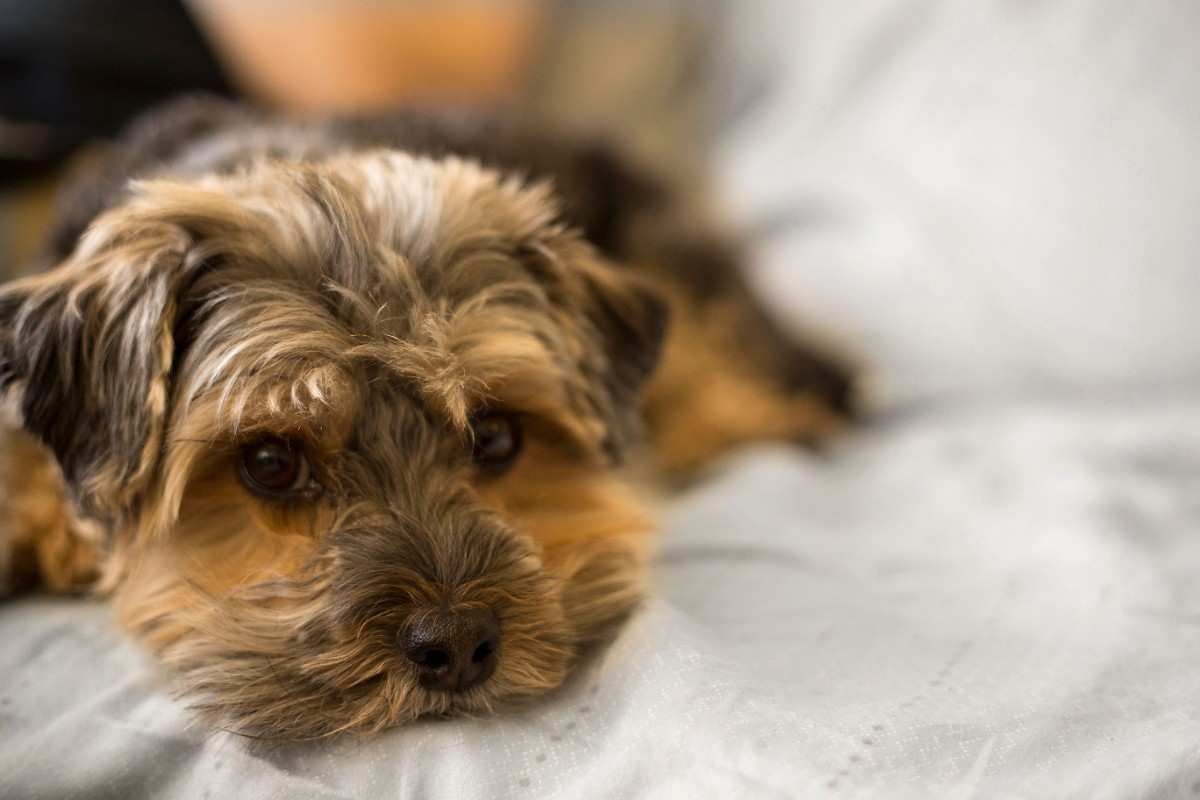
The Dorkie is a hybrid dog, intentionally bred from a purebred Dachshund and a purebred Yorkshire Terrier. This cross aims to combine the distinct physical attributes and temperamental characteristics of both beloved breeds. As with any mixed breed, there is a degree of unpredictability in their appearance and personality, making each Dorkie truly unique.

The Dachshund Parent: A Glimpse into its Legacy
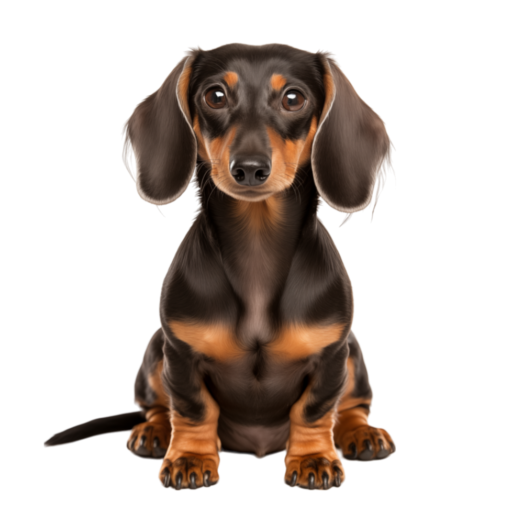
Originating in Germany, the Dachshund, meaning “badger dog,” was originally bred for hunting tunneling animals. Consequently, they possess a tenacious spirit, courage, and a strong prey drive. Dachshunds are known for their long bodies, short legs, and three coat varieties: smooth, long-haired, and wire-haired. They are fiercely loyal and can be quite stubborn, often exhibiting a big dog personality in a small package.
The Yorkshire Terrier Parent: Small Dog, Big Personality
The Yorkshire Terrier, or Yorkie, hails from England, where it was initially used to catch rats in clothing mills. Despite their dainty appearance, Yorkies are known for their feisty, confident, and often bossy demeanor. They possess a beautiful, silky coat and are incredibly intelligent and affectionate with their families. Their bold nature often belies their small stature, making them excellent watchdogs.
Decoding the Dorkie’s Appearance: What to Expect
Predicting the exact look of a Dorkie can be an exciting gamble, as they can inherit traits from either parent or a blend of both. Generally, Dorkies are small dogs, typically weighing between 5 to 12 pounds and standing 6 to 10 inches tall at the shoulder. Their build often leans towards the longer body of a Dachshund with the finer bone structure of a Yorkie.
Coat Types and Colors
A Dorkie’s coat can vary significantly. They might have the short, smooth coat of a smooth Dachshund, the longer, silkier hair of a Yorkie, or a wiry texture from a wire-haired Dachshund. Common coat colors include black, tan, brown, chocolate, cream, and red, often with various markings or patterns. Regular grooming is essential, especially for longer or silkier coats, to prevent matting.
Size and Stature: A Compact Companion
Given their parentage, Dorkies are unequivocally small dogs, perfectly suited for apartment living or homes with limited space. Their compact size makes them easy to travel with and handle, appealing to those seeking a portable companion. However, their small stature doesn’t mean they lack energy or presence.
Facial Features and Expression
Dorkies typically have expressive eyes and ears that can be either floppy like a Dachshund’s or erect and V-shaped like a Yorkie’s. Their muzzle length can also vary, sometimes being a bit longer than a purebred Yorkie’s but often shorter than a Dachshund’s. This combination often results in an endearing, alert, and curious facial expression.
Temperament and Personality Traits of the Dorkie
The Dorkie’s personality is a captivating mix of its parent breeds, making them lively, affectionate, and sometimes a tad stubborn. They are known for being devoted companions who thrive on human interaction and attention. Their intelligence, coupled with their strong will, means they require consistent training and socialization.
Playfulness and Affection
Dorkies generally inherit a playful streak from both parents. They love to engage in games, chase toys, and enjoy interactive play sessions with their families. Furthermore, they are incredibly affectionate and bond deeply with their owners, often seeking lap time and cuddles. This strong attachment can sometimes lead to separation anxiety if not managed properly.
Intelligence and Trainability
Both Dachshunds and Yorkies are intelligent breeds, and the Dorkie often inherits this trait. They are quick learners, capable of picking up commands and tricks with relative ease. However, their intelligence is often paired with an independent and sometimes stubborn nature, which can make training a delightful challenge. Patience and positive reinforcement are key to their success.
Potential for Stubbornness and Barking
Due to their Dachshund lineage, Dorkies can exhibit a stubborn streak, particularly when it comes to house-training or following commands they deem unnecessary. Their Yorkie heritage also contributes to a tendency to be vocal. Dorkies often make excellent watchdogs, alerting their owners to strangers or unusual sounds with their distinctive barks.
Socialization is Key
Early and consistent socialization is crucial for a well-adjusted Dorkie. Introducing them to various people, places, sounds, and other friendly animals from a young age helps them develop into confident and polite adults. Without proper socialization, they may become overly timid or aggressive towards unfamiliar situations.
Essential Dorkie Care: Health, Grooming, and Exercise
Responsible Dorkie ownership involves understanding their specific care requirements, from potential health issues to daily grooming and exercise needs. Providing a balanced diet, regular veterinary check-ups, and a loving environment will ensure your Dorkie lives a long, happy life.
Common Health Concerns to Monitor
Like all breeds, Dorkies can be prone to certain health issues inherited from their parent breeds. From the Dachshund side, intervertebral disc disease (IVDD) is a significant concern due to their long spines. Owners should take precautions to protect their Dorkie’s back, such as discouraging jumping from high places and using ramps. For more information on Dachshund health, consult resources like the American Kennel Club’s Dachshund health page.
From the Yorkshire Terrier side, Dorkies may be predisposed to patellar luxation, dental issues, and Legg-Calve-Perthes disease. Regular dental care is paramount for small breeds. Further details on Yorkshire Terrier health can be found on the AKC Yorkshire Terrier health page. Always choose a reputable breeder who screens their breeding dogs for genetic conditions.
Grooming Needs for Their Unique Coat
Grooming requirements for a Dorkie depend heavily on the coat type they inherit. Those with a longer, silkier coat will require daily brushing to prevent tangles and mats. Dogs with a wire-haired coat may need occasional stripping or professional grooming. Regular nail trims, ear cleaning, and dental care are essential for all Dorkies, regardless of coat type.
Exercise Requirements: Keeping Them Active
Despite their small size, Dorkies are energetic dogs that require daily exercise to stay healthy and happy. Short, brisk walks twice a day, coupled with indoor playtime, are usually sufficient. They enjoy exploring and sniffing, so leash walks in a safe environment are highly beneficial. Mental stimulation through puzzle toys and training sessions is equally important.
Nutritional Guidelines for a Healthy Dorkie
A high-quality diet appropriate for small, active breeds is vital for a Dorkie’s health. The amount of food will depend on their age, weight, activity level, and metabolism. Consult your veterinarian for personalized dietary recommendations. Overfeeding can lead to obesity, which puts extra strain on their delicate spines and joints, exacerbating potential health issues.
Training Your Dachshund Yorkie Mix: Tips for Success
Training a Dorkie requires consistency, patience, and a positive approach. Their intelligence means they can learn quickly, but their independent streak might test your resolve. Establishing yourself as a benevolent leader from the start is crucial.
Early Socialization and Puppy Classes
Enrolling your Dorkie puppy in socialization classes is an excellent way to expose them to other dogs and people in a controlled environment. This helps prevent fear-based aggression or excessive shyness later in life. Early exposure fosters confidence and adaptability, making them more enjoyable companions.
Positive Reinforcement Techniques
Dorkies respond best to positive reinforcement methods, such as praise, treats, and toys. Harsh corrections or punishment can make them fearful or more stubborn. Keep training sessions short, fun, and engaging to hold their attention. Celebrate every small success to build their confidence and reinforce desired behaviors.
Addressing Common Behavioral Challenges
Common Dorkie behavioral challenges include excessive barking, digging, and house-training difficulties. Addressing barking involves understanding the trigger and teaching a “quiet” command. For digging, provide designated digging areas or redirect their energy with appropriate toys. House-training requires strict consistency, frequent potty breaks, and positive reinforcement for success. For more comprehensive dog training advice, consider resources from reputable organizations like the ASPCA.
Is a Dorkie the Right Dog for You? Considerations for Potential Owners
Before bringing a Dorkie into your home, it’s essential to consider if their unique characteristics align with your lifestyle. They are wonderful companions but require a specific level of commitment and understanding.
Lifestyle Compatibility
Dorkies thrive in homes where they receive plenty of attention and companionship. They are not dogs that do well when left alone for long periods, as they can develop separation anxiety. Their small size makes them suitable for apartments, provided they get sufficient exercise. They can be good with older, respectful children, but their delicate nature might not be ideal for very young, boisterous kids.
Commitment to Care
Owning a Dorkie requires a commitment to their health, grooming, and training needs. Prospective owners should be prepared for potential veterinary costs associated with their breed-specific health concerns. Furthermore, the time investment in daily walks, playtime, and consistent training is significant. A Dorkie is a long-term commitment, typically living 12-15 years, offering years of companionship and joy.
Frequently Asked Questions About the Dorkie
How long do Dachshund Yorkie Mixes typically live?
Dachshund Yorkie Mixes, or Dorkies, generally have a lifespan similar to their parent breeds, which is typically between 12 to 15 years. With proper care, a balanced diet, regular exercise, and routine veterinary check-ups, many Dorkies can enjoy a long and healthy life. Their small size often contributes to a longer lifespan compared to larger breeds.
Are Dorkies good with children and other pets?
Dorkies can be good with children and other pets, but early socialization is crucial. They tend to do best with older, respectful children who understand how to interact gently with a small dog. Due to their potential for a strong prey drive from both parents, introductions to smaller pets like hamsters should be managed carefully. They can coexist peacefully with other dogs and cats if introduced properly and raised together.
Do Dachshund Yorkie Mixes shed a lot?
The amount a Dorkie sheds depends on which parent’s coat type they primarily inherit. If they have a coat more like a Yorkshire Terrier, they will shed minimally and are often considered more hypoallergenic. If they inherit the smoother or wire-haired coat of a Dachshund, they will shed a moderate amount. Regular brushing, regardless of coat type, helps manage shedding and keeps their coat healthy.
How much exercise does a Dorkie need each day?
Dorkies are energetic little dogs that require a moderate amount of daily exercise. Typically, two short to moderate walks per day (around 15-20 minutes each) combined with some indoor playtime or mental stimulation are sufficient. They enjoy exploring and sniffing, so varied routes for walks can keep them engaged. Avoid over-exercising, especially in extreme weather, and be mindful of their delicate spines.
Conclusion: Is the Dorkie Your Perfect Companion?
The Dachshund Yorkie Mix is a charming and spirited companion, combining the tenacity of the Dachshund with the feisty elegance of the Yorkshire Terrier. They offer an abundance of affection, intelligence, and playful energy, making them truly delightful pets. However, prospective owners must be prepared for their specific care needs, including consistent training, regular grooming, and attention to potential health concerns like back issues.
Ultimately, a Dorkie thrives in a loving home where they receive ample attention, early socialization, and consistent guidance. If you’re seeking a small dog with a big personality, a loyal heart, and are ready for the commitment involved, the Dorkie might just be the ideal furry friend to enrich your life. Their unique blend of traits promises a lifetime of joy and unforgettable moments.



[…] standpoint, any two dog breeds can technically mix, as they are all the same species. Therefore, a Dachshund and a Golden Retriever can indeed breed, though it would likely be an accidental occurrence rather than a planned one due […]