
My long haired boy Milo has the kind of coat strangers stop us to admire on walks. What they do not see is the brushing behind that shine, or the mat I once found hiding behind his left ear.
That mat taught me the real lesson of this coat. It looks after itself for about a week, then it quietly starts tying itself in knots in the places you cannot see.
I am Umar, a lifelong dachshund enthusiast and owner, not a professional groomer. This is the routine that keeps Milo comfortable at home, the tools I actually use, and the moments I hand the job to someone better equipped.
The Coat You Are Working With
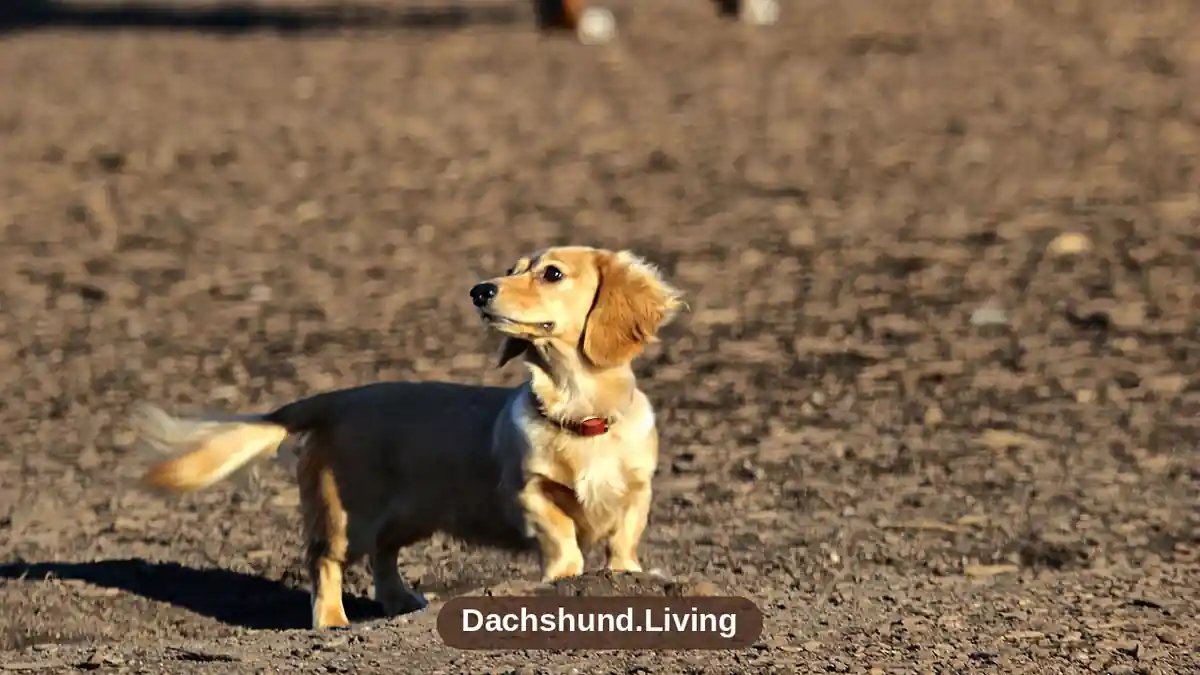
The long coat is soft and silky, and it grows longer everywhere it can. It flows off the ears, chest and tail, and it hangs in soft waves along the belly and the backs of the legs.
Under that top layer sits a softer undercoat that sheds and tangles if left alone. For how the three coats differ, my guide to dachshund coat types covers the background, while this post stays firmly on the long coat.
That undercoat is the reason the long coat sheds in waves rather than evenly all year. Loose undercoat builds up in spring and autumn, and if it sits in the coat it felts into the base of mats, especially behind the ears and in the armpits. Brushing more often in those two seasons, and using the steel comb to check right down to the skin, keeps the shed hair out before it can tangle. My notes on whether dachshunds shed explain the seasonal pattern, and a long haired dog in a heavy shed needs the comb, not just the brush, every session.
It needs no stripping or clipping to stay correct. What it needs is regularity, because a small tangle on Monday is a tight mat by Friday.
The Tools That Earn Their Space
You do not need a salon in your spare room. Six tools cover almost everything I do with Milo, and most of them cost less than a single professional groom.
| Tool | What it is for | How often I use it |
|---|---|---|
| Pin brush | Everyday smoothing and finishing the coat | 2 to 3 times a week |
| Slicker brush | Working through tangles and loose undercoat | 2 to 3 times a week |
| Stainless steel comb | Checking right down to the skin for hidden mats | Every brushing session |
| Thinning shears | Tidying feathering and softening trimmed edges | Every 4 to 6 weeks |
| Blunt tipped scissors | Sanitary trim and clearing hair from paw pads | Every 2 to 3 weeks |
| Dog shampoo and conditioner | Bathing without drying out the coat | Every 4 to 6 weeks |
The steel comb is the honest one of the set. A brush can glide happily over the top of a mat, but the comb stops dead at it, so it never lies to you.
A light detangling spray or leave-in conditioner, made for dogs, makes the comb slide more easily and cuts the pulling that teaches a dog to hate brushing. Spray it onto the coat, not straight onto the skin, and work it through with your fingers before the comb. Avoid human conditioner and human detangling sprays, because dog skin has a different pH and human products can dry it out or irritate it. If the coat feels greasy or the skin looks red after a new product, stop using it and go back to plain brushing until the skin settles.
Brushing: Little and Often Wins
I brush Milo two to three times a week for about ten minutes, with a longer session on Sundays. Short sessions suit him, and he now trots to his blanket when he sees the brush.
Always brush a dry coat, never a wet one. Wet hair stretches and breaks, and brushing it pulls, which is a fast way to teach a dog to hate the whole business.
Line Brushing in Plain Words
Line brushing sounds technical, but it just means brushing in layers instead of skimming the surface. With one hand, lift the top layer of coat up and hold it out of the way.
Then brush the layer underneath in short strokes, from the skin outward. Let down a little more coat, brush that too, and work across the body in sections until the comb runs through cleanly.
It takes five extra minutes, and it is the habit that stopped mats forming in our house. The surface can look perfect while the layer below quietly felts together.
Grooming is also the best time to check the ears, because long ear feathering traps moisture and warmth. Lift each ear flap once a week, look for redness, a dark waxy build-up, or a yeasty smell, and wipe only the parts you can see with a vet approved ear cleaner. Never push anything into the ear canal. My guide to dachshund ear care and infections covers the signs that need a vet, and an ear that is sore, swollen, or smelly should be checked rather than cleaned harder at home.
The Five Places Mats Hide
Mats do not form at random. They form where hair is fine, where skin rubs skin, and where the coat moves against collars, harnesses and the ground.
- Behind the ears: the softest, finest hair on the dog, rubbed every time he shakes his head.
- Armpits: skin on skin with every step, and the first place a harness rubs.
- Chest: long hair that catches collar edges and collects dribble and mud.
- Belly skirt: the low fringe that sweeps grass, ground and every puddle on the walk.
- Feathering on the legs and tail: long hair that twists and winds around itself as he moves.
I finish every session by running my fingers, then the comb, through those five spots. It takes a minute, and it has saved Milo from a painful dematting job more than once.
To watch the brushing and trimming order done on a real long haired dog first, this is the walkthrough I send to friends.
When You Find a Mat Anyway
It still happens here, usually behind an ear after a wet week of walks. I work a little detangling spray into the mat with my fingers first, then tease it apart from the outside edges inward.
Hold the base of the mat against the skin while you work, so any pulling lands on your fingers and not on the dog. Small mats split into strands with your thumbs, and the slicker finishes the job once the worst is out.
A mat tight to the skin, bigger than a coin, or sitting on red skin is not a home project. You cannot see where mat ends and skin begins, and that one belongs to a groomer or your vet.
Bath Day, and Why Drying Matters
Milo gets a bath every four to six weeks, or sooner if he has rolled in something I would rather not describe. Bathe more often than that and his skin dries out, a problem I covered in my post on how often you should bathe a dachshund.
Brush before the bath, always. Water tightens a tangle into a mat, so ten minutes with the comb first saves serious work later.
I use a dog shampoo, work it through the feathering with my fingers, and rinse longer than feels necessary. Residue dries itchy, and the American Kennel Club grooming guidance makes the same point about rinsing well.
Shampoo choice matters as much as rinsing, because dog skin is more alkaline than human skin and human shampoo can strip the coat oils that keep it soft. Use a gentle dog shampoo, and add a dog conditioner on the feathering if the coat feels dry or tangles easily after bathing. Rinse until the water runs clear and the coat squeaks slightly between your fingers, then towel dry before the dryer. If the skin is flaky or itchy after baths, try a longer rinse first, and ask your vet if it keeps happening, because the cause may be the skin rather than the shampoo.
Drying is the step owners rush, and it decides how the coat behaves all week. I towel off the worst, then use a dryer on low and warm, brushing gently as I go so the feathering dries straight instead of tangled.
A long coat left damp underneath will mat as it dries and can smell sour by the next day. If the belly skirt still feels cool and heavy, it is not dry yet, whatever the top layer says.
Trimming: Tidy, Never Bare
The Small Jobs I Do at Home
The sanitary trim comes first: I shorten the hair around his back end and under the tail so everything stays clean between baths. Blunt tipped scissors keep the job safe, and I only take off what sticks out.
Paw pads are next on my list. Hair between the pads collects mud and grit, and on smooth floors it makes him skate, so I trim it level with the pads every couple of weeks.
The feathering gets a tidy rather than a cut. With thinning shears I take the straggly ends off the ears, legs and tail, snipping with the direction of growth so the edge stays soft.
The One Rule I Never Break
I never clip or shave the body coat, and I ask any groomer for the same. Never shave a long coat down: it grows back patchy and softer, tangles more easily, and it may never look quite the same again.
That coat is also insulation. It keeps him warm in winter and shields his skin from the sun in summer, and the ASPCA grooming tips say the same about why a coat should not be shaved off.
If a groomer suggests a short clip for your convenience, find another groomer. A tidy up should leave your dog looking like himself, just neater.
Mud, Burrs and Snowballs
Autumn walks load the belly skirt with burrs and seeds, which work inward fast. I check the feathering at the door and comb out the rest before it dries in place.
Winter brings snowballs, packed lumps that clump into the leg feathering and between the pads. Warm water melts them out in seconds, and paw balm before the walk makes them form less.
Spring mud is the daily battle for a dog whose chest sits inches off the ground. A quick rinse of legs and belly, plus a proper dry, beats one huge muddy bath at the weekend.
Summer brings its own coat problem, and it is not just mud. A long dark coat soaks up sun, and pale skin under thin feathering can sunburn on the belly and ears. Keep midday walks short, use shade, and brush out the loose undercoat so air can reach the skin. My notes on dachshund heat safety in summer cover the pavement test and the cooling routine that goes with it, and a long haired dog who pants hard, drools thickly, or goes wobbly in heat needs shade, cool water, and a vet call, not just a shorter walk.
Shedding follows the seasons too, and loose undercoat left sitting in the coat is mat fuel. My notes on whether dachshunds shed explain the pattern: brush more in spring and autumn.
When I Pay a Groomer Instead
I do the weekly work myself, and Milo still sees a professional groomer three or four times a year. She does the full tidy quickly, sees the coat with fresh eyes, and spots skin or ear trouble I have walked straight past.
Book a groomer when mats are tight to the skin, when your dog wriggles too much for safe scissor work, or when you are new and want to watch a tidy done once first. Ask whether they know long coats, and say clearly that the body coat is not to be clipped.
The contrast shows why it matters: wire haired dogs need hand stripping, as I described in how to groom a wire haired dachshund, and a groomer who treats every coat the same will get both wrong.
Home or salon is not a test. Weekly brushing at home plus a few professional tidies a year keeps this coat easy for us.
Frequently Asked Questions
How often should I brush a long haired dachshund?
Two to three times a week suits most dogs, with the steel comb run through the hotspots each time. In wet weeks, add a quick daily check behind the ears and in the armpits.
Can I shave my long haired dachshund in summer?
No, and summer is the worst time to try it. The coat insulates against heat and shields the skin from sun, and shaved hair often grows back softer, patchier and quicker to tangle.
What is the best brush for a long haired dachshund?
A pin brush handles everyday work, and a slicker deals with tangles and loose undercoat. The steel comb matters most, because it tells you whether the coat is truly clear down to the skin.
How do I get a mat out from behind the ear?
Work detangling spray in with your fingers, hold the base of the mat against the skin, and tease it apart from the edges inward. If it is tight to the skin or the skin looks red, leave it for a groomer.
How often does a long haired dachshund need a bath?
Every four to six weeks is plenty for most dogs, with plain water rinses for muddy legs in between. Always dry the coat fully afterwards, right through the belly skirt, so it does not mat.