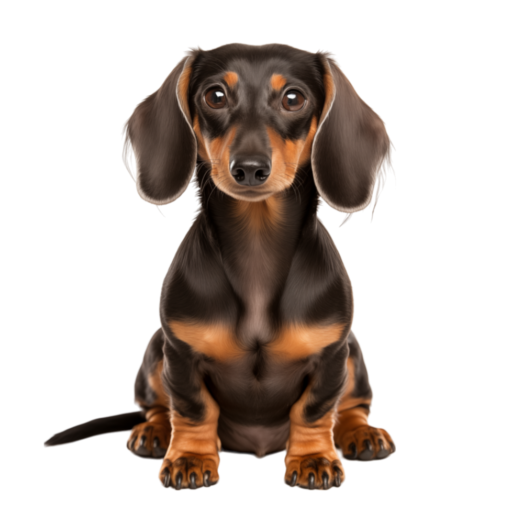
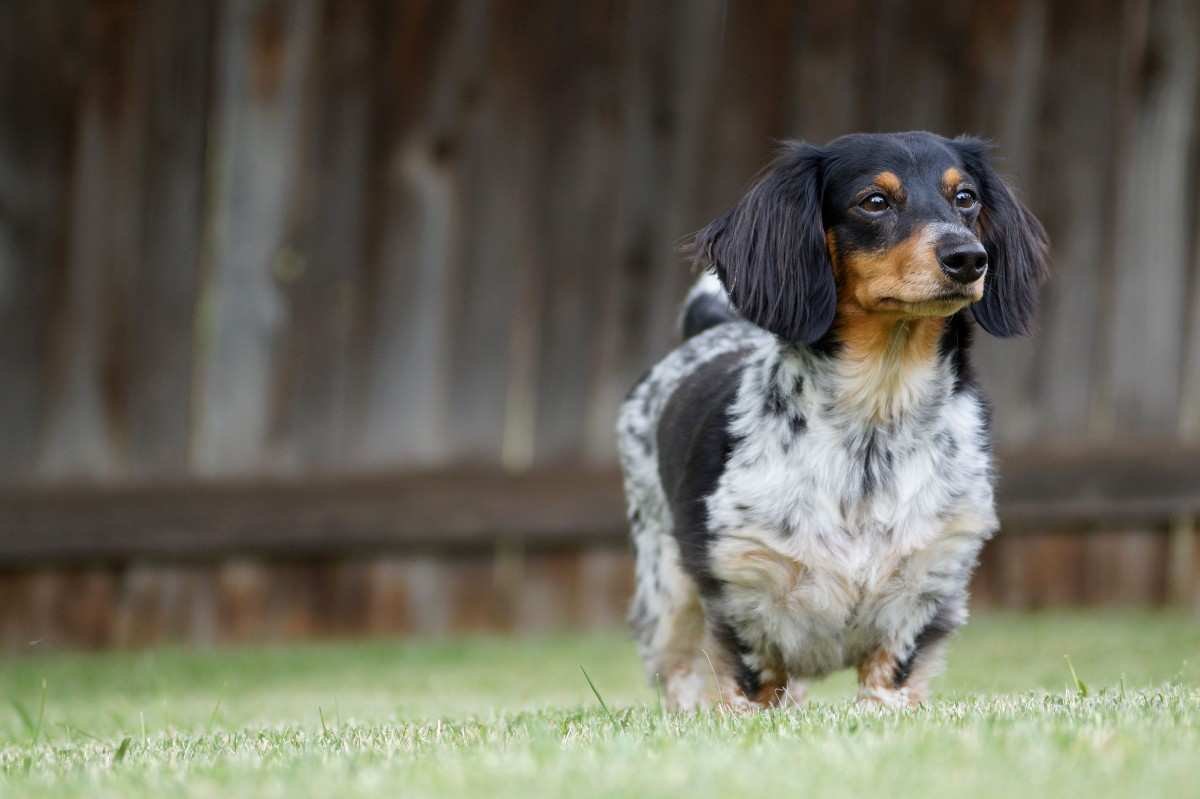

For prospective Dachshund owners, a common question often arises amidst their admiration for these charming, long-bodied dogs: Do Dachshunds actually shed that much? The simple answer, which might surprise some, is that while they do shed, the amount can vary significantly depending on their specific coat type. Unlike some breeds known for their heavy, constant hair loss, Dachshunds are generally considered moderate to low-shedders, making them a manageable choice for many households.
Understanding the nuances of Dachshund shedding involves delving into their distinct coat varieties. Each type—smooth, long-haired, and wire-haired—comes with its own shedding characteristics and grooming requirements. Therefore, before bringing one of these delightful hounds into your home, it’s essential to set realistic expectations regarding their hair-shedding tendencies and how best to manage them.
Understanding Dachshund Coat Types and Their Impact on Shedding
Dachshunds are unique not only in their distinctive physique but also in the variety of coats they can sport. These three primary coat types significantly influence how much a Dachshund sheds and the grooming regimen they require. Knowing the differences is key to anticipating their shedding habits.
Smooth-Coated Dachshunds: Minimal but Consistent Shedding
The smooth-coated Dachshund is perhaps the most recognizable variety, boasting a short, sleek, and shiny coat that lies close to the body. While many assume short hair means no shedding, this isn’t entirely true. Smooth-coats do shed, but typically in a fine, consistent manner throughout the year.
Their shedding is often described as minimal compared to many other breeds. However, because their hairs are short and stiff, they can sometimes embed themselves in fabric, making them noticeable. Regular, light brushing with a rubber curry brush or grooming mitt is usually sufficient to manage their shedding and keep their coat healthy and shiny.
Long-Haired Dachshunds: Moderate Shedding with Grooming Needs
Long-haired Dachshunds possess a beautiful, flowing coat that can be straight or slightly wavy, complete with feathering on their ears, legs, and tail. This elegant appearance often leads people to believe they shed more heavily than their smooth-coated counterparts, which is partially true.
Long-haired Dachshunds tend to shed moderately, especially during seasonal changes in spring and fall. Their longer hairs are generally softer and less prone to embedding, but they can form tangles and mats if not brushed regularly. Daily or every-other-day brushing with a slicker brush and comb is crucial to prevent matting and remove loose hair, thus reducing the amount shed around the house.
Wire-Haired Dachshunds: The Least Shedding Option
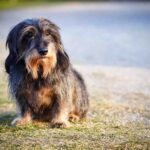
For those concerned about shedding, the wire-haired Dachshund often presents the best option. Their distinctive coarse, wiry outer coat and softer undercoat give them a rustic charm, complete with prominent eyebrows and a beard.
Wire-haired Dachshunds are generally considered the lowest-shedding variety among the three. Their shedding is minimal and often less noticeable because the wiry hairs tend to stay trapped within the coat until brushed out or “stripped.” They typically require professional grooming or hand-stripping a few times a year to maintain their coat texture and minimize shedding. Regular brushing at home still helps to keep their coat healthy and free of debris.
The Truth About Dachshund Shedding: What to Expect
Many potential owners wonder about the actual volume of hair they’ll encounter. While Dachshunds are not considered heavy-shedding dogs like German Shepherds or Huskies, they are also not entirely non-shedding like Poodles or Bichon Frise. Understanding the typical shedding patterns helps manage expectations.
Dachshunds generally shed a moderate amount of hair year-round, with increased shedding during seasonal changes. This seasonal “blow-out” usually occurs in spring as they shed their thicker winter coat and again in the fall as they prepare for a new one. During these periods, you might notice more hair on furniture, clothing, and floors, regardless of their coat type.
Compared to other breeds, their shedding is quite manageable. You won’t typically find large clumps of fur, but rather individual hairs. The visibility of these hairs depends on their length and color against your home’s furnishings. Consistency in grooming is the most effective way to keep this natural process under control.
Factors Influencing Dachshund Shedding Levels
Beyond coat type, several other factors can significantly influence how much a Dachshund sheds. Recognizing these elements can help owners address excessive shedding or maintain a healthy coat.
Diet and Nutrition: Fueling a Healthy Coat
A high-quality diet is paramount for a dog’s overall health, and this directly extends to their coat and skin. Dogs fed a diet rich in essential fatty acids (like Omega-3 and Omega-6), vitamins, and minerals tend to have healthier skin and a stronger coat, which means less shedding.
Conversely, a poor diet lacking vital nutrients can lead to dry, brittle hair and increased shedding. Look for dog foods with real meat as the primary ingredient and consider supplements like fish oil if recommended by your veterinarian. The American Kennel Club (AKC) emphasizes the importance of proper nutrition for a healthy coat and skin, which directly impacts shedding.
Health and Allergies: Underlying Shedding Causes
Sudden or excessive shedding can often be a red flag for underlying health issues. Skin allergies, parasites (like fleas or mites), fungal infections, and hormonal imbalances (such as hypothyroidism) can all contribute to increased hair loss.
If you notice a drastic change in your Dachshund’s shedding pattern, accompanied by other symptoms like itching, redness, bald spots, or lethargy, it’s crucial to consult your veterinarian. Addressing these health concerns can often resolve the shedding problem.
Environmental Factors: Climate and Stress
A dog’s environment also plays a role in shedding. Dogs living in climates with extreme temperature changes might experience more pronounced seasonal shedding. Additionally, stress and anxiety can trigger temporary periods of increased hair loss.
Ensuring your Dachshund has a comfortable, consistent living environment and minimizing stressors can contribute to a healthier coat. Providing a consistent routine, adequate exercise, and mental stimulation helps reduce anxiety.
Age and Hormonal Changes
As Dachshunds age, their coat can change, sometimes becoming thinner or shedding more. Puppies also go through a phase where they shed their soft puppy coat for their adult fur. Hormonal fluctuations, particularly in unspayed females during heat cycles or after pregnancy, can also lead to temporary increases in shedding.
Effective Grooming Strategies to Manage Dachshund Shedding
Managing Dachshund shedding effectively revolves around consistent and appropriate grooming for their specific coat type. A proactive approach can significantly reduce the amount of hair you find around your home.
Regular Brushing Routines for Each Coat Type
- Smooth-Coated: Weekly brushing with a rubber curry brush or grooming mitt is usually sufficient. This helps remove loose hairs, stimulates blood circulation, and distributes natural oils for a shiny coat.
- Long-Haired: Daily or every-other-day brushing is recommended. Use a slicker brush to detangle and remove loose hair, followed by a metal comb to ensure no mats are forming, especially in the feathering.
- Wire-Haired: Weekly brushing with a slicker brush or stiff bristle brush helps remove dead hair and maintain the coat’s texture. Hand-stripping every few months by a professional groomer or yourself (if trained) is ideal for maintaining the wiry texture and minimizing shedding.
Bathing Frequency and Proper Products
Bathing your Dachshund every 4-6 weeks, or as needed, can help remove loose hair and dirt. Over-bathing can strip natural oils, leading to dry skin and increased shedding, so a balanced approach is best. Always use a high-quality dog shampoo formulated for their skin type to avoid irritation.
During baths, gently massage the shampoo into their coat to loosen dead hair, then rinse thoroughly. A good conditioner can also help keep the coat healthy and reduce breakage. VCA Animal Hospitals provides guidance on proper bathing techniques to ensure your dog’s skin and coat remain healthy.
Professional Grooming Considerations
While smooth-coats may only need occasional professional baths, long-haired and wire-haired Dachshunds can greatly benefit from professional grooming. Groomers can expertly manage mats, perform hand-stripping for wire-hairs, and provide thorough de-shedding treatments that reach deeper into the coat.
Deshedding Tools and Techniques
For all coat types, especially during seasonal shedding, deshedding tools can be invaluable. Tools like a Furminator (used carefully and sparingly) or specialized deshedding gloves can effectively remove loose undercoat hair before it falls out naturally. Always follow the manufacturer’s instructions and avoid over-brushing, which can irritate the skin.
Minimizing Shedding: Beyond the Brush
While grooming is a primary defense against shedding, other lifestyle choices contribute significantly to a healthy coat and reduced hair loss. A holistic approach offers the best results.
High-Quality Diet and Supplements
Reiterating its importance, a diet rich in omega fatty acids, found in ingredients like salmon, flaxseed, and fish oil, directly supports skin health and coat luster. Consider adding veterinarian-approved skin and coat supplements if your dog’s diet isn’t providing enough of these vital nutrients. These can strengthen hair follicles and reduce breakage.
Hydration and Its Role
Just like humans, dogs need adequate hydration for healthy skin and hair. Ensure your Dachshund always has access to fresh, clean water. Dehydration can lead to dry skin, which in turn can exacerbate shedding. A well-hydrated dog will generally have a healthier, more resilient coat.
Regular Veterinary Check-ups
Routine visits to the veterinarian are crucial for catching any underlying health issues that might contribute to excessive shedding early on. Your vet can identify allergies, parasites, or hormonal imbalances and recommend appropriate treatments. This proactive approach supports overall health and, consequently, coat health.
Creating a Low-Stress Environment
Stress can manifest physically, including through increased shedding. Providing a stable, loving, and predictable environment for your Dachshund can help reduce anxiety. Regular exercise, mental stimulation through toys and training, and consistent routines contribute to a calm and happy dog with a healthier coat. A mentally stimulated and physically active dog is generally a healthier dog overall.
Do Dachshunds shed more than other small breeds?
Compared to some other small breeds, Dachshunds typically shed a moderate amount. For instance, Poodles are considered non-shedding, while breeds like Jack Russell Terriers might shed more consistently. The shedding level in Dachshunds is largely dependent on their specific coat type (smooth, long-haired, or wire-haired), with wire-haired being the lowest shedder and long-haired being moderate.
What time of year do Dachshunds shed the most?
Dachshunds, like many dog breeds, tend to shed more heavily during seasonal changes. You’ll typically notice increased shedding in the spring as they shed their thicker winter coat and again in the fall as they prepare for a new, warmer coat. Regular grooming during these periods is particularly important to manage the extra hair.
Can diet affect how much a Dachshund sheds?
Absolutely. A high-quality diet rich in essential nutrients, particularly omega-3 and omega-6 fatty acids, plays a crucial role in maintaining a healthy coat and skin. A poor diet can lead to dry, brittle hair and increased shedding. Feeding a balanced, premium dog food and considering vet-approved supplements can significantly reduce shedding due to dietary deficiencies.
Are wire-haired Dachshunds truly non-shedding?
No, wire-haired Dachshunds are not entirely non-shedding, but they are generally considered the lowest-shedding variety among the three coat types. Their coarse, wiry hairs tend to get trapped within the coat rather than falling out, making their shedding much less noticeable. Regular brushing and occasional hand-stripping are necessary to remove these dead hairs and maintain their coat’s texture and health.
What are the best tools for grooming a shedding Dachshund?
The best tools depend on the coat type. For smooth-coats, a rubber curry brush or grooming mitt works well. Long-haired Dachshunds benefit from a slicker brush and a metal comb to prevent mats. Wire-haired Dachshunds need a slicker brush or stiff bristle brush, and sometimes hand-stripping tools. During heavy shedding, a deshedding tool like a Furminator can be used sparingly and carefully on all types to remove loose undercoat.
The Manageable Reality of Dachshund Shedding
In conclusion, the question of whether Dachshunds actually shed that much can be confidently answered with a nuanced “no, not excessively.” While no dog is truly non-shedding (aside from hairless breeds), Dachshunds are generally considered moderate to low shed-producers, especially when compared to many other popular breeds. Their shedding habits are largely influenced by their specific coat type—smooth, long-haired, or wire-haired—each requiring a slightly different grooming approach.
By implementing consistent grooming routines, providing a high-quality diet, ensuring proper hydration, and addressing any underlying health issues with regular veterinary care, owners can effectively manage their Dachshund’s shedding. Ultimately, the small amount of hair you might find is a minor trade-off for the immense joy, personality, and companionship these beloved dogs bring into a home. A little proactive care goes a long way in keeping both your Dachshund and your living space happy and healthy.


[…] The coat of a Pug Dachshund cross can vary significantly depending on which parent’s genetics are dominant. If the Pug’s influence is stronger, the Daug will likely have a short, smooth, and glossy coat. However, if the Dachshund parent was a long-haired or wire-haired variety, the Daug could inherit a longer, denser, or even wiry coat. Common colors include fawn, black, brown, brindle, or a combination of these. Regardless of the texture, regular grooming is essential to keep their coat healthy and minimize shedding. […]