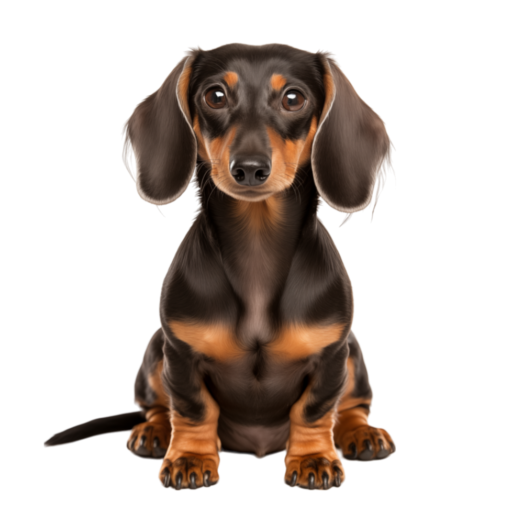
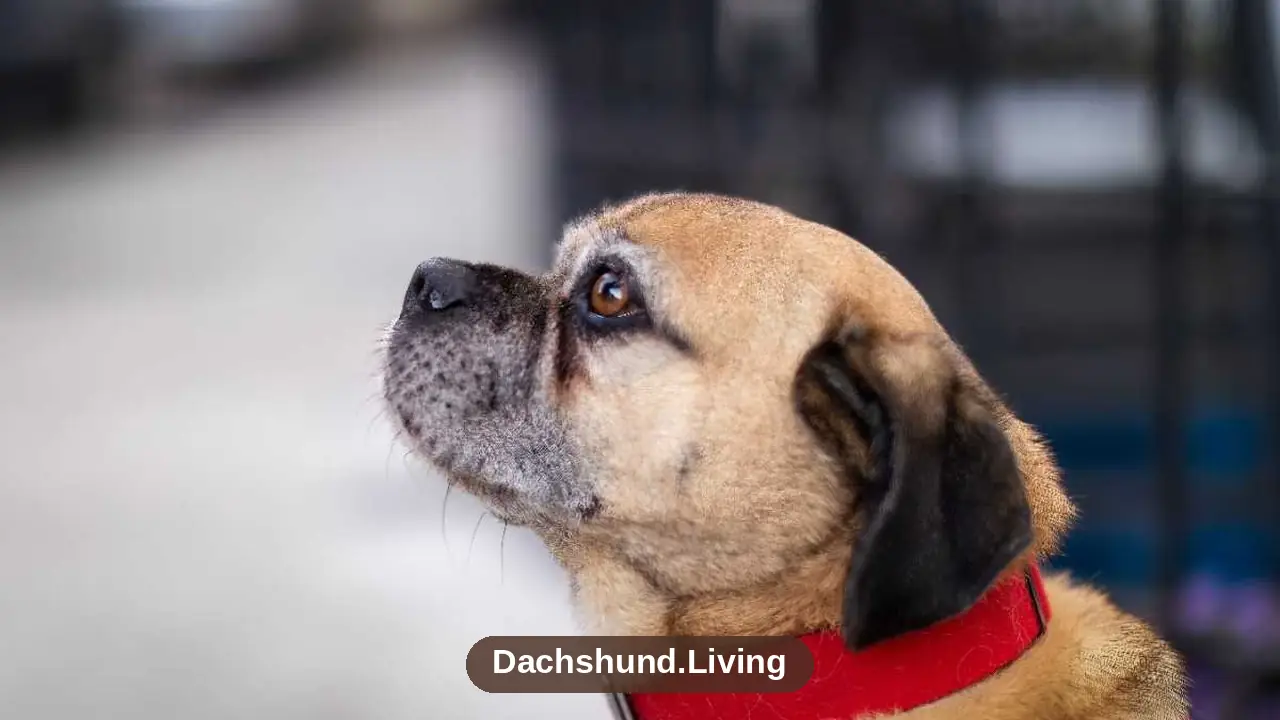

Cross a pug who lives to make you laugh with a dachshund who thinks he runs the house, and you get the Daug. Owners tell me the same thing every time, the personality is far bigger than the dog.
Like every mixed breed, a Daug is a bit of a lottery, and puppies can lean toward either parent. Go in with open eyes, learn both breeds well, and the surprises are mostly pleasant ones.
Where the Daug comes from
The Daug has no long history of its own, because it is a deliberate cross of two old purebreds. Breeders hoped to blend pug company loving nature with dachshund spark in one sturdy little companion.
Meet the parents
The pug comes from China, bred for centuries simply to be close to people. Expect a wrinkled face, a curled tail, and a dog who treats human attention as a basic need.
The dachshund comes from Germany, built low and long to hunt badgers underground. That job shaped a fearless, clever dog with a bark three sizes too big, as our piece on how the dachshund breed began explains.
What a Daug looks like
No two Daugs look exactly alike, but most weigh 15 to 25 pounds and stand 8 to 12 inches tall. The body often takes after the dachshund, long and low, while the face borrows from the pug.
Muzzles vary the most, and that matters for breathing as well as looks. Some get a short pug face softened by a longer dachshund muzzle, while ears usually flop and tails usually curl.
Coat types and colours
A pug leaning Daug wears a short, smooth, glossy coat that is easy to live with. If the dachshund parent was long haired or wire haired, expect longer or wiry hair instead.
Fawn, black, brown, and brindle all turn up in this mix, and loose hair comes with every colour. Brush once or twice a week, and read our guide to dachshund shedding for what drives it.
Temperament and family life
Personality is the real reason people fall for this mix, and I hear it in every Daug story I am told. These dogs are affectionate, funny, and devoted, with just enough independence to keep life interesting.
A blend of clown and hunter
The pug side brings cuddles and comedy, and Daugs shadow their people from room to room. The dachshund side brings a stubborn streak, a loud watchdog bark, and a nose that can hijack any walk.
Family life and social skills
Early socialisation shapes a confident adult, so introduce puppies to different people, dogs, and places while they are young. Daugs usually adore children and get along with other pets, especially when raised together.
Supervise play around toddlers, however gentle everyone means to be. A small dog with a long back can get hurt by rough handling, so teach children to let the dog come to them.
Training that actually works
Start early, keep it positive
Daugs are smart enough to learn fast and stubborn enough to test whether you meant what you said. Training works best as a game with clear rules, and puppy classes add socialisation plus basic obedience in one package.
Reward good behaviour with treats, praise, and toys, and keep sessions short and upbeat. Harsh corrections backfire with this mix, so teach sit, stay, come, and leave it early with patience instead.
Recall and house training
That dachshund nose makes recall unreliable off lead, so practise in enclosed spaces first. Reward every return like the best thing that ever happened, and your Daug will start choosing you over smells.
House training can take longer than average, and getting cross never speeds it up. A strict potty schedule with instant rewards for success beats frustration every single time.
Health issues to watch for
A Daug can inherit risks from either side, and crossing two breeds does not erase them. The AKC pug breed page is a good starting point for the pug half of the picture.
Breathing and eyes
Short muzzles can mean noisy breathing, heavy snoring, and real trouble in heat. Keep exercise sensible on warm days, and get strained breathing at rest checked by a vet promptly.
Protruding pug style eyes are prone to scratches, ulcers, and irritation. Check them daily for redness or cloudiness, and treat squinting or pawing at the face as a prompt vet call.
Backs and knees
The long back invites intervertebral disc disease, so discourage jumping off furniture and fit ramps by the sofa and bed. Support the whole body, chest and rear together, whenever you lift your dog.
Slipping kneecaps show up in this mix too, sometimes as a little skipping hop in a back leg. Catching back or knee pain early gives your dog the best chance of recovery, so never wait on a yelp or wobble.
Weight is the lever you control
Extra pounds punish both the breathing and the back, so keeping a Daug lean is the most useful habit you control. Feed measured meals, go easy on treats, and use our dachshund feeding guide for suitable food choices.
Daily care and exercise
Two daily walks of 15 to 30 minutes plus playtime usually covers a Daug exercise needs. Fetch and puzzle toys burn mental energy too, but skip high impact jumping that jars the spine.
Brush weekly, trim nails monthly, clean ears regularly, and brush teeth often. If your Daug has pug wrinkles, wipe inside the folds and dry them well, as the ASPCA dog care resources advise.
Feed a good food matched to age, size, and activity, and measure it rather than guessing. Daugs gain weight easily, treats count toward the daily total, and fresh water should always be down.
Is a Daug right for you?
These dogs suit people who are home a lot and want a close companion. They do not suit long lonely days or rough and tumble play with very small children.
Home and lifestyle fit
Apartment or house, city or suburbs, a Daug adapts as long as exercise and company are covered. They bond hard and can get anxious alone, and our dachshund yorkie mix guide covers a similar small hybrid.
The 10 to 14 year commitment
Daugs typically live 10 to 14 years, so budget for food, grooming, and vet care across that whole span. Adopt from a rescue where you can, or buy only from a breeder who health tests both parents.
Frequently Asked Questions
What is the average lifespan of a pug dachshund mix?
Most Daugs live 10 to 14 years, depending on genetics, weight, and day to day care. Lean dogs with regular vet visits tend to land at the upper end of that range.
Are Daugs good with children and other pets?
Usually yes, especially when socialised young and raised alongside them. Supervise very small children, because that long back is easy to hurt with rough handling.
Do pug dachshund mixes shed a lot?
Expect moderate shedding, because pugs shed a fair amount and dachshunds shed too. Brushing once or twice a week keeps loose hair under control and off your furniture.
What are the common health concerns for a Daug?
Breathing and eye problems come from the pug side, while back trouble and slipping kneecaps come from the dachshund side. Obesity makes nearly all of it worse, so weight control is your best everyday defence.
How much exercise does a pug dachshund mix need?
Around 30 to 60 minutes a day, split across two walks plus playtime, suits most Daugs well. Keep it low impact to protect the back, and add puzzle toys for mental work.



[…] the dachshund but curious what happens when the breed blends with another? From the pug dachshund mix to the Chiweenie, dachshund crosses pair the iconic long body and big personality with traits from […]
[…] Merle is dominant, so one inherited copy (Mm) is enough for the full dapple look. Dogs with this genotype are called single dapples, and they are typically healthy. Thinking about a mix? Read the pug dachshund mix guide for new owners. […]
[…] sits comfortably among today’s most popular dachshund crosses, alongside mixes like the pug dachshund mix. If you want the full landscape, our roundup of popular dachshund crosses is a good place to […]