
Most mix guides could swap the breed names and read the same. A Pomeranian Dachshund mix, often called a Dameranian, cannot, because the cross itself creates the quirks.
You get a spitz coat stretched over a long body, a watchdog bark in a dog small enough to sit on your lap, and bouncy energy in a frame that has to protect its back.
I am Umar, and dachshunds are the dogs I have lived with and loved for years. I am not a vet or a breeder, so what follows is an owner’s honest look at what this particular cross asks of you.
What Makes a Dameranian Different
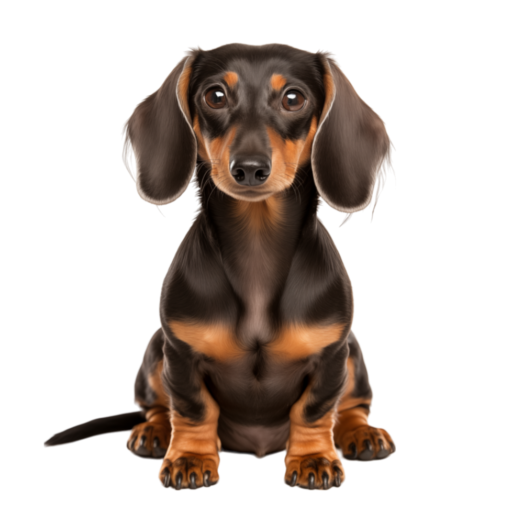
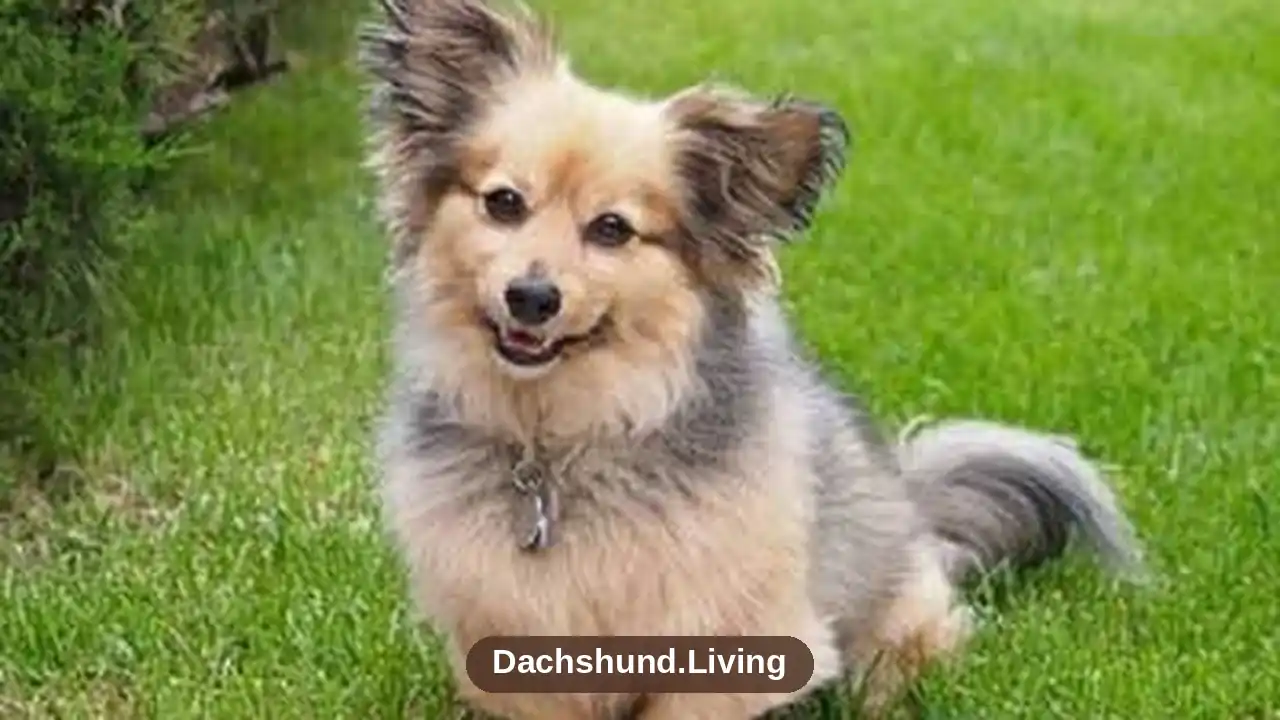
A Dameranian is a puppy from a Pomeranian parent and a dachshund parent, and each puppy leans a different way. One may look like a long Pom with floppy ears, while a littermate looks like a dachshund wearing a much thicker coat.
The AKC Pomeranian profile describes a tiny, bold spitz with a glorious double coat and a foxy face. The dachshund side brings the long back, the short legs and a hunter’s nerve that is out of all proportion to its size.
Plan for the harder version of each trait, not the easier one. Ready for heavy shedding, a loud bark and careful back management, the easier puppy becomes a pleasant surprise.
A Spitz Coat on a Long Body
The coat is where this cross surprises people most. Many Dameranians grow the Pom’s thick double coat, with a soft undercoat and a longer outer layer standing off the body, but it sits on a long, low frame.
The result can look like a dachshund in a fluffy jacket. The chest, neck and tail often carry the most fluff, forming a ruff at the front and a plume at the back.
Not every puppy gets the full spitz treatment. Some coats land in the middle, longer and softer than a smooth dachshund but nowhere near a pure Pom, and a few stay fairly short if the dachshund parent was smooth coated.
Our guide to dachshund coat types helps you read the dachshund half of that lottery. Colors follow both parents too, so red, orange, cream, black, chocolate and sable all turn up, sometimes with pale markings from the Pom side.
Shedding, Said Straight
Here is the part some sellers soften, so I will say it plainly: this cross is not a low shedding dog. A Pomeranian sheds, sometimes a lot, and adding dachshund to the mix does not switch that off.
Expect loose hair all year, with heavier falls in spring and autumn when a double coat blows out. At those times you will find undercoat on your clothes, your sofa and in soft tumbleweeds along the skirting boards.
A puppy with a shorter, smoother coat will shed less visibly, but you cannot order that outcome in advance. If shedding is a deal breaker in your home, this is the wrong mix to gamble on.
Loud, Alert and First to the Door
Both parent breeds were built to notice things. Poms are alert little watchdogs, and dachshunds were bred to face badgers underground, so a Dameranian tends to announce visitors, passing dogs and odd noises with real commitment.
That bark is bigger than the dog. It can work well if you want an early warning system in a flat, but it will strain neighborly relations fast if nobody teaches the dog when enough is enough.
Start a quiet cue early, reward the pause after an alert rather than shouting over the noise, and give the dog a job instead. Coming to you for a treat after one or two barks is a routine most can learn.
Stranger wariness comes with the same package. Meet visitors calmly, let the dog approach in its own time, and socialize a puppy gently and often so new people, sounds and places feel ordinary rather than alarming.
Bold Meets Stubborn at Training Time
Training a Dameranian feels like negotiating with two strong opinions in one small head. The Pom side is bright, confident and sometimes bossy, while the dachshund side can understand you perfectly and still ask what is in it for them.
Short, cheerful sessions with good food rewards get far more done than long drills or scolding. End while the dog is still keen, repeat the same cues in different rooms, and keep every person in the house using the same rules.
Our dachshund puppy training tips cover the stubborn half of this mix in detail. Housetraining deserves a special mention, because small bladders and an independent streak can make it slow going for the first few months.
Watch for small dog syndrome, where a tiny dog is allowed to guard laps and lunge at guests because it looks cute. A Dameranian given no boundaries can become snappy and anxious, and that is a management failure, not a breed flaw.
Clear, kind limits make this dog easier to live with and calmer in itself. Let it be a dog first and a handbag accessory never.
Spitz Energy in a Long Backed Body
The exercise puzzle with this cross is a mismatch. The Pom influence brings a bouncy, busy energy that wants games and outings, while the long back and short legs set limits that a pure spitz would never have to think about.
Most adults do well on around 45 minutes to an hour a day, split into two walks and some play. Flat routes, steady sniffing time and indoor games suit them far better than one huge weekend outing.
Our breakdown of dachshund exercise needs explains why that split routine protects joints and backs. Puzzle feeders, scent games and short training rounds tire the busy brain without asking the spine to do anything silly.
Stairs and jumping need discipline from day one. Use ramps for the sofa and bed, lift the dog for long flights of stairs, and skip games that involve leaping up to catch toys in the air.
Weight control sits right beside exercise here. Extra kilos on a long frame press on the spine every single day, so measure meals, keep treats tiny and check ribs with your hands each week under all that fluff.
Health Watch List for This Cross
A mixed puppy can inherit health risks from either parent, and this cross stacks a few worth knowing by name. I can only flag what to watch for and discuss with your vet, not promise what any one dog will or will not face.
The long back brings the dachshund risk of intervertebral disc disease, where a disc in the spine bulges or slips and causes pain. The AKC dachshund profile covers the breed behind that risk, and any back pain, wobbliness or reluctance to move needs a vet the same day.
From the Pom side, watch for patellar luxation, where a kneecap slips and makes a dog skip on a back leg. A honking cough can point to trachea trouble, another Pom weakness, so use a harness rather than a collar that pulls on the throat.
Teeth deserve their own line. A small mouth can crowd a full set of teeth, and both parent breeds are prone to dental build up, so early tooth brushing and vet dental checks save pain and money later.
Ask whoever bred the puppy what health checks the parents had, especially for knees, eyes and back history. A seller who waves those questions away is telling you something, and it is worth listening.
Grooming That Double Coat
A fluffy Dameranian needs brushing two or three times a week, right down through the undercoat, not just a skim over the top. A slicker brush and a metal comb handle most of it, and the comb tells you honestly whether you reached the skin.
Mats form first behind the ears, under the front legs and around the collar, so check those spots at every session. During the spring and autumn coat blows, short daily sessions keep the loose undercoat under control.
Bathe every four to six weeks or when the dog is genuinely dirty, and dry the coat fully. Never shave a double coat down unless your vet advises it, as it protects the skin and grows back unevenly.
Add the small jobs and the routine is complete. Brush teeth several times a week, trim nails little and often, and check hanging ears weekly for wax or a sour smell.
Size, Look and Life at Home
Most Dameranians land somewhere between 8 and 18 pounds, with the dachshund parent’s size doing most of the deciding. A miniature dachshund parent keeps things small, while a standard parent can produce a sturdy, surprisingly strong little dog.
Height stays low either way, usually around 6 to 10 inches at the shoulder, with a body clearly longer than it is tall. That shape, plus the fluff, draws comments on most walks.
At home, this is a companion dog in the fullest sense. They bond hard, follow their person from room to room and can fret when left alone, so they suit homes where somebody is around most of the day.
Older, gentle children usually do better than toddlers, because a small, long backed dog can be hurt by rough handling. Early socialization with other dogs helps too, though the prey drive may still switch on at squirrels.
If you want a quiet, low maintenance dog who sheds little, look elsewhere with my blessing. If you want a devoted, funny watchdog in a fluffy, long bodied package and will do the grooming and training, a Dameranian can be a joy.
Frequently Asked Questions
Is a Dameranian the same as a Doxie Pom?
Yes, both names describe a Pomeranian Dachshund mix. Dameranian is the name you will hear most often, but sellers and rescues use the two names for the same cross.
Do Dameranians shed a lot?
Most do, especially those with the Pom’s double coat. Expect year round shedding and heavier falls in spring and autumn, whatever a seller may promise you.
How much exercise does a Dameranian need?
About 45 minutes to an hour a day works for most adults, split into walks and play. Keep it flat and steady, use ramps at home and avoid jumping games that jar the long back.
Are Dameranians hard to train?
They are smart but strong willed, so training takes patience rather than force. Short reward based sessions, a taught quiet cue and firm house rules from the start make a real difference.
What health problems should I watch for?
Watch the back for disc trouble, the knees for slipping kneecaps, and breathing for trachea issues, plus crowded teeth in a small mouth. Keep the dog lean and raise anything worrying with your vet early.


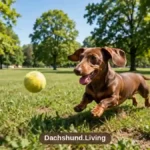
[…] one bonds hard and tells you about every sound in the street. The Pomeranian dachshund mix guide walks through coat care, barking, and the separation worry that comes with such a devoted little […]