

Have you ever wondered about the mesmerizing, mottled patterns on a Dapple Dachshund? These distinctive markings aren’t just a random splash of color; they’re a fascinating genetic marvel. Understanding Dapple Dachshund genetics reveals that this unique pattern is far more than skin deep, carrying significant implications for both appearance and health.
It means a dog carries a specific gene that creates lighter, diluted patches against a solid base coat, making each Dapple truly one-of-a-kind.
This article delves into the science behind the dapple pattern, exploring the responsible gene, its various expressions, and the crucial health considerations every owner and breeder must understand. We’ll uncover how this genetic trait works, what it means for a Dachshund’s overall well-being, and why responsible breeding is paramount. Prepare to unravel the captivating world of Dachshund genetics.
Unraveling the Dapple Dachshund Genetics: The Merle Gene Explained
The striking dapple pattern in Dachshunds is directly linked to a specific genetic factor known as the Merle gene. This gene is responsible for diluting random areas of the dog’s base coat color, creating the characteristic lighter patches. It’s a dominant gene, meaning only one copy is needed for the pattern to be expressed.
What is the Merle Gene?
Scientifically referred to as the “M locus” or “Silver gene,” the Merle gene (M) is a dilution gene that affects eumelanin (black and brown pigment). When present, it creates irregular patches of diluted color, along with areas of full pigmentation. This genetic mechanism results in the beautiful, variegated coat seen in dapple Dachshunds.
Dominant Trait and Heterozygous Expression
The Merle gene is a dominant trait. This means a dog only needs to inherit one copy of the gene from either parent to display the dapple pattern. A Dachshund with one copy of the Merle gene (Mm genotype) is known as a “single dapple” and typically exhibits the desired, healthy dapple appearance. They are heterozygous for the Merle gene.
Also Read: Pug Dachshund Mix Guide for New Owners
How the Merle Gene Affects Pigmentation
The Merle gene doesn’t just dilute coat color; it can also affect eye and nose pigment. Dapple Dachshunds often have blue eyes, or eyes that are partially blue, known as “wall eyes.” Their nose leather might also show pink spots or be entirely pink, especially in lighter dapple variations. This random dilution effect is central to the dapple aesthetic.
Understanding Dapple vs. Double Dapple
While a single dapple Dachshund is highly prized for its unique appearance, a different scenario arises when a Dachshund inherits two copies of the Merle gene. This distinction between single and double dapple is critically important for their health and well-being. Knowing the difference is key to promoting ethical breeding practices.
Read more about: Do Dachshunds Shed? A Complete Guide to Their Coat
Single Dapple: A Desirable Pattern
A single dapple Dachshund possesses one copy of the Merle gene (Mm). These dogs typically exhibit the classic dapple pattern, with distinct patches of lighter color against their base coat. They are generally healthy and do not typically suffer from the severe health issues associated with their double dapple counterparts. Their unique markings make them very popular.
Double Dapple: The Risks and Ethical Concerns
A “double dapple” Dachshund inherits two copies of the Merle gene (MM), one from each parent. This genetic combination results in a much more extreme dilution, often presenting as a predominantly white or very pale coat with minimal dapple markings. Unfortunately, this genotype carries a significantly higher risk of severe health problems, which are often irreversible. Consequently, breeding two dapple Dachshunds together is considered highly unethical due to the high probability of producing double dapple offspring.
Identifying Dapple Patterns and Colors
The dapple pattern isn’t a color itself but rather a modifier that acts upon an existing base coat color. This interaction creates a stunning array of visual variations, making each dapple Dachshund truly unique. Understanding the base colors helps appreciate the diversity of dapple patterns.
Common Dapple Base Coats (Black and Tan, Red, Chocolate)
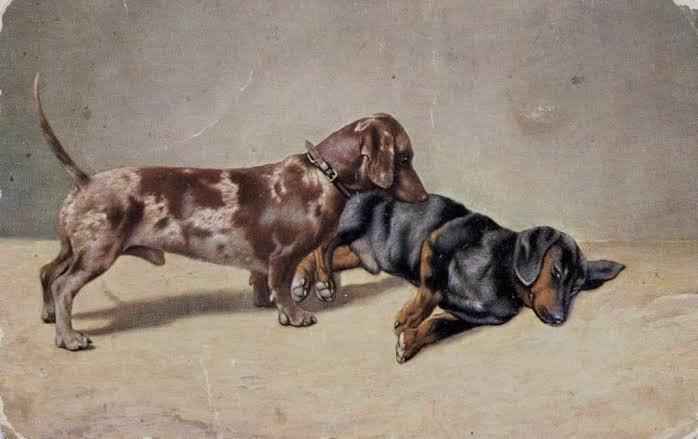
The dapple pattern can manifest on various base coat colors. For instance, a “black and tan dapple” will have silver or grey dapple patches on its black areas, while the tan points remain unaffected. Similarly, a “red dapple” will feature lighter cream or fawn patches on its red coat. “Chocolate dapples” will display lighter tan or beige dapple markings against their rich brown base.
Unique Markings and Variations
Beyond these common combinations, dapple patterns can also appear on cream, blue, or Isabella base coats, creating even more exotic appearances. The size, shape, and distribution of the dapple patches are entirely random, ensuring no two dapple Dachshunds look exactly alike. Some may have extensive dappling, while others might show only subtle patches.
Health Implications of the Merle Gene
While the dapple pattern is visually appealing, the Merle gene, particularly when present in two copies (double dapple), is associated with significant health concerns. Responsible breeders prioritize health over aesthetics to prevent unnecessary suffering. Understanding these risks is crucial for both owners and prospective owners.
Hearing Impairments in Double Dapples
One of the most serious health risks associated with double dapple Dachshunds is profound hearing impairment, often leading to complete deafness. The Merle gene can affect the pigment cells in the inner ear, which are vital for proper auditory function. This defect is typically congenital and irreversible, requiring specialized care throughout the dog’s life. Studies have shown a strong correlation between the double merle genotype and hearing loss in various breeds. The American Kennel Club (AKC) provides resources on genetic health.
Ocular Defects and Vision Problems
Double dapples are also prone to a range of severe ocular defects. These can include microphthalmia (abnormally small eyes), colobomas (missing tissue in the eye structures), cataracts, and even complete blindness. The gene’s impact on pigment development extends to the eyes, disrupting normal formation and function. These vision problems can significantly impact a dog’s quality of life, necessitating careful management and adaptation.
Responsible Breeding Practices to Mitigate Risks
Given these severe health risks, ethical breeding dictates that two dapple Dachshunds should never be bred together. Reputable breeders will always avoid “dapple to dapple” matings to prevent the birth of double dapple puppies. Instead, a single dapple Dachshund should only be bred with a solid-colored Dachshund (non-dapple) to ensure all offspring are at most single dapples, thus minimizing health risks. Genetic testing is a vital tool for breeders to identify carriers and make informed decisions. The Dachshund Club of America provides guidelines for responsible breeding.
Breeding Dapple Dachshunds Ethically
Ethical breeding is the cornerstone of preserving the health and integrity of any breed, especially when dealing with genetic traits like the Merle gene. For dapple Dachshunds, responsible practices are not just recommended; they are essential to prevent debilitating health issues. This commitment ensures the well-being of future generations.
Genetic Testing and Health Screening
Before any breeding takes place, both parent dogs should undergo comprehensive genetic testing. This includes specifically testing for the Merle gene to confirm their genotype (e.g., Mm or mm). Health screenings for common Dachshund ailments, such as intervertebral disc disease (IVDD), are also crucial to ensure healthy lineage. These proactive measures help breeders make informed decisions.
Avoiding Double Dapple Matings
The most critical rule in breeding dapple Dachshunds is to absolutely avoid mating two dapples together. A dapple (Mm) bred to a solid (mm) will produce approximately 50% dapple and 50% solid puppies, all of whom are single dapples. This method eliminates the risk of producing double dapple (MM) offspring, which carry the highest health risks. Adhering to this principle is a mark of a truly responsible breeder.
The Role of Responsible Breeders
Responsible breeders are transparent about their dogs’ genetic backgrounds and health clearances. They educate prospective owners about the specifics of Dapple Dachshund genetics, including potential health concerns. Furthermore, they prioritize the health and temperament of their puppies above all else, often having waiting lists and thorough screening processes for potential homes. The Orthopedic Foundation for Animals (OFA) offers databases for health testing results, which can be a valuable resource for breeders and buyers.
Living with a Dapple Dachshund
Bringing a Dapple Dachshund into your home is a joyous experience, and understanding their unique genetic background can help you provide the best possible care. While single dapples are generally healthy, awareness of their genetic predisposition is always beneficial. They are charming and intelligent companions, full of personality.
Special Care Considerations for Dapple Dachshunds
If you adopt a double dapple Dachshund with hearing or vision impairments, specific accommodations will be necessary. Training deaf dogs requires visual cues and hand signals, while blind dogs benefit from consistent home layouts and auditory markers. Early intervention and veterinary consultation are vital for managing any health issues that may arise. Regular vet check-ups are important for all Dachshunds, regardless of coat pattern.
Celebrating Their Unique Beauty
Regardless of their dapple pattern, Dachshunds are beloved for their spirited personalities and affectionate nature. Their unique coats are just one of the many wonderful aspects that make them stand out. By understanding and respecting the genetics behind their beauty, owners can ensure a healthy, happy life for these charming dogs. Celebrating their individuality, while remaining mindful of their specific needs, creates a strong bond.
What is the difference between a single dapple and a double dapple Dachshund?
A single dapple Dachshund inherits one copy of the Merle gene (Mm) and displays the characteristic mottled pattern without associated severe health risks. A double dapple Dachshund inherits two copies of the Merle gene (MM), resulting in extreme dilution (often mostly white) and a high likelihood of serious health issues like deafness and blindness. Responsible breeding avoids producing double dapples.
Are dapple Dachshunds more prone to health problems?
Single dapple Dachshunds (with one Merle gene copy) are generally not more prone to health problems than other Dachshunds. However, double dapple Dachshunds (with two Merle gene copies) are at a significantly higher risk for severe health issues, particularly congenital deafness and various ocular defects, including blindness. This is why ethical breeding practices are critical.
Can a dapple Dachshund have blue eyes?
Yes, it is common for dapple Dachshunds to have blue eyes, or eyes that are partially blue (sometimes referred to as “wall eyes”). The Merle gene, which creates the dapple pattern, also affects pigment in the eyes, often leading to a blue coloration or heterochromia (two different colored eyes). This is a normal and often admired trait in single dapples.
Is it ethical to breed two dapple Dachshunds together?
No, it is considered highly unethical to breed two dapple Dachshunds together. Such a mating carries a 25% chance of producing double dapple puppies, who are at a very high risk of severe health defects, including deafness and blindness. Responsible breeders always avoid “dapple to dapple” matings to protect the health and welfare of the offspring.
How can I tell if a dapple Dachshund is healthy?
To ensure a dapple Dachshund is healthy, always purchase from a reputable breeder who provides health clearances and genetic testing results for the parent dogs. Look for a puppy with clear eyes and good hearing. If adopting an adult, ensure they have had a veterinary check-up. Be especially cautious if the dog appears predominantly white, as this could indicate a double dapple genotype and associated health risks.
The Genetic Tapestry of Dapple Dachshunds
The captivating dapple pattern in Dachshunds is a testament to the intricate world of canine genetics. It’s a beautiful expression of the dominant Merle gene, creating unique and beloved companions. However, understanding Dapple Dachshund genetics is far more than just appreciating their aesthetics; it’s about recognizing the profound implications this gene holds for their health. The distinction between a single dapple and a double dapple is critical, highlighting the responsibility that comes with breeding and owning these dogs.
By supporting ethical breeders who prioritize genetic health testing and avoid risky pairings, we ensure the well-being of this cherished breed. Awareness of the potential health issues associated with the double Merle gene empowers owners to provide appropriate care and advocacy. Ultimately, embracing the genetic reality of dapple Dachshunds allows us to celebrate their distinctive beauty while safeguarding their future.