
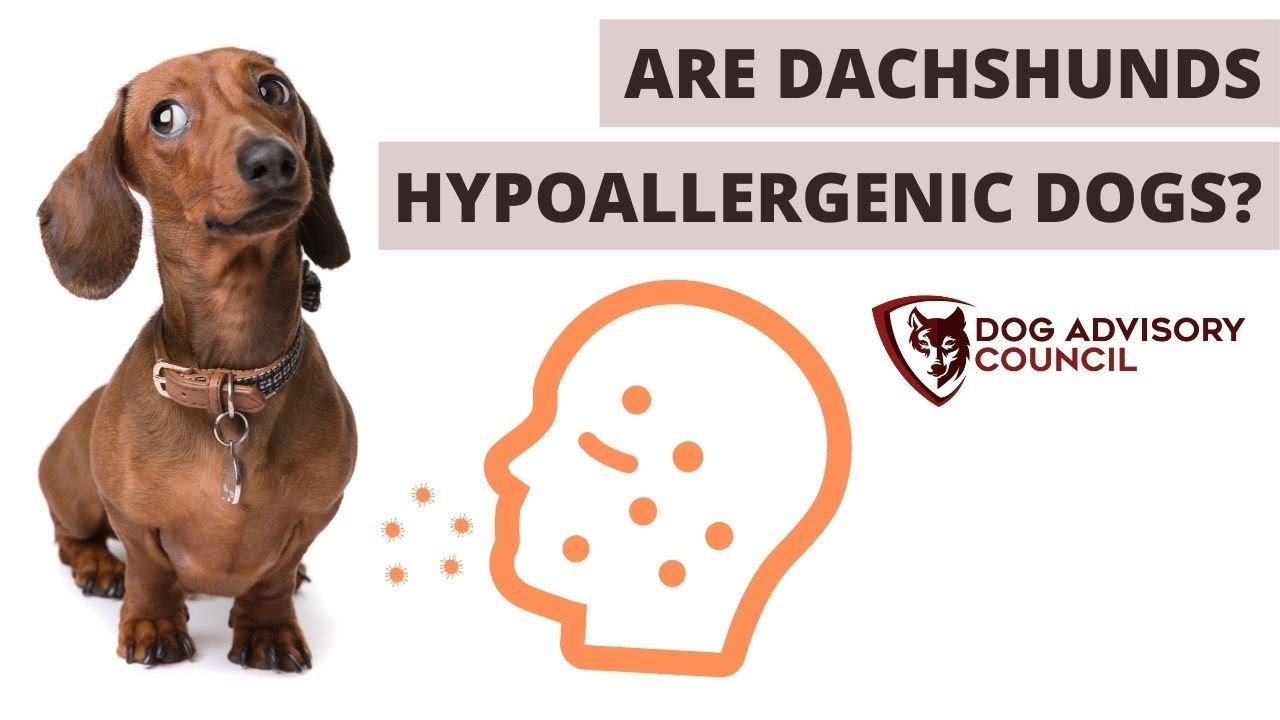

Sneezing, watery eyes, and a runny nose can quickly ruin the joy of bringing a new puppy home. If you are wondering, are Dachshunds safe for allergy sufferers, the short answer is no, they are not considered hypoallergenic dogs. However, many people with mild allergies live happily with these iconic dogs by taking specific precautions.
Consequently, your experience will depend heavily on your individual sensitivity and the specific coat type of the dog. Therefore, we must look closely at how these dogs shed and produce dander. Ultimately, this guide will help you determine if a Dachshund is the right fit for your home.
The Science Behind Dog Allergies
Many people believe that dog hair is the primary cause of their sneezing. However, science tells a different story. The true source of your discomfort is a protein found in canine saliva, urine, and dead skin cells, which are commonly known as dander. When dogs shed their fur, this invisible dander hitchhikes on the loose hairs and becomes airborne.
Consequently, these microscopic particles settle on your furniture, carpets, and clothing. According to the American College of Allergy, Asthma & Immunology, even short-haired dogs can cause severe reactions because all dogs produce these proteins. Therefore, focusing solely on hair length can be a misleading approach for sensitive owners. When evaluating are Dachshunds safe for allergy sufferers, we must analyze the specific ways this breed releases these proteins into your environment.
Are Dachshunds Safe for Allergy Sufferers?
To properly answer if are Dachshunds safe for allergy sufferers, we must look at how these dogs shed. Dachshunds are not classified as hypoallergenic by major kennel clubs. Consequently, they do shed dander and hair into their environment. However, because of their small size, they produce far fewer allergens than larger breeds like Golden Retrievers.
As a result, a person with mild allergies might tolerate a Dachshund very well. In contrast, someone with severe asthma might experience significant symptoms. Therefore, individual sensitivity plays a massive role in whether this breed is safe for your household. You must consider both the dog’s coat type and your own physical limits before adopting.
Comparing the Three Dachshund Coat Types
Dachshunds come in three distinct coat varieties: smooth, long-haired, and wire-haired. Interestingly, each coat type interacts with allergens in a slightly different way. Furthermore, understanding these differences will help you make an informed decision for your health.
Smooth-Haired Dachshunds and Shedding
Smooth-haired Dachshunds have short, sleek coats that require minimal grooming. However, they actually shed continuously throughout the year. Because their hairs are short and stiff, they easily embed themselves into fabrics and carpets. Many potential owners ask, are Dachshunds safe for allergy sufferers when they have short hair, assuming short hair means fewer allergies.
Consequently, this constant shedding can spread dander all over your living spaces. If you choose a smooth Doxie, you will need to vacuum frequently to keep dander levels low. Therefore, they might not be the absolute best choice for highly sensitive individuals who react to airborne particles.
Long-Haired Dachshunds and Dander Trapping
Long-haired Dachshunds possess elegant, silky coats that require regular brushing. When asking are Dachshunds safe for allergy sufferers, the long-haired variety presents a unique case. Surprisingly, their longer hair can actually work to your advantage because the long fibers tend to trap dander close to the skin rather than letting it float into the air.
However, this trapped dander will eventually release when the dog shakes or runs. Furthermore, their long fur can easily collect outdoor allergens like pollen and dust. As a result, you must brush them daily to prevent matting and control the buildup of these environmental triggers.
Wire-Haired Dachshunds: The Best Choice for Allergies?
Wire-haired Dachshunds are often considered the most allergy-friendly of the three types. They have a thick undercoat and a harsh, wiry outer coat that sheds very little. According to the American Kennel Club, no dog is 100% hypoallergenic, but low-shedding coats are much easier on sensitive noses. This low-shedding quality is why many experts wonder, are Dachshunds safe for allergy sufferers if they choose the wire-haired variety.
Because their hair stays trapped in the coat, it does not spread around your home as easily. However, wire-haired Dachshunds require a unique grooming process called hand-stripping. Consequently, this maintenance is essential to remove dead hair and keep dander levels low in your household.
Practical Tips to Minimize Allergens in Your Home
If you decide to bring a Dachshund home, you can take several proactive steps to manage your symptoms. Creating a clean environment will significantly reduce your exposure to pet dander. Consequently, you can enjoy your pet without constant sneezing.
Establish a Strict Grooming Routine
Regular grooming is your first line of defense against pet allergies. Bathing your Dachshund once every two weeks can dramatically lower the amount of dander on their skin. According to veterinary experts at VCA Animal Hospitals, using a moisturizing dog shampoo prevents the skin from drying out and flaking. Implementing these grooming steps helps answer how are Dachshunds safe for allergy sufferers in a practical way.
Furthermore, you should brush your dog outside to prevent loose hair from settling indoors. If possible, ask a non-allergic family member to handle the grooming tasks. As a result, you will avoid direct contact with the highest concentration of allergens.
Invest in High-Quality Air Filtration
Airborne dander can linger in your home for hours. Therefore, installing a High-Efficiency Particulate Air (HEPA) filter is highly beneficial. These filters are designed to capture tiny particles, including pet dander and pollen. Understanding how these filters work helps explain how are Dachshunds safe for allergy sufferers when proper air cleaning is maintained.
In addition, you should place air purifiers in the rooms where your Dachshund spends the most time. Vacuuming your carpets with a HEPA-equipped vacuum cleaner at least twice a week is also crucial. Consequently, you will keep the air clean and breathable for everyone in the house.
Create Allergy-Free Zones in Your House
To keep your symptoms manageable, it is vital to establish boundaries. Specifically, you should make your bedroom a strict “no-dog zone.” Since you spend a third of your day sleeping, keeping this room free of dander is essential. According to the Asthma and Allergy Foundation of America, keeping pets out of the bedroom is one of the most effective ways to reduce nighttime symptoms.
Furthermore, you can use allergen-proof covers on your mattress and pillows. Keep the bedroom door closed at all times to prevent floating dander from entering. Consequently, your immune system will get a much-needed break every single night.
How to Test Your Sensitivity Before Adopting
Before making a lifetime commitment, you should test your reaction to the breed. Spending time with a Dachshund beforehand is the best way to determine if they are safe for your allergies. Ultimately, taking these steps is the only way to truly answer, are Dachshunds safe for allergy sufferers on an individual level.
For example, you can visit a reputable breeder or volunteer at a local Dachshund rescue. Spend at least an hour holding and petting the dog to see if your immune system reacts. Ultimately, this trial run will give you peace of mind and prevent the heartbreak of having to rehome a puppy.
Frequently Asked Questions
Are smooth Dachshunds better for allergies than long-haired ones?
Not necessarily. While smooth Dachshunds have shorter hair, they shed continuously, which can spread dander easily. Long-haired Dachshunds actually trap dander within their silky fur, though they require more frequent brushing to manage outdoor allergens.
How often should I bathe my Dachshund to reduce allergens?
You should bathe your Dachshund once every two to three weeks. Using a gentle, veterinarian-approved shampoo will wash away loose dander and saliva without drying out their skin, which would otherwise cause more flaking.
Do miniature Dachshunds produce less dander than standard ones?
Yes, miniature Dachshunds generally produce less dander simply because they have less surface area. Because they are smaller, the total volume of saliva, urine, and shedding skin they release into your home is naturally lower.
Can I use allergy medication to live with a Dachshund?
Many owners successfully manage mild symptoms using over-the-counter antihistamines, nasal sprays, or allergy shots. However, you should consult with an allergist to discuss a safe, long-term treatment plan before bringing a pet home.
Which Dachshund coat is the absolute best for allergy sufferers?
The wire-haired Dachshund is generally considered the best option. Their thick, harsh coat sheds very little compared to smooth and long-haired varieties, meaning fewer allergens are released into your household environment.
Conclusion
In conclusion, when asking are Dachshunds safe for allergy sufferers, there is no simple yes or no answer. While Dachshunds are not 100% hypoallergenic, they do not have to be completely off-limits for dog lovers. By understanding how dander spreads and choosing the right coat type, you can dramatically reduce your exposure. Specifically, wire-haired and miniature Dachshunds often present the lowest risk for sensitive individuals.
Furthermore, maintaining a clean home, utilizing HEPA filters, and establishing strict grooming routines will make a massive difference. Ultimately, your success depends on the severity of your allergies and your commitment to a cleaning routine. If you take the time to test your sensitivity beforehand, you can make a safe, responsible decision. With the right preparation, you may soon find yourself sharing your couch with a loyal, loving, and low-allergen companion.