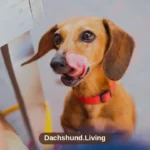


The first sign in my house was the sound, not the sight. Every evening my dachshund would settle on the rug, pick up one front paw, and chew at it like it owed him money.
I blamed the food first, like most owners do. I changed brands twice in a month, and the chewing never missed a beat.
That lesson cost me time and a fair bit of money. Most itchy dachshunds I have met since, including mine, were reacting to their environment, not their dinner.
Food or environment: which is it?
A food allergy is an immune reaction to an ingredient, usually a protein such as beef, chicken, or dairy. A food intolerance is different and usually shows up as a loose stool or gas, without the same immune response.
Environmental allergies work more like hay fever in people. Pollen, grass, dust mites, and mould spores land on the skin and in the airways, and a sensitive dog overreacts to them.
The American Kennel Club guide to dog allergies makes the same point vets keep repeating: environmental causes are far more common than true food allergies. Food allergies do exist, but they are the smaller group.
The clinical name for this is canine atopic dermatitis, also called atopy, and it is one of the most common allergies vets see. The American Kennel Club guide to dog allergies describes it as an allergy to things in the environment, which is why the itch follows the seasons and the walks rather than the food bowl. Knowing the name helps at the vet, because atopy has its own tests and its own treatments, and they are different from the food allergy route.
Timing gives you a clue, though never a diagnosis on its own. Itching that flares in spring and eases in winter leans environmental, while itching that stays identical all year can point either way.
Age helps a little too. Environmental allergies often start between six months and three years, while a food reaction can appear after a dog has eaten the same food happily for years.
My dog was worst after long sniffing sessions in long grass. That pattern, paws first and worse after walks, was the hint my vet followed.
Signs, area by area
Allergy signs in a dachshund rarely arrive as one dramatic rash. They creep in as small habits that slowly become daily routines.
Paws and chewing
Licking, nibbling, and chewing the paws is the sign I now watch first. The fur between the toes can turn a rusty pink or brown colour from constant saliva.
Paws touch grass, carpets, and floors all day, so they meet allergens first. A dog who licks only after walks is telling you something useful, so note it down.
Ears that never settle
Head shaking, scratching at the ears, and a yeasty smell are classic allergy companions in this breed. Long, floppy ears hold warmth and moisture, so irritated ears can quickly become infected ears.
Allergies and ear trouble often arrive together, which is why I wrote separately about dachshund ear care and infections. Repeated ear problems with itchy skin elsewhere deserve an allergy conversation with your vet.
Belly and armpits
A dachshund belly sits inches from the ground, so it brushes grass and dust on every walk. Redness, small bumps, and scratching in the armpits and groin are very common with environmental allergies.
My dog would drag his belly along the cool hallway floor after a walk. At the time I thought it was funny, and now I read it as itch relief.
Face rubbing and hot spots
Rubbing the face on carpet, furniture, or your legs usually means an itchy muzzle, chin, or eyes. Watery eyes and sneezing can join in during high pollen days.
Hot spots are different: a raw, wet, painful patch that appears fast where a dog has scratched or chewed one place hard. A hot spot that keeps growing, weeping, or smelling needs a vet visit promptly, not home watching.
The pattern across the body matters more than any single itchy spot. Paws plus ears plus belly, repeated over weeks, is the picture vets take seriously.
That pattern is also why ears keep coming back into the story. The VCA Hospitals guide to ear infections in dogs notes allergies are involved in as many as 43 percent of ear infection cases, especially chronic or recurring ones, and ear infections occur in 65 to 80 percent of dogs with food allergies. Eyes follow the same logic: watery eyes and face rubbing on high pollen days are allergy signs too, and my notes on dachshund eye problems cover which eye changes need a vet and which ones are just a dusty day.
How vets actually test
There is no single quick test that names a dog allergy with certainty. A good vet starts with history, a skin and ear exam, and ruling out fleas, mites, and infection first.
VCA Hospitals explains allergy testing in dogs in a way that matches what I was told: testing supports a plan, it does not replace the history. Keep a simple diary of flares, walks, foods, and weather for a few weeks before your visit.
An elimination diet, done properly
For suspected food allergy, the reliable test is a strict elimination diet trial, usually for eight to twelve weeks. Your vet may suggest a prescription hydrolysed diet, where proteins are broken down very small, or a novel protein your dog has never eaten.
Strict means strict. No treats, table scraps, flavoured chews, or sneaky tidbits from visitors, because one extra ingredient can ruin weeks of careful feeding.
One practical detail makes or breaks the trial: the treats. Every treat during those eight to twelve weeks must be part of the trial diet, which usually means single ingredient treats your vet approves, or the trial food itself used as a reward.
A well meaning visitor with a biscuit can undo a week, so tell the household the rule before the trial starts. My notes on the best treats for dachshunds cover which single ingredient options suit a small dog.
If the itch clearly improves, your vet may reintroduce old ingredients one at a time to see which one brings it back. That rechallenge step is the part owners skip, and without it you still only have a guess.
Choosing the trial food needs care, especially for small dogs. My notes on dog food for a mini dachshund cover portion and label basics, but a trial diet itself should always be picked with your vet.
Blood and skin testing limits
Blood tests and intradermal skin testing can help identify environmental allergens, often through a veterinary dermatologist. Their best use is building an immunotherapy plan, such as allergy injections or drops made for your dog.
They are much weaker for food. Blood, saliva, and hair tests sold online for food allergies are widely regarded by vets as unreliable, so I would not spend money there without asking first.
Testing is only useful if it changes the plan. The American Kennel Club guide to dog allergies calls allergen-specific immunotherapy the gold standard for diagnosis, because the test results are used to build drops or injections made for your dog, aimed at retraining the immune response over months.
That is a longer road than a tablet, and it needs a vet dermatologist, but it is the one approach that targets the cause instead of the itch. If flares keep coming back despite home care, ask your vet whether a dermatology referral is the next step.
A positive result also does not prove that allergen is the whole story. Plenty of normal, comfortable dogs test positive to pollens they live with happily.
Relief that actually helps
Relief is usually a routine, not a single product. These are the habits that made the biggest difference in my house, alongside my vet plan.
Bathing and paw rinses
Regular bathing washes pollen and dust off the coat before it sits on the skin for days. Ask your vet how often and which gentle or medicated shampoo suits your dog, because overbathing with harsh products can dry skin out.
My schedule follows the same rhythm I use in my guide on how often you should bathe a dachshund, adjusted during flare weeks. Lukewarm water, a full rinse, and proper drying in the skin folds matter more than fancy products.
Between baths, a quick paw rinse or wipe after walks removes a surprising amount of pollen. I keep a small towel and a bowl of plain water by the door during grass season.
Washing bedding weekly in hot water helps with dust mites too. If you are also finding more loose hair than usual, my notes on whether dachshunds shed explain what is normal for each coat.
Vet prescribed options
When home care is not enough, vets have real options: medicated shampoos, anti itch medicines, injections, and treatment for skin or ear infections. Immunotherapy is slower, but it is the one approach aimed at retraining the immune response itself.
When home care is not enough, ask your vet about the newer prescription options by name. The American Kennel Club guide to dog allergies notes that cyclosporine, Apoquel and Cytopoint are now used extensively, with good results for severe itching.
They work differently from antihistamines and from each other, so the choice depends on your dog, and none of them replaces finding the trigger. What they do buy is a comfortable dog while the longer work of testing and immunotherapy goes on.
Coat type changes how signs look and how you spot them early. Smooth coats show redness fast, while long and wire coats hide it, as I covered in my guide to dachshund coat types.
Never borrow another dog medicine or stretch an old prescription across a new flare. Skin that looks the same can have a new infection underneath, and the treatment differs.
Human antihistamines need vet dosing
Some human antihistamines are used in dogs, but only at a dose your vet sets for your dog weight and health. Products vary, and some human cold medicines contain ingredients that are dangerous for dogs.
Antihistamines are cheap and generally safe, but the American Kennel Club guide to dog allergies is honest about their limits: different types have variable effects and they do not work on all dogs. That matches what vets told me, that they help only a minority of allergic dogs. If your dog seems sleepy, agitated, or no better after a vet approved trial, report back instead of raising the dose yourself.
What not to do
Random diet hopping was my biggest mistake. Every new bag reset the clock, taught me nothing, and left me with three open bags of food nobody finished.
Cutting chicken on a guess is the classic version of this. Chicken is common in dog food, so many itchy dogs eat chicken, but eating it is not proof it causes the itch.
Avoid long term grain free or boutique diets chosen only from internet lists, unless your vet advises them. Unbalanced home cooked trials carry the same risk, especially for a small dog over many weeks.
Also skip steroid creams, human skin products, and essential oils on broken skin unless your vet says otherwise. A dachshund will lick most things off within minutes, which adds a second problem.
What helped most was boring consistency: one change at a time, a written diary, and a vet who saw the pattern. My dog still has flare days in high pollen weeks, but the nightly paw chewing is mostly gone.
I am Umar, a lifelong dachshund enthusiast and owner, not a vet. This post shares what I learned with my own dog, and your dog needs their own vet for diagnosis and treatment.
Frequently Asked Questions
Are food allergies common in dachshunds?
True food allergies happen, but vets consider them less common than environmental allergies. Most itchy dachshunds react to pollen, dust mites, or mould, so test properly before blaming the food.
How long does an elimination diet take?
Most vet guided trials run eight to twelve weeks with nothing else fed at all. If signs improve, ingredients are reintroduced one by one to confirm the trigger.
Can I give my dachshund a human antihistamine?
Only if your vet recommends a specific product and dose for your dog. Some human medicines contain ingredients that are unsafe for dogs, and antihistamines help only some allergic dogs.
Why does my dachshund chew his paws after walks?
Paws pick up grass and pollen on every walk, so post walk chewing often fits an environmental allergy pattern. A quick paw rinse after walks and a chat with your vet are sensible first steps.
When should an itchy dachshund see a vet quickly?
Book promptly for hot spots, sores, hair loss, a strong ear smell, or itching that stops your dog sleeping. Those signs can mean infection, which needs treatment rather than home care alone.