


My dachshund can hear a treat packet from two rooms away, through a closed door. That food drive makes training easier, and it also makes weight gain embarrassingly easy.
I am Umar, and I learned the portion lesson after one winter of generous training rewards. His harness got tight, his back had more load to carry, and the fix took months of careful measuring.
Now every treat in my house has a job and a calorie cost. This guide shows the foods I reach for, the ones I never give, and the actual numbers behind the treat budget.
Why Treats Matter So Much Here
A dachshund is a small dog, so 20 extra calories a day is not a small thing. Over weeks, those little extras become visible weight, and visible weight on a long back is a problem I take seriously.
Extra weight is linked to a higher strain on the spine, which is why our guide to dachshund IVDD and back problems keeps coming back to keeping dogs lean. Treats are part of that picture, not a side note to it.
Used well, treats are also the fastest teaching tool I own. A tiny reward given at the right second tells him exactly which behaviour I liked, far better than a long explanation ever could.
What Makes a Good Treat
Small Enough to Repeat
For training, I want a treat about the size of a pea. He can eat it in one second and look back at me ready for the next rep, instead of settling down to chew a small meal.
Bigger treats get broken or cut into pieces before the session starts. If a treat is the size of my thumbnail, I count it as food, not as a quick reward.
Simple Ingredients
I like short ingredient lists I can actually read, with real meat or a named vegetable first. Treats led by sugar, syrup or vague animal by products stay on the shop shelf.
Single ingredient options like freeze dried meat are handy because the maths is easy. A treat that adds protein or fibre is doing more than one that is just starch and flavouring.
Reading the Label Before You Buy
Turn the packet over before you buy, and read the whole ingredient list, not just the front. Look for the calories per treat on the pack, since a biscuit with no calorie figure listed is a guess, not a budget. If the list starts with sugar, syrup, salt or vague meat by products, put it back.
Hunt for xylitol under all its names. It also appears as birch sugar, and VCA Hospitals explains that xylitol is highly toxic to dogs, even in small amounts, so check peanut butter and sugar free products every time, even a brand you have bought before. Onion powder and garlic powder hide in savoury treats too, so a new food that upsets his stomach is worth checking against our notes on dachshund allergies signs and relief before you offer it again.
The Right Texture for the Job
Soft and smelly wins for training, because he notices it fast and eats it fast. Crunchy treats suit quiet time at home, and longer chews suit a dog who needs something to do with his mouth.
I keep two types in the house at any time, one for training and one for settling. That small system stopped me buying a new packet every time we tried something different.
Treats I Reach For
Training Treats
Small soft treats live in a pouch by the door and another in my coat pocket. Plain cooked chicken cut tiny is his highest value reward, saved for recall practice and anything he finds genuinely hard.
On ordinary days I often use part of his normal food as the reward instead. It is less exciting, but it keeps the day honest and he still works happily for it at home.
Fruit and Veg From the Kitchen
Baby carrots, green beans, cucumber and small pieces of apple without seeds all go down well here. Blueberries are his favourite, and a few pieces of seedless watermelon work on a hot day.
I introduce any new food one at a time and in a small amount first. That way, if his stomach objects, I know exactly which new thing caused it.
Dental and Longer Chews
A vet approved dental chew a few times a week gives him a longer job to do. Chews help a little with tartar, but our guide to dachshund dental care covers why brushing still matters more.
I always supervise chewing and take the last small piece away. That final piece is the one dogs try to swallow whole, and it is not worth the risk for the sake of tidiness.
Choose dental chews by the seal on the pack, not the picture on the front. PetMD notes that a dental chew should carry the Veterinary Oral Health Council seal of acceptance, which shows it is both safe and effective. A chew without that seal may still keep him busy, but it has not passed the same checks.
Size the chew to the dog in front of you. A chew made for a large breed is too big for a miniature to work safely, and a small chew vanishes too fast in a standard.
Three dental chews a week is a sound routine for most dogs, and dogs at risk of dental disease may benefit from one a day, so ask your vet what fits your dog. Brushing still matters more, as our guide to dachshund dental care explains, since no chew reaches under the gum line where most dental disease starts.
Simple Homemade Options
Baked sweet potato slices and frozen banana coins are easy wins in my kitchen. Both are plain, cheap and portion friendly, with no salt, sugar or seasoning added.
Homemade or Shop Bought
Homemade treats win on control and lose on counting. You know exactly what went in, since there is no salt, sugar or seasoning, but there is no calorie label either, so weigh the batch and divide it into portions before you start handing pieces out. Keep homemade treats in the fridge and use them within three to four days, or freeze the rest, since plain food with no preservatives spoils fast.
Shop bought treats win on labelling and lose on trust. The packet tells you the calories per treat and the ingredients in order, which makes the daily budget easy, but only if you read it.
The common mistake is mixing the two without counting either, so pick one system for the week and count every treat in it. PetMD advises looking for treats with as few ingredients as possible and avoiding treats high in fat or sodium, which is a useful rule for both kinds.
Homemade treats still count in the daily budget, even when they feel virtuous. A banana coin is healthier than a biscuit, but it is not calorie free.
For a longer reward, I stuff a puzzle toy with a measured mix of food and a few treats. Our picks in the best toys for dachshunds guide show which toys make that food last longest.
The Calorie Maths, In Real Numbers
Most owners have heard that treats should stay under 10 percent of daily calories. The AKC guide on how many treats a dog can have explains that same 10 percent rule, but the rule only helps once you turn it into numbers for your dog.
A resting dog needs about 70 multiplied by his weight in kilos raised to the power of three quarters, and a typical spayed or neutered pet then needs roughly one and a half times that amount each day. I used that standard estimate to work out the table below, and your vet can fine tune it for age and activity.
- An 8 lb miniature, about 3.6 kilos, needs roughly 290 calories a day, so his treat budget is about 29 calories.
- A 10 lb dog, about 4.5 kilos, needs roughly 350 calories a day, so his treat budget is about 35 calories.
- A 12 lb dog, about 5.4 kilos, needs roughly 400 calories a day, so his treat budget is about 40 calories.
- A 16 lb standard, about 7.3 kilos, needs roughly 495 calories a day, so his treat budget is about 50 calories.
- A 20 lb standard, about 9.1 kilos, needs roughly 585 calories a day, so his treat budget is about 58 calories.
Read those treat numbers again, because they are smaller than most people guess. One large shop bought biscuit can use up a whole day of treats for a miniature before breakfast is even finished.
Our guide on how much a dachshund should weigh shows the rib check I use each week to see if the budget is working. If his ribs get hard to feel, the treats are the first place I look, before I cut his proper meals.
How Far 40 Calories Actually Goes
This table uses a 12 lb dog with a 40 calorie daily treat budget, which is the size I know best. Scale it down for a miniature and up a little for a bigger standard, using the budgets above.
| Treat type | Approx calories | How many fit the daily treat budget |
|---|---|---|
| Pea sized soft training treat | 3 | About 13 |
| Baby carrot | 4 | About 10 |
| Thin apple slice, no seeds | 5 | About 8 |
| Small shop bought biscuit | 15 | 2, with 10 calories to spare |
| Small dental chew | 35 | 1, and almost nothing else that day |
| Peanut butter, 1 teaspoon, xylitol free | 32 | 1 teaspoon, and almost nothing else that day |
The training row is the one that changed how I work with my dog. Thirteen tiny treats is a proper training session, while two biscuits is over in a minute and teaches him almost nothing.
On a heavy training day I take the treat calories out of his dinner, rather than adding them on top. Pair that habit with the daily walks in our dachshund exercise guide and his weight stays far steadier through the year.
If his weight starts creeping up, treats are the first thing to change, not his proper meals. Swap biscuits for baby carrots and green beans, use part of his measured daily food for training, and weigh him weekly on the same scales.
Our overweight dachshund weight loss plan sets out the full routine, including the rib check and a target weight agreed with your vet. If his ribs get hard to feel under a flat hand, cut the treat budget in half for two weeks and check again before you change anything else.
Foods I Never Give
Chocolate, grapes, raisins, onions, garlic and macadamia nuts are all dangerous for dogs. Xylitol, also sold as birch sugar, is another one to hunt for on labels, especially in some peanut butters.
The ASPCA list of people foods to avoid feeding pets is the page I check before sharing anything new from my plate. It takes 30 seconds and it has stopped me guessing more than once.
Cooked bones stay off the menu too, because they can splinter and injure his mouth or gut. Fatty table scraps are another no, since a rich meal can trigger a very sore stomach and, in some dogs, pancreatitis.
Rawhide is a chew I skip in favour of safer options that I can supervise properly. If a chew breaks into chunks, goes slimy and stringy, or smells strongly chemical, it goes in the bin.
Using Treats Well in Training
Timing matters more than size in training. I reward within a second of the behaviour I want, so he links the treat to sitting, coming back or walking past another dog calmly.
Hard jobs earn the good stuff, like tiny pieces of chicken or cheese. Easy jobs he knows well earn ordinary food or praise, which keeps the special rewards special and the calories lower.
Once a behaviour is reliable, I reward every second time, then now and then at random. He keeps trying because the reward might come, and I am no longer handing out food for every single rep.
Begging gets nothing in my house, and the rule covers the whole family, not just me. No scraps from the table, no eye contact and a laugh, no treat for sitting pretty by a plate. It feels harsh for a day or two, then he learns the table is not a vending machine, meals get quieter, and he settles on his bed while we eat.
Frequently Asked Questions
Can dachshunds eat peanut butter?
Yes, if the label clearly shows no xylitol and you keep the amount tiny. One teaspoon is about 32 calories, so treat it as most of a small dog daily treat budget, not a free extra.
Are rawhide treats safe for dachshunds?
I avoid them, because pieces can be swallowed and cause choking or a blockage. A supervised dental chew, a collagen stick or a solid rubber chew is a safer way to give him a longer chew.
What human foods are safe as treats?
Plain cooked chicken, carrots, green beans, cucumber, blueberries and apple slices without seeds are all fine in small amounts. Keep them unseasoned, and check any new food against a trusted toxic foods list first.
Should I stop treats if my dachshund is overweight?
No, but switch to vegetables and tiny training treats, and count every one of them. Use part of his measured daily food for training, and ask your vet to set a target weight and a daily calorie goal.
How many training treats can he have in a day?
Work from his weight and the 10 percent rule, not from the size of the packet. A 12 lb dog on about 400 calories a day has roughly 40 treat calories, which is about 13 pea sized treats at 3 calories each.
Small treats, given on purpose, beat big treats given on autopilot. Count them, time them well and keep the dangerous foods out of reach, and treats stay what they should be in this house, a training tool and a small daily pleasure.
A quick note to close on the health side of this topic. I am an owner sharing what works in my home, not a vet, so check with your own vet if your dog is overweight, has stomach trouble or needs a special diet for any reason.

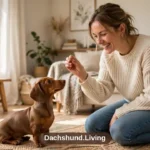


[…] which tires the brain beautifully. Start easy and increase difficulty as your dog learns. Our treats guide has healthy options for […]
[…] soft treats delivered within a second of the desired behavior build strong habits. Our notes on choosing treats for Dachshunds cover healthy, motivating […]
[…] a biscuit can undo a week, so tell the household the rule before the trial starts. My notes on the best treats for dachshunds cover which single ingredient options suit a small […]