
The first dachshund I bathed too often was not dirty. She just smelled like a dog, and I assumed a weekly bath would fix that. Two months later her coat looked dull, she scratched at night, and the smell came back faster than ever.
That taught me something I wish someone had told me at the start. With this breed, bath day is not about a calendar you copy from the internet. It is about the coat in front of you, the life that dog leads, and the state of the skin underneath.
My name is Umar, and I have lived with dachshunds for years. I am not a vet or a groomer by trade. I am just an owner who has made the common mistakes, learned from them, and settled into a routine that keeps coats shiny without wrecking the skin.
The quick answer
For most healthy adult dachshunds, every two to three months is enough. Some dogs need one a bit sooner, especially after a muddy week. Very few need one every week.
The American Kennel Club gives similar guidance in its advice on how often to wash your dog, pointing out that frequency depends on breed, coat, and lifestyle. It also warns that washing too often strips the oils that protect the coat. That matches what I saw at home.
Treat two to three months as your starting point, not a promise. A sofa dog in a flat stays clean for ages. A low belly dragging through wet grass after every walk is a different story.
Coat type changes everything
Dachshunds wear three very different coats, and they do not get dirty at the same rate. If you are not sure which type you have, my guide to dachshund coat types shows the differences side by side. Start there, then set your schedule.
Smooth coats
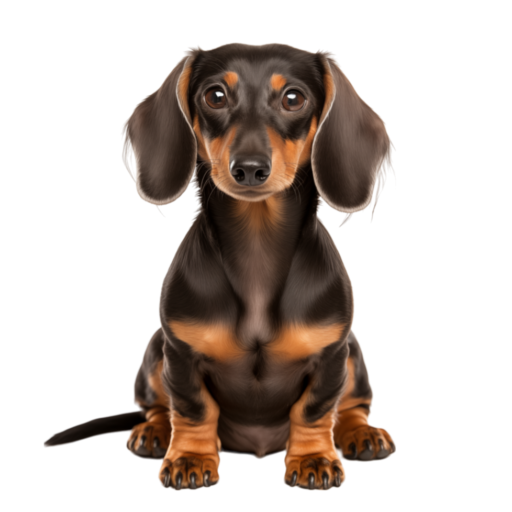
Smooth dachshunds are the easy ones. Short hair sheds most loose dirt on its own, and a wipe with a damp cloth sorts out dusty paws and a grubby chest. A full bath every three months suits most of them.
You will probably notice hair on your clothes long before you notice dirt on the dog. That is normal for this coat. If loose hair is your main headache, read my notes on whether dachshunds shed and why a weekly brush helps more than extra baths.
Longhaired coats
Long hair collects the world. My longhaired boy once came home with grass seeds in his ear feathering, a twig in his skirt, and a smell I could not place and did not want to. Longhaired dachshunds usually need a bath every six to eight weeks.
Brushing matters more than bathing here. Twice a week with a proper brush keeps the feathering behind the ears and under the belly from matting. A light dog conditioner can help with tangles, used sparingly and rinsed out fully.
Wirehaired coats
The wiry coat was built to shrug off dirt, and it does that job well. Plan on a bath every two to three months for most wirehaired dogs. Pick a shampoo made for harsh, wiry coats, because heavy moisturising formulas can soften the texture you want to keep.
Bathing is only part of wire coat care. These coats also need hand stripping or a proper trim to stay healthy, and that work follows its own timetable. My walkthrough on grooming a wirehaired dachshund covers that routine in detail.
Signs a bath is actually due
Forget the date for a second and use your nose. A healthy dachshund coat smells of very little. When a musty smell hangs around after a good brush, bath day has probably arrived.
Your hands tell you plenty too. A coat that feels greasy or sticky, looks dull, or leaves dirt on your fingers needs washing. Flakes in the hair can point the same way, though heavy flaking on its own deserves a closer look.
PetMD makes a similar point in its guide to how often to bathe your dog, listing odor and skin changes among the reasons a dog may need a bath outside the usual routine. Context matters, though.
A sudden, sharp smell from the ears or skin is not a bath problem. That one is for a vet.
How I do bath day
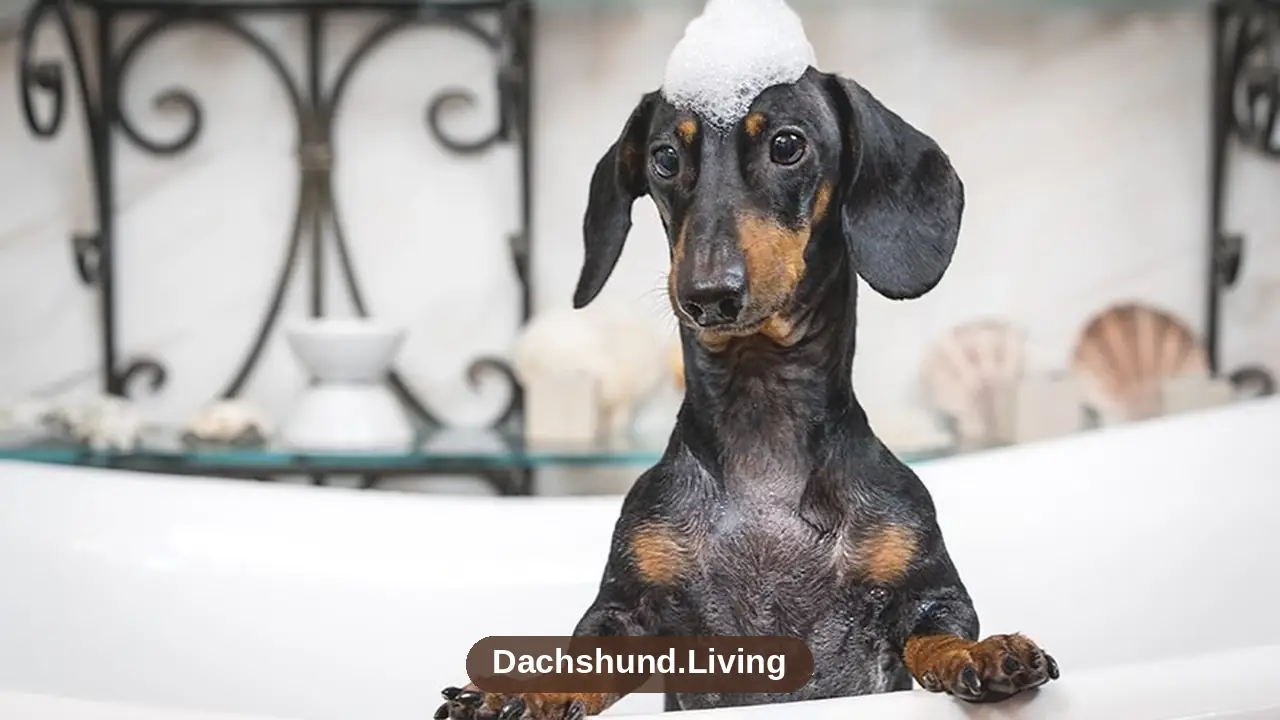
Calm baths are built before the tap turns on. I lay out the dog shampoo, a jug for rinsing, a non-slip mat, and two towels. Once a wet dachshund decides to shake, you will not have a free hand to fetch anything.
Brush first, always
Run a brush through the coat and tease out any tangles before water touches the dog. Water tightens mats and turns a small knot into a stubborn one. This step takes three minutes and saves ten later.
Put the mat in the tub or sink next. Dachshunds are low, long, and not built for scrambling on a slippery surface. A folded towel underfoot works if you do not own a mat.
Washing, slowly
Use lukewarm water and test it on the inside of your wrist. Too hot is miserable, too cold is a shock, and both make a dog dread the next bath. Wet the coat right through to the skin.
Work the shampoo in from the neck towards the tail, massaging with your fingers as you go. Leave the head until last, and clean the face with a damp cloth instead of pouring water over it. Ears stay happier that way, and so does the dog.
Only ever use shampoo made for dogs. Human shampoo has the wrong pH for dog skin, and dish soap is harsher still. A gentle oatmeal formula suits most dachshunds I have owned.
Rinse, then rinse again
This is the step owners rush, and it causes more trouble than any other. Shampoo left in the coat makes dogs itch, sometimes for days. Rinse until the water runs clear, then give it one more full minute.
Drying off
Squeeze the water out gently with a towel rather than rubbing hard, which tangles long coats. Then let the dog dry in a warm room with no draughts. Most of mine air dry in about half an hour.
I skip the hair dryer unless a dog already knows and likes it. Hot air can burn skin, and the noise alone puts many dachshunds on edge. Once the coat feels mostly dry, brush a longhaired dog through and check inside the ears for trapped moisture.
If you learn better by watching, the video above shows bathing technique and timing for different coat types. Watch the rinsing part closely. Seeing how long a proper rinse takes changed how I do it.
Puppies need less, not more
Young puppies get filthy, but their skin is tender. Before about eight weeks, a warm, damp cloth handles most messes. After that, one bath a month is plenty for most pups.
The real job at this age is trust. Keep the water shallow, keep your voice steady, and finish with a treat and a fuss. Never use flea or medicated shampoo on a young puppy unless your vet has told you to.
Getting set up properly helps here too. My new dachshund puppy checklist lists the grooming basics worth having ready before a puppy comes home. A soft brush and a gentle puppy shampoo belong on that list.
Mistakes I see again and again
Bathing too often sits at the top. Strip the oils away every week and the skin makes more oil to catch up, so the dog smells stronger, so you bath again.
I lived in that loop for two months. Breaking it took one simple change: waiting.
The wrong product is a close second. Strong fragrances and human products can leave a dachshund itchy for days, and owners often blame allergies or food. Before you change the diet, check what went on the coat.
The third mistake is bathing over a skin problem and hoping water will sort it. Red patches, sores, heavy flaking, bald spots, or hair coming out in clumps are not grooming issues. A bath can also wash away clues your vet needs to see.
If itching, redness, or flaking keeps coming back after a proper bath, or your dog seems sore or miserable, book a vet visit and describe what you have seen. Persistent skin trouble has many causes, from allergies to infection, and guessing at home rarely helps. Your vet can look at the skin properly and advise on next steps.
Between baths
Most weeks, your dachshund needs no bath at all. A brush, a paw wipe after muddy walks, and a damp cloth for a dirty beard keep things fresh. That small routine is why the two to three month gap works.
Bath day will never be your dachshund’s favourite day, and that is fine. Keep it calm, keep it rare enough to protect the skin, and rinse for longer than feels sensible. The zoomies around the living room afterwards almost make up for the wet sleeves.
Frequently Asked Questions
Can I bathe my dachshund every week?
For a healthy dog, weekly baths are usually too much and can dry the skin out. The exception is a medicated schedule your vet has set for a specific condition. Follow that plan if you have one.
What shampoo should I use?
Choose a shampoo made for dogs, ideally a gentle or oatmeal-based one. Never use human shampoo or dish soap. For medicated products, ask your vet first rather than guessing.
Does my dachshund need conditioner?
Smooth coats rarely need it. Longhaired dogs can benefit from a light dog conditioner to reduce tangles. Rinse conditioner out as thoroughly as shampoo.
What if my dachshund hates baths?
Start smaller than you think. Wash just the paws one day, reward well, and stop there. A non-slip mat, warm water, and short sessions build confidence over a few weeks.
Should I bathe before or after a trim?
Bathe first, then trim once the coat is clean and dry. Clean hair cuts more evenly and clippers move through it better. Smooth dachshunds seldom need a trim at all.