
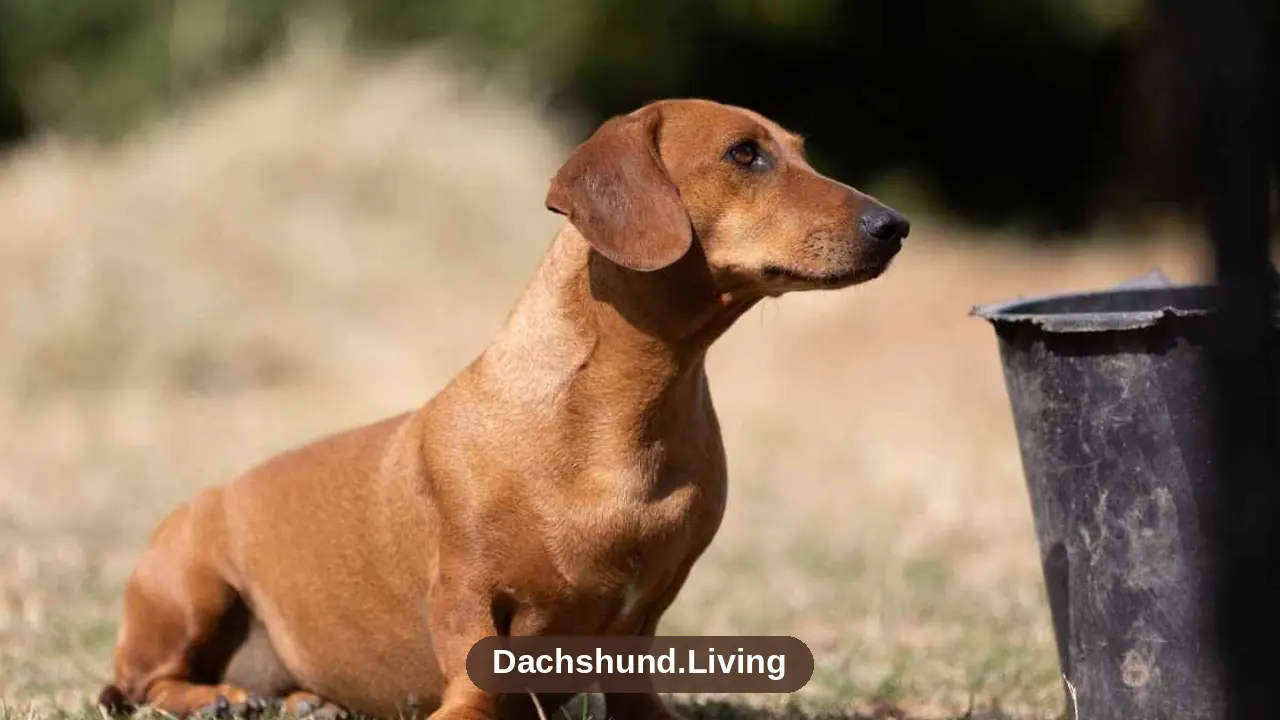

People ask me this question before almost anything else about the breed. How long will a dachshund actually be with us? The honest answer is a hopeful one, because this is a long lived breed by dog standards.
I should say this plainly at the start. I am not a vet, and this guide is not medical advice. I am Umar, a lifelong dachshund enthusiast who has lived with these dogs for years and learned to lean on good vets for the real decisions.
What follows covers the normal lifespan, miniature and standard differences, and the senior years from about age eight.
The Short Answer: 12 to 16 Years
Most healthy dachshunds live 12-16 years. That range shows up again and again in breed references, including the American Kennel Club dachshund breed profile, which lists the breed lifespan at 12-16 years. PetMD gives the same typical lifespan of 12-16 years in its dachshund health and care guide.
Some dachshunds reach 18, and a small number go further than that. Stories of dogs at 19 or 20 turn up in owner communities, and a few cases past 20 have been documented over the years. I treat those as lovely exceptions, not promises to plan around.
No honest person can give you an exact number for your dog. Genetics set a starting point, and then food, weight, activity, teeth, and vet care nudge things either way. Several of those levers sit in your hands every day.
Miniature or Standard: Does Size Matter?
Miniature dachshunds often live a touch longer than standards, usually by a year or so. The smaller body carries less weight on the same long spine, and that may help a little. The gap is modest, and plenty of standards reach 15 or 16 in good shape.
Mini dogs also gain weight on surprisingly little extra food, because their daily needs are small. A few careless treats can be a real share of a miniature’s day. Standards have more margin at the bowl, but extra weight loads their backs and joints harder when they do get heavy.
| Point to compare | Miniature dachshund | Standard dachshund |
|---|---|---|
| Typical lifespan | 12-16 years, often toward the upper end | 12-16 years, often mid to upper range |
| Reaching 18 | Not common, but seen in well kept minis | Less common, but within reach for a lean, active dog |
| Weight watch note | Gains fast on small extras, so measure meals | More food margin, but extra weight loads the back |
| Main lifespan risks | Obesity, dental disease, IVDD complications | Obesity, dental disease, IVDD complications |
Read that table as a rough guide, not a scorecard. I have seen chunky minis struggle at ten and lean standards trot happily at fifteen.
What Can Shorten a Dachshund’s Life
Nothing on this list is meant to frighten you. These risks come up most often for this breed, and naming them early gives you time to act.
Extra weight, day after day
Obesity is the quiet problem I worry about most in this breed. Extra pounds press on the long spine and the joints, and they raise the risk of diabetes and heart strain too. PetMD notes that dachshunds are prone to obesity, in part because their size is small and some exercise has to stay controlled to protect the back.
A lean dachshund moves through life with less strain on every system. If you cannot feel the ribs easily, or the waist has vanished from above, that is worth a calm talk with your vet. Our guide on how much a dachshund should weigh walks through the rib and waist checks in simple steps.
IVDD and its complications
Intervertebral disc disease, usually shortened to IVDD, is the breed’s best known health problem. A disc in the spine bulges or ruptures, and that can cause pain, wobbly back legs, or in severe cases a loss of movement. PetMD reports that as many as 25 percent of dachshunds develop IVDD in their lifetime, which is why back care gets so much attention here.
An IVDD episode does not always shorten life on its own, especially when it is treated fast. The trouble comes from complications, repeated episodes, pain that limits movement, and weight gain during long rest periods. If your dog yelps, hunches, or drags a paw, treat that as urgent and call your vet the same day.
Our guide to dachshund IVDD and back problems covers the warning signs and first steps. Every owner should read it once before they ever need it.
Dental disease that spreads
Small mouths crowd a full set of teeth into tight space, so plaque and tartar build up fast in dachshunds. Sore gums and infected teeth hurt, and mouth bacteria can travel through the bloodstream to the heart, kidneys, and liver over time. Dental disease rarely announces itself loudly, so many owners miss it until eating becomes painful.
The fix is unglamorous and it works: brushing at home, checks at routine visits, and cleanings when your vet advises them. Our dachshund dental care guide shows how to start without a daily battle.
Too little movement
A dachshund who barely moves loses muscle, gains weight, and gets bored in ways that show up as barking or chewing. Weak muscles also support the spine less well, which matters a great deal in a long backed dog. Inactivity rarely harms a dog in one week, but month after month it chips away at health.
Missed vet visits add a quieter risk, letting small heart, kidney, or thyroid changes grow in silence. Falls and foods or chemicals left within reach add their own toll at home.
What Helps Stretch Those Years
The habits that support a long life in this breed are ordinary, cheap, and mostly enjoyable for the dog. Keeping your dachshund lean is the single habit that helps the most. Everything in this section builds on that one idea.
Feed measured meals, not guesses
Choose a complete food that suits your dog’s age and size, and measure it with a cup or a small scale. Bag charts are a starting point only, because neutered, older, or quiet dogs often need less than the chart suggests. Ask your vet for a daily calorie target and write it on the food bin.
Treats count toward that total, so keep them small. I use part of the normal meal as training rewards instead.
Protect the back in small ways
Ramps beside the sofa and bed spare the spine dozens of small jolts every week. Pick your dog up with one hand under the chest and one under the rear, so the back stays level and supported. Discourage launching off furniture, racing down stairs, and rough twisting games, even when your dog begs for them.
Good muscle tone is back protection too. Regular walks on flat ground build the muscles that hold the spine steady.
Brush the teeth, a little and often
Dental care belongs on the stretch list too, not just the risk list. Brush a few teeth at a time, lift the lip weekly to check for red gums, and book cleanings when your vet advises them.
Stay current with vet checks
An annual checkup catches weight creep, tooth trouble, heart murmurs, and lumps while they are still small. Blood work adds a look at the kidneys, liver, and blood sugar that hands and eyes cannot give. Vaccines and parasite control belong in that routine too.
In the senior years, twice yearly visits are the pattern many vets suggest, since a six month gap catches change sooner. Bring a short list of anything new, even small things like drinking more.
Senior Milestones, Year by Year
Most dachshunds count as senior from about age eight, though change arrives gradually and at a different pace for each dog. Eight is not old age itself. It is the point where closer watching starts to pay off.
Around age 8: the early signs
The first grey hairs usually show on the muzzle and around the eyes. Your dog may still run the house like a puppy, but naps get a little longer and recovery after a big day gets slower. This is a good age to start twice yearly vet visits and a baseline blood panel if your vet agrees.
Ages 9 to 10: a slower gear
Walks often shorten by choice, and stairs or cold mornings may need more thought. Some dogs gain weight as activity dips, so portions may need a small trim to hold the waist. Eyes can look slightly cloudy and hearing can soften, and a vet can sort normal ageing from changes that need treatment.
Ages 11 to 12: comfort comes first
Stiffness after rest, thinner muscle on the back legs, and deeper sleep are all common in this stretch. Soft, warm bedding in a draft free spot helps joints, and a ramp that felt optional at seven can feel essential now. Keep walks going, but let your dog set a gentler pace.
Ages 13 to 14: close, gentle care
Many dogs in this bracket sleep much of the day and save their spark for meals, visitors, and favourite spots in the sun. Appetite, thirst, toilet habits, and new lumps are worth noting and mentioning at each visit. Our senior dachshund care guide goes deeper on food, bedding, and home tweaks for this stage.
Age 15 and beyond: good days, watched kindly
A dachshund at 15 or beyond has had a long life by any measure. Some stay bright and bossy, while others need help with steps and vet guided pain control. I judge by quality, not the calendar: eating with interest, moving with comfort, and enjoying company matter most.
None of these brackets are rules. A lean 13 year old can look younger than a heavy, sore 9 year old, so trust what your own dog shows you.
Frequently Asked Questions
How long do miniature dachshunds live?
Miniature dachshunds typically live 12-16 years, like standards, and they often land toward the upper end of that range. Some reach 17 or 18 with lean weight, clean teeth, and regular vet care. Size helps a little, but daily care matters far more.
When is a dachshund classed as senior?
Most dachshunds count as senior from about age eight. That is the age to start closer watching and twice yearly checkups with your vet. Your dog may still act young for years after that point.
What is the oldest a dachshund can live?
A few dachshunds have been documented past 20 years, though that is rare. Reaching 17 or 18 is a more realistic top end for a well kept dog. Plan for the normal range and enjoy any extra years as a gift.
Does spaying or neutering change lifespan?
It can remove some cancer and infection risks, and many vets link it with a slightly longer life on average. Timing also affects growth, so it is a choice to make with your vet for your own dog. There is no single right age for every dachshund.
What one habit helps a dachshund live longest?
Keeping your dog lean helps more than any supplement or special product I know of. A healthy weight protects the back, joints, heart, and teeth all at once. Pair it with daily walks and regular vet visits, and you have covered the basics well.
More Good Years, Plain and Simple
The dogs who reach 18 tend to share a plain pattern. They stayed lean, they moved every day, their teeth got attention, and their owners noticed small changes early. None of that needs special talent, just steady care.
I cannot promise you a number, and I would not trust anyone who does. What I can say is that the years are not fixed on the day your puppy comes home. You help write them, one measured meal and one good walk at a time.


[…] Most cases appear between the ages of three and eight, though it can happen younger or older. For more on how long dachshunds typically live and what the later years look like, see our guide to the dachshund lifespan. […]
[…] a diagnosis of anything. Many dachshunds stay bright and busy well past ten, and it helps to know how long dachshunds live so you can plan for a long runway […]
[…] can make eating painful. Keeping the mouth healthy is one of the simplest ways to support a long, healthy life for your dachshund, and it is a habit worth building […]
[…] lifelong feeding have linked lean dogs with a longer, healthier old age, and the pattern I see in how long dachshunds live points the same […]