
I found out my dachshund had sore gums because of a kiss. She jumped up, licked my chin, and the smell nearly knocked me back.
It was not normal dog breath. It was sour, stale, and strong enough to linger.
At her check-up, the vet lifted her lip and showed me hard, brown tartar along the back teeth. She was not yet four. I had brushed her teeth maybe six times in her life, and I stood there feeling I had let her down.
My name is Umar. I have kept dachshunds for years, but I am not a vet, and this guide is not veterinary advice. It is what I do at home now, what I watch for, and where I stop and hand the job to a professional.
Why small mouths get into trouble
An adult dachshund has 42 teeth, the same number as a much bigger dog, fitted into a long, narrow jaw. Teeth sit close together. Food, hair, and plaque collect in the tight gaps, and a brush does not reach every surface easily.
Plaque is the soft film that forms on teeth every day. Leave it for a day or two and it hardens into tartar, which you cannot brush away at home. Tartar has a rough surface, so more plaque sticks to it, and the gums next to it get sore.
Sore gums are the start of periodontal disease, the name for infection and damage around the tooth. The AVMA notes on its pet dental care page that periodontal disease is the most common clinical condition in adult dogs and cats, and that most dogs show some evidence of it by age three. Those numbers changed how seriously I take two minutes with a toothbrush.
This is not just about smell. A sore mouth can make chewing hurt, and dogs often keep eating while quietly favouring one side. Looking after teeth is one part of supporting a long, healthy life for a dachshund, alongside weight, exercise, and regular check-ups.
Signs I watch for
Dogs rarely tell you a tooth hurts. They go quieter, chew differently, or put up with it. So I do a quick mouth check once a week, in good light, when my dog is sleepy and relaxed.
Breath that keeps getting worse
A bit of dog breath after dinner is unremarkable. Breath you can smell from the other end of the sofa, day after day, is different. Persistent bad breath often goes with plaque, tartar, and inflamed gums, and it is worth getting checked.
Red gums, tartar, or blood
Healthy gums look pink and firm. Redness along the gumline, puffy gums, or gums that bleed when your dog chews point to gingivitis, the early stage of gum disease. Yellow or brown crust on the teeth, especially near the gums, is tartar.
A loose tooth, a broken tooth, or a dark tooth also needs a vet, not a wait-and-see approach. I do not poke at those. I note what I saw and book the appointment.
Eating changes and pawing
Dachshunds love food, which makes changes easy to spot. Dropping kibble, chewing on one side, taking longer over meals, or turning away from hard treats can all signal mouth pain. So can pawing at the face, rubbing the muzzle on the floor, drooling more than usual, or flinching when you reach for the head.
Brushing at home, the way that stuck
Brushing removes plaque before it hardens, and nothing else I do at home does that job as well. My first attempts failed because I went straight in with a brush and a determined look. My dog backed under the table and that was the end of it.
Kit that works for a small mouth
You need a small dog toothbrush or a finger brush, plus toothpaste made for dogs. Dog toothpaste is safe to swallow and comes in flavours like poultry that dogs actually like. Never use human toothpaste, as it can contain fluoride and, in some products, xylitol, both of which are unsafe for dogs to swallow.
I keep the brush and paste in a mug next to the treat jar. Brushing ends with a small treat in our house, and my dog now trots over when she hears the mug move.
Week one is not brushing week
For the first few days, skip the brush. Let your dog lick a pea-sized dab of toothpaste from your finger, lift a lip for two seconds, then reward and stop.
Short, boring, successful. That is the goal.
Next, touch the teeth and gums with your finger for a few seconds at a time. When that gets a yawn instead of a wriggle, try the brush with no paste for ten seconds. Most dogs I know accept short sessions within two weeks if nobody rushes this stage.
The two-minute routine
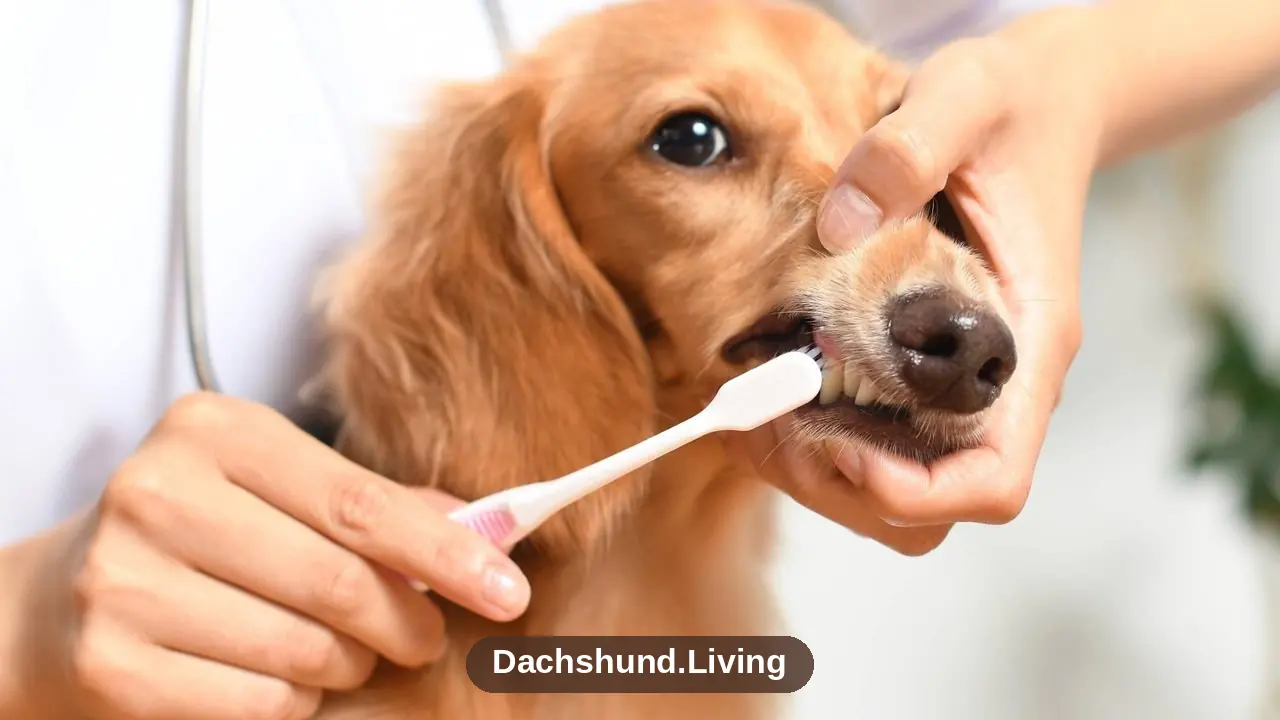
Aim for the outer surfaces of the teeth, where they meet the gums, and pay extra attention to the big upper back teeth. Tartar builds fastest there. Use small, gentle circles at the gumline, about 30 seconds a side.
Daily brushing is the habit that makes the biggest difference. If daily is not realistic, three or four times a week still helps far more than a heroic scrub once a month. The AKC sets out the same technique in its step-by-step guide to brushing a dog’s teeth, which is worth saving if you want pictures to follow.
The video above shows the angle and pressure to use on a small dog. Watching someone else do it once made my own sessions calmer.
Chews, toys, and food
Chews can help scrape some plaque off, but they do not clean at the gumline where disease starts. I treat them as back-up, never as the plan. Choose chews made to support dental health, supervise your dog with them, and throw away pieces small enough to swallow whole.
Skip anything rock hard. Antlers, cooked bones, and very hard nylon toys can crack teeth, and a cracked tooth is painful and expensive. If you cannot dent a chew with a thumbnail, I would think twice before handing it over.
Choosing from my list of dental-friendly treats for dachshunds keeps rewards sensible for a breed that gains weight easily. Portion still counts. A dental chew is food, so trim the meal a little on chew days.
Day-to-day diet matters too, which is why what you feed a mini dachshund deserves some thought beyond teeth alone. Crunchy kibble may shift a little surface plaque, but it does not replace brushing. No food I have tried does.
When the vet needs to take over
Once tartar is on the teeth, home brushing will not remove it. A professional cleaning under anaesthesia lets the vet clean above and below the gumline and check each tooth closely. X-rays are sometimes taken to look at roots you cannot see.
Anaesthesia worries many owners, me included the first time. Ask your vet how they monitor dogs during the procedure and what pre-checks they run for your dog’s age and health. A good vet answers those questions plainly and without rushing you.
Please do not try to chip tartar off at home with metal tools. It is easy to slip, cut the gum, or scratch enamel, and it leaves the problem below the gumline untouched. I have also been wary of cleanings offered without anaesthesia, as they cannot properly clean under the gums where periodontal disease does its damage.
Most vets check teeth at the annual visit and will tell you if a cleaning is due. For many dachshunds, that yearly look is what catches a small problem while it is still small.
Put the date in your phone. I forgot once and will not again.
Older dogs, closer watch
Senior dachshunds often carry years of tartar, some gum recession, and worn teeth, even in homes that brushed well. They also hide discomfort. An old dog who eats slowly may be coping, not content.
Keep brushing gently if your vet is happy for you to do so, and watch meals more closely than you did at age five. Softening food can help a sore dog eat tonight. It does not treat the sore mouth, so still get it checked.
Fitting it into real life
My routine survives because it is attached to things I already do. Teeth happen after the evening walk, on the sofa, before the treat jar opens. On bath weekends, teeth join the same grooming session, which is why knowing how often to bathe a dachshund helped me build one simple rhythm for both jobs.
A quick note before the questions below: I am an owner sharing home care, not a clinician, and nothing here diagnoses your dog. If you see persistent bad breath, red or bleeding gums, a loose or broken tooth, swelling, or any change in eating, please check with your own vet about it promptly. They can examine the mouth, advise whether treatment is needed, and tell you what is safe for your individual dog.
Frequently Asked Questions
How often should I brush?
Daily is ideal, and it is what most vets advise. Three or four times a week is a solid fallback. Regular gentle brushing beats a long session now and then.
Can I use my own toothpaste?
No. Human toothpaste is not made to be swallowed, and dogs always swallow it. Use an enzymatic dog toothpaste in a flavour your dog likes.
Are dental chews enough by themselves?
No. Chews reduce some surface plaque, but they miss the gumline. Keep them as a helpful extra alongside brushing and vet checks.
How will I know if a professional cleaning is due?
Only a vet can judge that after examining the mouth. Visible tartar, lasting bad breath, and red gums are common reasons one is advised. Ask at your annual visit if you are unsure.
My dog will not let me near her mouth. Any hope?
Usually, yes, with a slower start. Go back to lip lifts and toothpaste from a finger for a week, rewarding calm behaviour. If that still fails, ask your vet about wipes or other options suited to your dog.