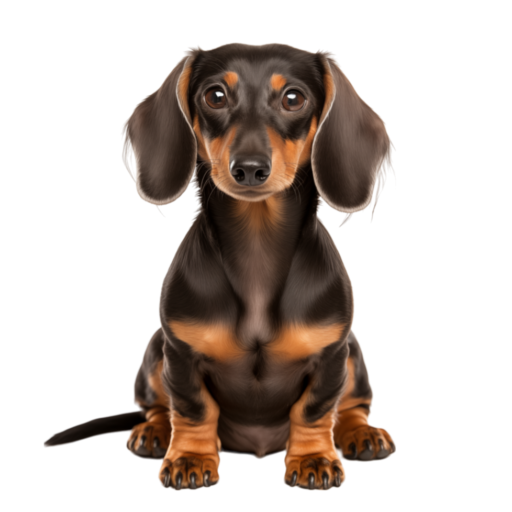
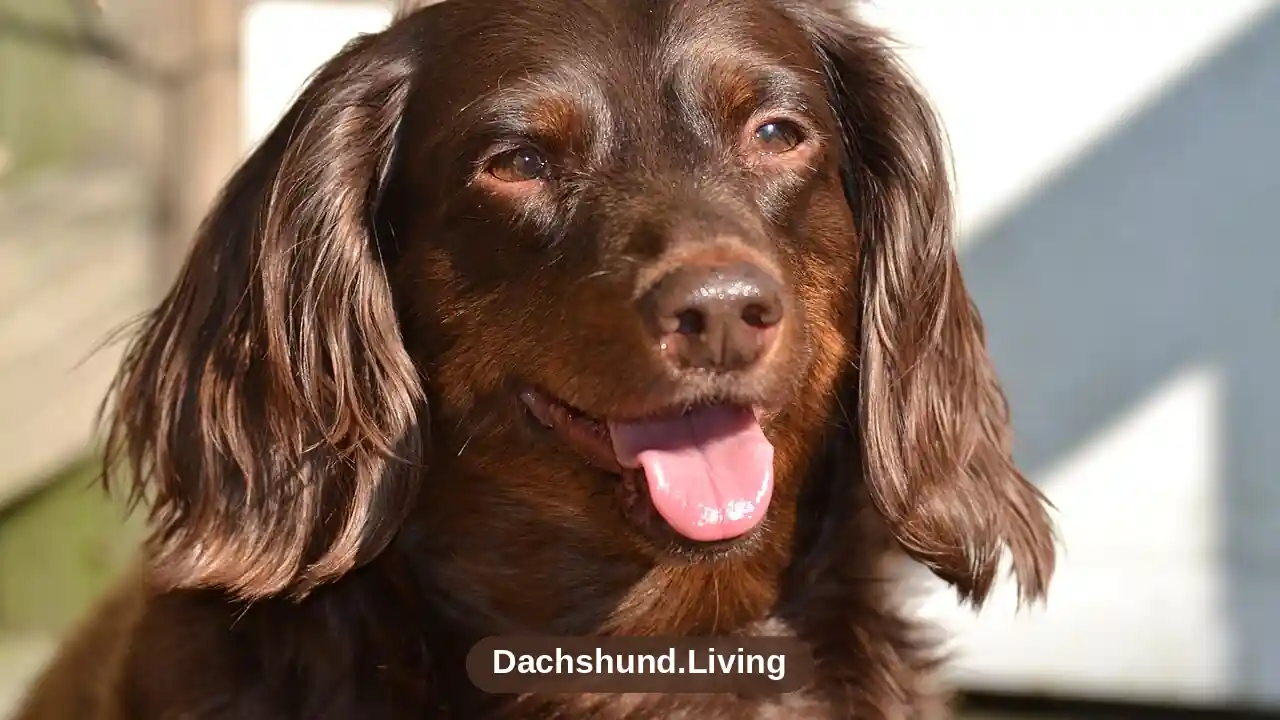

I look at my dachshund’s eyes every single day, usually without thinking about it. They are right there at face level when he props his chin on my knee and gives me that long, hopeful stare that means a walk or a snack might be coming.
That daily closeness is useful. A small change stands out fast, like a new haze in the pupil, extra discharge, or one eye held half shut after a garden run.
Dachshunds are not the breed people first name for eye trouble. Still, this breed has a real list of eye problems worth knowing, and some move quickly if you wait.
The Signs I Actually Notice First
Most eye problems start with behaviour, not drama. Mine once began pausing at the bottom of the stairs in the evening, then took the last step like he was testing ice.
Other signs are just as ordinary. A dog who always caught a tossed treat starts missing it, walks closer to walls, startles when a hand comes in from one side, or loses a ball that rolls into a dim corner.
Then there are the signs you see in the eye itself. Cloudiness, a blue or white haze, redness, thick discharge, squinting, pawing at the face, and one pupil that looks bigger than the other all belong on that list.
Cataracts: The Cloudy Lens
A cataract is a clouding of the lens inside the eye. The lens sits behind the pupil and focuses light, so when it turns milky, the world on the other side of it gets blurry and then, in advanced cases, goes dark.
Owners usually spot the look first. The pupil, which should be black, starts to show a white, grey, or blue white centre that can look almost crystalline in bright light.
Cataracts in dogs can be inherited, linked to diabetes, caused by injury or inflammation inside the eye, or arrive with age. The American Kennel Club guide to cataracts in dogs explains the stages well, from small early spots that barely affect sight to mature cataracts that take vision in that eye.
Cataract or Just Normal Ageing?
Older dogs often develop nuclear sclerosis, a soft blue haze in the lens that comes with age. It looks a lot like a cataract to an owner, including me, but it usually does not block vision in any serious way.
I cannot tell the two apart at home. A vet can, with a proper exam and a light shone into the eye at different angles, and that difference matters for what happens next.
Surgery, when it is an option, is done by a veterinary ophthalmologist. The cloudy lens is removed and often replaced with an artificial one, and good candidates can see clearly again, sometimes the same day.
Progressive Retinal Atrophy, or PRA
Progressive retinal atrophy is a group of inherited conditions where the retina slowly breaks down. The retina is the layer at the back of the eye that turns light into signals, so when it fails, no lens surgery can fix what is lost.
The first sign is almost always night blindness. A dog who was fine on evening walks starts hesitating in dim rooms, misjudges the step down to the garden after dark, or waits for you to turn a light on before he will move.
Over months, daytime vision fades too. Owners also notice wide pupils and eyes that shine more than usual in photos, because the thinning retina reflects more light back out.
Miniature dachshunds are one of the breeds known to carry forms of PRA, which is one reason I ask about eye testing whenever puppy health comes up. There is no cure yet, but an early diagnosis helps you plan, keep routines steady, and rule out other causes of vision loss.
Dry Eye, Known as KCS
Dry eye has a long name, keratoconjunctivitis sicca, and most vets just call it KCS. It means the eye is not making enough of the watery part of tears, so the surface dries out and gets sore and inflamed.
This one announces itself with mess. Thick, sticky, yellow green discharge that returns within hours of cleaning, dull eyes, and redness are classic. Mine also blinked a lot and rubbed his face along the sofa, which I first blamed on an allergy.
The VCA Hospitals page on dry eye in dogs explains that the most common cause is the immune system attacking the tear glands. Certain medicines, infections, and nerve damage can also play a part.
Treatment is normally daily medication that encourages the glands to make tears again, plus lubricating drops. It is a long term routine, and stopping early lets the surface get damaged again.
Cherry Eye: The Red Lump in the Corner
Cherry eye looks alarming and is hard to miss. A smooth, pink red lump pops up in the inner corner of the eye. It is a gland from the third eyelid that has slipped out of place, and it can appear quite suddenly, often in a young dog.
It does not usually seem painful at first, which tempts owners to wait. Please do not wait long. That gland helps make tears, and while it sits out of place it can swell and add to later dry eye trouble.
The modern fix is surgery that tucks the gland back where it belongs and stitches it in place. Older treatment removed the gland, but vets avoid that now where possible, because removing it raises the risk of dry eye later in life.
Glaucoma: Brief, Because It Is Urgent
Glaucoma is high pressure inside the eye. Fluid keeps being made but cannot drain properly, the pressure builds, and it damages the retina and the optic nerve. It can follow a cataract or inflammation, or arrive on its own.
I keep this section short on purpose, because glaucoma is not a read and research condition. A red, painful, cloudy eye, a pupil that stays wide, a dog holding the eye shut or pressing his head into your hand: that is a vet visit today, not this week.
Vets treat glaucoma with pressure lowering drops, and in severe cases with surgery. Hours matter. Vision lost to high pressure usually does not come back.
Which Signs Mean Same Day?
After a few scares, I made myself a simple rule, and I keep it on the fridge. Sudden cloudiness, a red painful eye, or a dog suddenly bumping into things means a same day vet call. No home drops, no waiting to see how the weekend goes.
Squinting that lasts more than a few hours belongs in the same group. So does a visible lump, a scratch you saw happen, thick discharge with a dull eye, or one eye that suddenly looks bigger than the other.
Slower changes can wait for a normal appointment, but not for months. A gradual haze, mild night hesitation, or extra morning discharge should still be booked in within a week or two.
What the Vet Actually Does
A good eye exam is more hands on than owners expect. My vet watches the dog walk in, then checks how he tracks a silent falling cotton ball, which tests vision without sound or smell helping.
Next comes a bright light exam in a dimmed room, to check the lens, pupil responses, and the back of the eye. Pressure is measured with a small device touched lightly to the surface, and a tear test or a harmless orange stain may follow.
Sometimes the answer is drops and a recheck in two weeks. Sometimes it is a referral to a veterinary ophthalmologist. I have learned to welcome referrals, because specialist kit really changes the options with eyes.
Everyday Care at Home
I wipe normal morning discharge away with a damp cloth, a fresh section for each eye. I also fold eye checks into the health jobs I already do.
Teeth, weight, ears, and eyes all get looked at in the same weekly once over, much like the routine I describe in my guide to dachshund dental care. The same goes for ear care and infections, which is easy to forget until there is shaking and scratching.
Keeping weight sensible helps more than people think, since diabetes is one of the roads to cataracts. My notes on how much a dachshund should weigh are the reason the treat jar in our house now has a lid my dog has strong opinions about.
For a dog already losing vision, keep furniture where it is, block stairs until he is confident, and talk before you touch him so he is not startled. Those habits overlap a lot with the adjustments in my senior dachshund care guide, and they matter even more for a dog who also needs to protect his back, as I wrote about with IVDD and back problems. Ramps beat jumping, every time, for both problems.
Frequently Asked Questions
Are dachshunds prone to eye problems?
Yes. Miniature dachshunds in particular are known for inherited retinal disease, and the breed can also develop cataracts, dry eye, cherry eye, and glaucoma. Regular vet checks catch most of these early.
How can I tell a cataract from normal ageing?
Honestly, you often cannot, and neither could I. Nuclear sclerosis gives a soft blue haze and usually spares vision, while a cataract looks whiter and denser and blocks sight over time. Only an eye exam can separate them with confidence.
Can cataracts in dogs be cured without surgery?
No drop has been proven to dissolve a cataract. Surgery is the only treatment that restores sight, and not every dog is a candidate. Many dogs with cataracts are kept comfortable with monitoring and anti inflammatory drops instead, and cope well.
Is a red eye always an emergency in a dachshund?
Not always, but treat it as urgent until a vet says otherwise. Redness with pain, cloudiness, squinting, or vision change can signal glaucoma or a scratch, and both get worse fast. A same day call is the safe move.
How often should my dachshund’s eyes be checked?
At least once a year at a routine vet visit, and twice a year for seniors is even better. Go sooner for any change in look or behaviour, however small it seems. Eyes reward owners who act early.
One last thing, and I mean it. I am an owner, not a vet, and this article is only what I have learned from living with dachshunds and asking a lot of questions at appointments. If your dog’s eyes change in any way, get them checked promptly by your own vet, because no article can look into your dog’s eyes for you.