
The first snow of last winter, my smooth coat boy got two steps out of the door, looked at the white garden, and reversed back inside. No argument, just a flat refusal and a hard stare at the radiator.
I laughed, then picked him up and felt how fast he was shivering. That scene taught me more about dachshund winter care than any chart ever had.
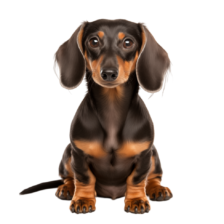
These are small, low dogs with a long body and short legs. Winter reaches parts of them that taller dogs keep well clear of the ground.
Why Winter Hits a Low Dog Hard
A dachshund chest and belly ride only a few inches above the ground. On a snowy or wet pavement, that belly is dragging through slush, brushing frozen grass, and picking up cold with every step.
Cold air settles low, too. The layer your dog walks in on a frosty morning is the coldest on the street, and wind cuts straight under that long body.
Wind is the part most owners underrate, because it strips warm air off the body faster than still cold ever can. A calm frosty morning and a windy one at the same temperature feel like different seasons to a low dog, so I check the wind as well as the temperature before deciding on a coat or a walk length. Shelter matters too: a route with hedges and walls between your dog and the wind is kinder than an open field on the same cold day.
Cold Tolerance by Coat Type
Not every dachshund feels winter the same way, and coat is the biggest reason. If you are new to the breed, my guide to the three dachshund coat types explains how different those coats really are.
The smooth coat feels the cold first. That short, tight hair offers almost no barrier, so a smooth dachshund shivers early. Mine starts trembling at temperatures where I am still fine in a light jacket.
Longhaired dachshunds cope a little better. The longer coat traps some warm air and keeps light snow off the skin for a while, though it soaks through in wet weather and holds the damp against the body afterwards.
Wirehaired dachshunds are the hardiest of the three. That dense, rough coat shrugs off wind and drizzle better than the others, and the undercoat adds a real layer. Hardy is relative here, though, because the low belly problem applies to all three.
| Coat type | Cold tolerance | What helps most |
|---|---|---|
| Smooth | Lowest, shivers first | A coat on most winter walks |
| Longhaired | A little better | A coat in wind, wet or deep cold |
| Wirehaired | Best of the three | A coat in severe cold, and for seniors |
When a Coat Is Needed, and When It Is Optional
I used to think dog coats were decoration. One winter with a smooth coat changed my mind, and the American Kennel Club winter safety advice says much the same thing: small and short haired dogs should be bundled up in cold weather.
A coat is genuinely needed when your dog is shivering, when the wind is up, when it is wet as well as cold, and on longer outings in freezing weather. Puppies, seniors, and unwell dogs need one sooner than a fit adult.
It is optional on a mild, dry day for a quick toilet trip round the garden. A healthy wirehaired dog on a short, brisk walk in sunshine may be happy without one, and forcing layers on a warm dog helps nobody.
How I Size a Dachshund Coat
Standard small dog sizes rarely fit this breed. One sized by weight ends halfway down the back, and one sized by length hangs loose.
Measure two things before you buy. First, the chest at its widest point, just behind the front legs, snug but not tight. Second, the back length, from the base of the neck to the base of the tail, while your dog stands normally.
Look for dachshund length fits, because that extra body length is the whole point of the breed. The coat should cover the back and most of the chest, sit clear of the ground, and never drag, since a dragging hem trips short legs and soaks up slush.
Check the underside too. The belly strap and rear edge must leave the toilet area completely free, or you will wash the coat after every walk. I also run two fingers under the neck and chest straps to check nothing rubs.
Paw Care on Salt and Ice
Winter pavements are rough on small paws. Road salt and chemical de-icer can crack and burn the pads, and the sting makes dogs lick hard at their feet once they get home, which puts those chemicals in the mouth as well.
The ASPCA cold weather safety tips back the routine I follow: wipe or wash paws, legs, and belly after every winter walk. A bowl of lukewarm water and a towel by the door make it a one minute job.
Longhaired owners get one extra job. Snow packs into the feathering between the toes and freezes into ice balls that splay the toes and hurt with every step. I pick them out with warm fingers mid walk, and trimming that hair short makes them form less often.
Paw balm helps dogs who will not wear boots. A thin layer before we go out protects the pads against salt, and another after the rinse helps if the pads look dry.
Boots give the best protection, for dogs who tolerate them. Mine walked like a cartoon horse for two indoor sessions, then forgot them on a salty pavement. Introduce boots at home, briefly, with treats, never first at the door on a freezing morning.
A Smarter Winter Walk Plan
I swap one long walk for shorter, more frequent outings in deep winter. Three short walks wear a dog out far better than one miserable hour that ends with both of us frozen.
Timing helps more than people expect. Late morning, the warmest part of the day, can feel like a different season compared with a dawn walk in hard frost.
Shivering is my stop signal, and the walk ends when it starts, whatever the plan said. Lifting paws one after another, slowing down, whining, or trying to climb my leg all mean the same thing in our house.
Age changes the maths. Puppies lose heat fast, and seniors feel cold in stiff joints early. My old boy follows the gentler routine in my notes on senior dachshund care, and on bitter days he gets a garden trip and a warm bed instead.
Cold mornings are also when stiff joints show themselves first. A senior who is slow to rise, takes a few minutes to loosen up, or hesitates at the first step may be feeling arthritis rather than ordinary age, and cold makes it worse. My guide to arthritis in older dachshunds covers the early signs and what helps, and a vet check beats guessing when stiffness lasts past the first few minutes of the day.
Wet deserves a warning of its own. A soaked coat in cold wind chills a small dog faster than dry cold, so rainy winter days get the shortest walks, then a proper towel dry afterwards.
Drinking is the quiet winter problem, because dogs drink less in the cold while heated indoor air dries them out at the same time. I keep the water bowl fresh and check it twice a day, since a bowl left by a cold door can sit untouched for hours. My notes on how much water a dachshund should drink cover the daily amounts and the signs of drinking too little, and a dog who will not drink at all needs a vet, not a new bowl.
Holiday Hazards in a Busy House
Winter brings the holiday season into the house, and a low dog with a famous appetite is suddenly living at snack height. I keep this list short and plain, because these are facts, not festive colour.
Chocolate is poisonous to dogs, and so is xylitol, the sweetener in many sugar free sweets, gums, and some peanut butters. Advent calendars, gift boxes, and sweet bowls left on low tables are all within easy dachshund reach.
Cooked turkey and chicken bones splinter and can injure the throat and gut, so bones go straight into a closed bin. Tinsel and ribbon cause trouble if swallowed, so decorations a dog chews need moving up and out of reach.
Guests change the house too. Doors get left open, and a small dog can slip out into the cold in seconds, so I use a stair gate and warn every visitor.
Antifreeze is the quiet one. It tastes sweet to dogs and is lethal even in small licks, so I wipe up every spill in the garage and on the drive at once. If you suspect your dog has swallowed any of these things, call your vet immediately.
One small choice lowers the risk a lot. The ASPCA cold weather safety tips suggest using antifreeze products made with propylene glycol rather than ethylene glycol, because propylene glycol is far less toxic if a dog does lick a spill. The same page warns that ice melts can be dangerous when swallowed, so pet safe de-icers are worth the extra cost on your own drive, and the paw rinse after every walk still matters even then.
Storm Days: Indoor Games That Work
Some days the weather simply wins. A dachshund who misses his walk will find his own work by evening, usually the skirting board or the laundry pile, so I plan the indoor games before the storm, not after the damage. I keep a small rotation of backups ready, because a bored dachshund invents his own entertainment and I rarely like his ideas.
Sniff games are my first choice. I hide treats in rolled towels, under cups, or in a snuffle mat, and let that hunter nose work. Ten minutes of searching tires my boy out, and it fits the needs in my piece on dachshund exercise needs.
Hallway fetch works too, with rules. I throw low and along the floor, never up, so there is no jumping or twisting in the air. A soft ball on carpet and a rug at the far end keep legs and back safe.
Food puzzles fill the gaps. A stuffed toy, a lick mat, or dinner in a puzzle feeder turns five minutes of eating into twenty of quiet focus. On storm days I feed most of the evening meal this way.
One seasonal note: indoor heating and less frequent bathing can dry the skin. If flakes appear, my notes on whether dachshunds shed cover what is normal for each coat type, and a vet visit beats guessing when scratching starts.
Frequently Asked Questions
How cold is too cold for a dachshund?
There is no single number, because coat, age, wind, and wet all change it. As a rough guide, most dachshunds want a coat and shorter walks once it drops near freezing, and in severe cold I keep outings to quick toilet trips only.
Does my dachshund really need a coat?
A smooth coat almost always does in winter. Longhaired and wirehaired dogs need one in wind, wet, or deep cold, and puppies and seniors need one sooner. If your dog shivers or keeps turning for home, that is your answer.
How do I protect paws if my dog hates boots?
Use paw balm before walks and rinse or wipe the paws, legs, and belly as soon as you come in. Keep the hair between the pads trimmed to stop ice balls forming, and choose quieter streets where less salt and de-icer has been spread.
Can dachshunds play in the snow?
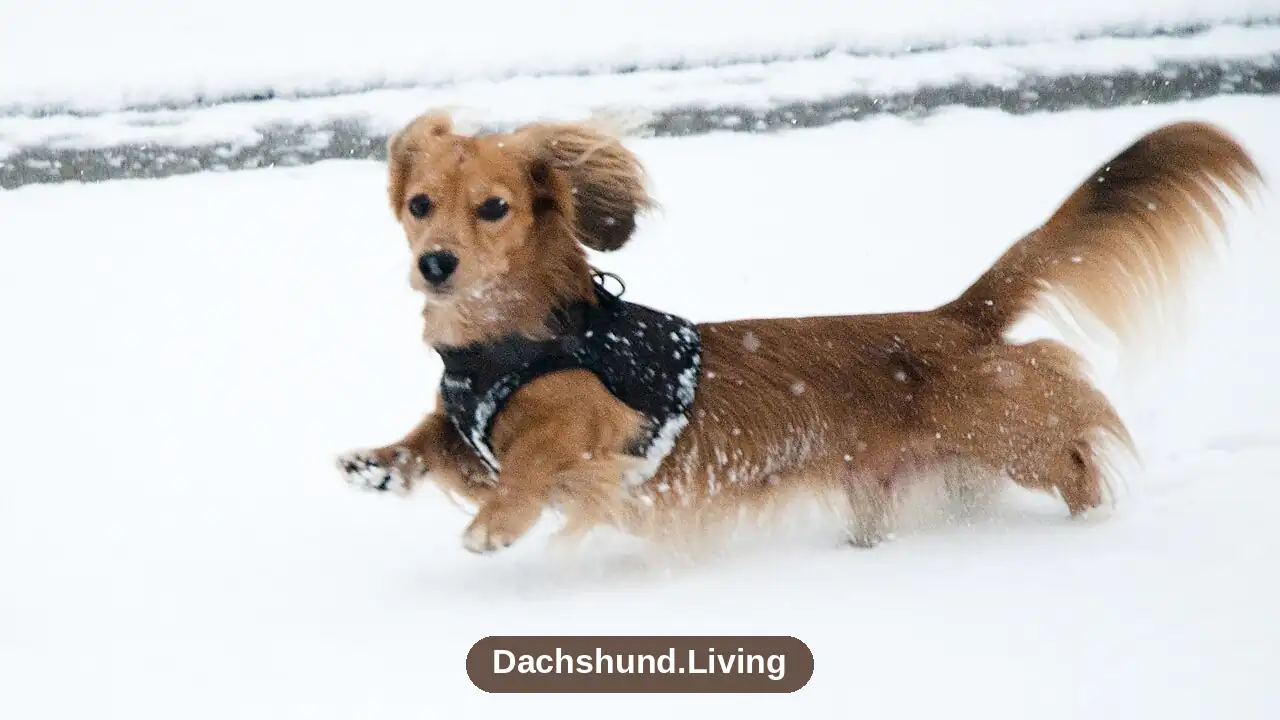
Yes, most enjoy it in short bursts, and mine races through fresh snow like it was made for him. Keep sessions brief, clear a patch down to grass for toilet breaks, dry him well, and head in at the first shiver.
What if my dog eats something toxic over the holidays?
Call your vet immediately, even if your dog seems fine. Chocolate, xylitol, and antifreeze can all do damage before symptoms show, and early treatment gives the best chance. Keep the packet or product name handy so you can say exactly what was eaten.
Winter with a dachshund is mostly small adjustments made early: a coat that fits, clean paws, shorter walks, and a game ready for bad days. I am an owner, not a vet, and this is what cold mornings with low dogs have taught me. If your dog eats something he should not, your vet is the right call.