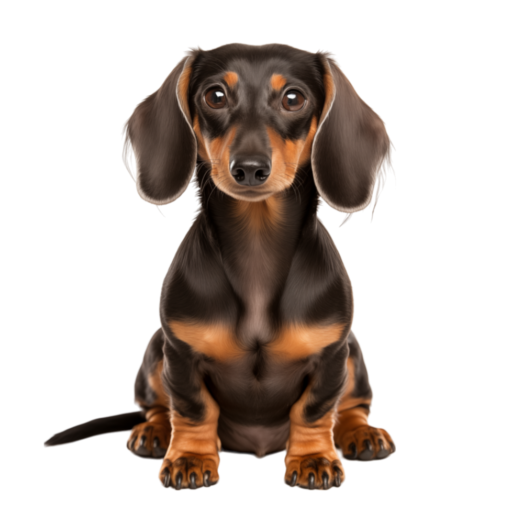

Did you know that those adorable, sausage-shaped dogs sleeping on your couch were once fierce forest hunters? Indeed, the real story of how the Dachshund breed actually began starts in the dark forests of Germany centuries ago. Specifically, German foresters bred these unique dogs to hunt badgers, one of the most ferocious burrowing animals in Europe.
Consequently, every physical trait of this beloved pet was engineered for a dangerous job. In this article, we will explore the fascinating historical records and biological designs behind this iconic canine. By doing so, we can fully appreciate the journey of how the Dachshund breed actually began.
Furthermore, understanding this history helps us care for our modern pets much better. It explains their unique behaviors, such as their love for digging and their loud, booming bark. Therefore, let us dive deep into the fascinating origin story of the world’s favorite badger dog.
The Linguistic Roots of the Badger Dog
Historically, the name of this breed tells you exactly what they were designed to do. In German, the word “Dachs” means badger, while “Hund” means dog. Therefore, the literal translation of the name is simply badger dog.
Moreover, this straightforward name reflects the practical mindset of the early German breeders. They did not design these dogs for beauty pageants or royal laps. Instead, they focused entirely on creating a highly efficient working tool for foresters and land managers.
Consequently, early historical records from the sixteenth century refer to these dogs by various descriptive names. Some texts call them dachs schleichers, which translates to badger creepers. Other documents refer to them as dachs kriegers, meaning badger warriors.
In addition, these names highlight the dangerous nature of the work they performed. Badgers are notoriously aggressive animals with sharp claws and powerful jaws. Thus, the dogs needed to be incredibly brave to face them underground.
Ultimately, this linguistic history shows how the Dachshund breed actually began with a single, clear purpose. The name itself became a badge of honor for these small but fearless hunters. Today, the name remains a proud link to their working heritage.
The Medieval Ancestors and Early Crossbreeding
To understand how the Dachshund breed actually began, we must look at the dogs that existed in medieval Germany. During this era, hunters used large scent hounds called Bracken to track game. However, these large dogs could not follow prey into underground burrows.
Consequently, foresters began selecting smaller mutations from these Bracken litters. They noticed that some puppies had shorter legs but retained their incredible scenting abilities. Therefore, these short-legged dogs became the foundation for a new type of hunting companion.
Furthermore, breeders began crossing these early short-legged hounds with various terrier breeds. This crossbreeding was crucial because terriers brought a fiery determination and a passion for digging. As a result, the offspring possessed the perfect combination of tracking skills and subterranean bravery.
In addition, some historians believe that French pointers were also introduced into the bloodline. This addition helped refine the dog’s pointing and tracking instincts on the surface. Consequently, the breed became a highly versatile hunting tool for all types of terrain.
Indeed, this careful blending of genetics explains how the Dachshund breed actually began to take shape. It was not a sudden creation, but rather a slow process of selective breeding over several generations. This dedication resulted in a highly specialized and effective hunter.
Anatomical Engineering for the Underground Hunt
When analyzing how the Dachshund breed actually began, one must look closely at their unique anatomy. Every physical feature of the dog serves a highly specific hunting purpose. For example, their long rib cages protect their vital organs from collapsing in tight underground tunnels.
Additionally, their short legs allow them to move efficiently through narrow burrows. However, these short legs were not a random mutation. Historically, breeders selected dogs with chondrodysplasia, a form of dwarfism, to ensure they could fit into badger setts.
Consequently, this deliberate selection process is central to how the Dachshund breed actually began. Their paddle-like front paws were designed for rapid digging. As a result, a single dog could quickly clear dirt and blockages to reach its prey.
Furthermore, their loose skin prevented severe injuries from badger bites. If a badger grabbed the dog, the skin allowed the canine to twist and fight back. Therefore, the dog remained highly effective even in the tightest spaces.
Indeed, their long, sturdy tails also served a practical purpose. Hunters would often use the tail as a handle to pull the dog out of a deep hole. Thus, every single physical characteristic highlights how the Dachshund breed actually began as a masterfully engineered hunting tool.
The Unique Voice of a Subterranean Hunter
One of the most surprising features of this small breed is its incredibly loud, deep bark. Historically, this powerful voice was a deliberate breeding choice. When a dog was deep underground, the hunter on the surface needed to know exactly where they were.
Consequently, breeders selected dogs with the loudest and most resonant voices. This allowed the hunters to follow the sound through several feet of solid earth. Therefore, the dog’s bark served as a natural tracking device during the hunt.
Furthermore, the loud bark was used to bay at the prey and keep it cornered. The dog would not necessarily attack the badger immediately. Instead, they would hold the animal in place with their continuous barking until the hunter could dig down to them.
As a result, this vocal trait remains deeply ingrained in the breed today. Modern owners often wonder why their small dogs bark so loudly at minor noises. Truly, this behavior is a direct link to how the Dachshund breed actually began in the German forests.
Indeed, understanding this vocal heritage can help owners manage their pet’s barking habits. Using positive reinforcement training can teach them when it is appropriate to use their powerful voices. This makes life much easier for both the dog and the owner.
The Evolution of the Three Coat Varieties
Today, we recognize three distinct coat varieties, which are smooth, wirehaired, and longhaired. However, these coats did not appear at the same time. Understanding this timeline is essential to learning how the Dachshund breed actually began.
Initially, the smooth-coated variety was the original and most common type. These sleek dogs were perfect for clean underground work in dry soil. Consequently, they became the standard representation of the breed for many decades.
Subsequently, breeders developed the longhaired variety to cope with colder climates and wet terrain. To achieve this, they crossed the smooth dogs with various spaniels. As a result, the new variety possessed a beautiful, protective coat that shielded them from harsh weather.
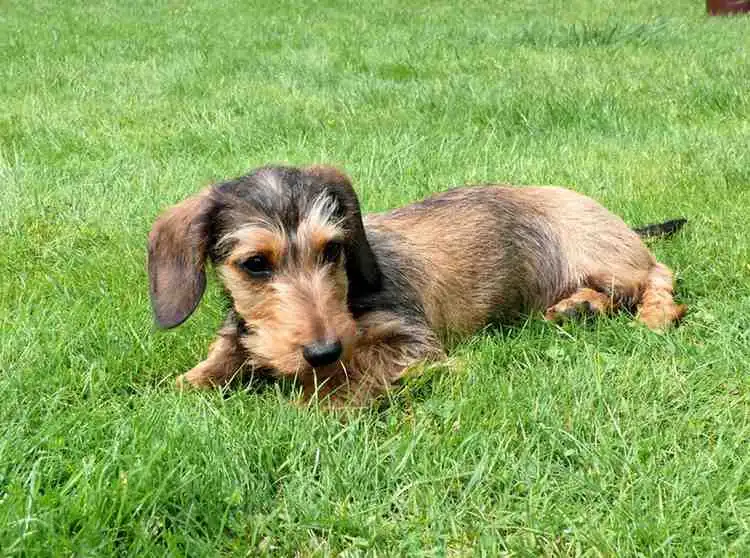
Furthermore, the wirehaired variety was created to handle thick brush and thorny undergrowth. Breeders achieved this by crossing the smooth variety with rough-coated terriers and schnauzers. Therefore, this variety became incredibly tough and resistant to briars.
Indeed, this coat diversification is a key chapter in how the Dachshund breed actually began. It allowed the dog to adapt to different hunting environments across Europe. Today, these three varieties remain highly popular among pet owners worldwide.
The Standard and Miniature Size Split
In addition to different coats, this breed also comes in two official sizes, which are standard and miniature. Historically, this division was also driven by practical hunting needs. Different sizes of prey required different sizes of dogs.
Specifically, the standard variety was used to hunt large badgers and wild boars. These dogs needed to be heavy and strong to survive these dangerous encounters. Consequently, they usually weighed between sixteen and thirty-two pounds.
However, hunters also needed a smaller dog to deal with rabbits and foxes. Therefore, they began breeding the smallest individuals to create a miniature variety. This process allowed the dogs to enter much smaller burrows without getting stuck.
Subsequently, some breeders crossed these smaller dogs with toy terriers and spaniels to speed up the miniaturization process. As a result, the miniature variety gained a highly affectionate and playful temperament. This made them excellent candidates for domestic life.
Ultimately, this size diversification illustrates how the Dachshund breed actually began to expand its appeal. Whether a hunter needed a tough forest warrior or a small rabbit tracker, the breed could adapt. This flexibility ensured their continued popularity across different social classes.
How the Dachshund Breed Actually Began
During the nineteenth century, the breed transitioned from a rustic hunting tool to a fashionable companion. This shift represents how the Dachshund breed actually began to gain international fame. Much of this success can be attributed to royal patronage.
Specifically, Queen Victoria of Great Britain fell in love with the breed. She imported several dogs from Germany, which instantly made them popular among the British aristocracy. Consequently, the breed’s status shifted from a working farm dog to a symbol of high society.
In addition, the American Kennel Club officially recognized the breed in 1885. This milestone marked the beginning of their popularity in North America. As a result, families across the United States began adopting these charming dogs.
Furthermore, early breed clubs established strict standards to preserve the dog’s unique physical traits. These standards ensured that the breed retained its distinctive silhouette and courageous personality. Thus, the modern dog still resembles its working ancestors.
Indeed, this global expansion shows how the Dachshund breed actually began its journey into our hearts. They proved that a dog designed for the forest could easily adapt to a cozy living room. Today, they are consistently ranked among the most popular breeds globally.
The Impact of World Wars on Breed Popularity
Despite their global popularity, these dogs faced severe challenges during the twentieth century. Specifically, the two World Wars created intense anti-German sentiment in many Allied nations. Because of their strong association with Germany, the dogs often faced public hostility.
Consequently, some owners in the United States and Great Britain were harassed. To protect the dogs, some organizations even referred to them as liberty pups during wartime. This dark period temporarily halted the growth of how the Dachshund breed actually began its global dominance.
However, dedicated breed enthusiasts worked tirelessly to protect the bloodlines. They hid their dogs and continued careful breeding in secret. As a result, the breed managed to survive these geopolitical crises intact.
Furthermore, public perception quickly recovered after the wars ended. People once again recognized the dog’s wonderful companion qualities. Therefore, the breed reclaimed its rightful place in households around the world.
Indeed, this resilience is a testament to the strong bond between humans and these unique dogs. It shows that the history of how the Dachshund breed actually began is not just about hunting. It is also a story of survival, loyalty, and human dedication.
Modern Recognition and Legacy of the Badger Dog
Today, the legacy of the German badger dog is celebrated globally. While few dogs are used for hunting badgers today, they still participate in earthdog trials. These events allow them to showcase their natural digging and tracking instincts in a safe environment.
In addition, understanding how the Dachshund breed actually began helps modern owners provide better care. For instance, knowing their history explains their tendency to dig in the yard or bark loudly. These are not behavioral problems, but rather deeply ingrained genetic traits.
Consequently, owners can use positive reinforcement training to manage these natural instincts. Providing appropriate outlets for digging can help keep these dogs happy and healthy. Therefore, learning about their history has practical benefits for modern pet care.
Furthermore, their unique shape means they require specific health considerations. Their long backs are prone to Intervertebral Disc Disease, which is why maintaining a healthy weight is crucial. For more details on managing canine spinal health, consult resources like Purina for expert nutritional advice.
Ultimately, the enduring legacy of this breed lies in its ability to bring joy to millions. They are a perfect blend of history, utility, and companionship. The story of how the Dachshund breed actually began continues to inspire dog lovers everywhere.
The Psychology Behind Their Unique Temperament Traits
Because of their hunting background, these dogs possess a highly unique personality. They are incredibly independent, stubborn, and brave. Consequently, these traits can make training a bit challenging for first-time owners.
However, this independence was essential for their survival underground. When a dog was deep in a burrow, they could not rely on commands from their owner. Therefore, they had to make their own decisions to stay safe and catch their prey.
Furthermore, their stubbornness is simply a manifestation of their incredible determination. They do not give up easily, whether they are chasing a squirrel or trying to get a treat. As a result, owners must use creative and consistent training methods to keep them engaged.
In addition, they are highly loyal and protective of their families. They often form a very close bond with a single person. Consequently, they make excellent watchdogs who will alert you to any visitors.
Indeed, these dachshund temperament traits are a direct result of how the Dachshund breed actually began. When you welcome one into your home, you are bringing in a tiny hunter with a big personality. Embracing their unique traits is the key to a happy relationship.
Caring for a Dog with a Hunting Heritage
Caring for these dogs requires a good understanding of their physical and mental needs. Because they were bred to work, they need regular mental stimulation to prevent boredom. Without it, they may develop destructive habits like chewing or excessive digging.
Consequently, puzzle toys and scent games are excellent ways to keep their minds active. You can hide treats around the house and let them use their powerful noses to find them. This activity satisfies their natural hunting instincts in a safe and fun way.
Furthermore, physical exercise is vital for maintaining their back health. Strong core muscles help support their long spine and prevent injuries. Therefore, daily walks and controlled play sessions are highly recommended.
However, you should avoid activities that put too much stress on their backs. For instance, jumping off high furniture or running up steep stairs can be dangerous. Using ramps and teaching them to use them can significantly reduce the risk of preventing dachshund back injuries.
Ultimately, providing the right care ensures that your dog can live a long, happy life. By respecting their hunting heritage, you can create a safe environment that meets all their needs. This careful approach is the best way to honor the legacy of this incredible breed.
A Lasting Legacy Born in the Forest
In conclusion, the journey of how the Dachshund breed actually began is a remarkable tale of human ingenuity and canine adaptability. From their humble beginnings as fearless badger hunters to their status as beloved family members, these dogs have captured our hearts. Their unique combination of courage, intelligence, and quirky charm makes them truly one of a kind.
Therefore, the next time you watch your dog burrow under a blanket, remember their ancient heritage. They are not just sleeping; they are practicing the skills of their forest-dwelling ancestors. By understanding how the Dachshund breed actually began, we can appreciate the incredible history sitting right next to us.
FAQs
Why do Dachshunds have such long bodies?
The long body of the Dachshund was specifically bred to help them navigate narrow underground badger burrows. This unique shape allowed them to crawl through tight spaces while maintaining enough lung capacity and strength to fight underground predators. Consequently, this physical trait is a direct result of how the Dachshund breed actually began as a working hunting dog.
What were Dachshunds originally bred to hunt?
Dachshunds were originally bred to hunt badgers, which are fierce burrowing animals. However, they were also used to hunt other game such as rabbits, foxes, and even wild boars. Their diverse hunting capabilities made them incredibly valuable to German foresters who needed versatile working dogs.
Where did the Dachshund breed originate?
The Dachshund breed originated in Germany during the fifteenth and sixteenth centuries. German breeders spent generations crossing various hounds and terriers to create the perfect badger-hunting dog. Therefore, Germany is recognized as the official birthplace of this beloved breed.
Why do modern Dachshunds love to burrow under blankets?
Modern Dachshunds burrow under blankets because of their deeply ingrained hunting instincts. Historically, their ancestors spent hours digging into dark underground tunnels to find prey. Consequently, burrowing under blankets makes them feel safe, secure, and close to their ancient forest roots.
How did the breed survive the anti-German sentiment of the World Wars?
The breed survived the World Wars thanks to the dedication of passionate breeders in Allied nations and Germany. Some owners temporarily renamed them liberty pups to protect them from public hostility. As a result of these efforts, the bloodlines were preserved until public sentiment improved after the wars.




[…] or simply thinking about cheese. Many dog owners often find themselves asking just how smart are dachshunds when watching their pets navigate daily life. The short answer is that these dogs are incredibly […]
[…] reputable Dachshund breeder is deeply committed to the betterment of the breed, not just selling puppies. They […]
[…] found yourself admiring a beautiful Dachshund, only to pause and wonder if its unique coat pattern is piebald or dapple? This common confusion […]
[…] delve into each of these crucial elements, providing actionable insights to help your Miniature Dachshund live a full, vibrant […]
[…] you curious about the captivating appearance of a Dachshund Cocker Spaniel cross? These charming mixed-breed dogs, often affectionately known as […]
[…] personalities and appearances, combine? The result is often a delightful surprise, and the Pug Dachshund cross is no exception. Affectionately known as the “Daug,” this charming hybrid brings […]
[…] these pups into your home, you might wonder, how many types of dachshunds are there? The answer is actually more interesting than you might […]
[…] these different Dachshund coat types is essential for anyone considering bringing one of these delightful hounds into their […]
[…] just a random splash of color; they’re a fascinating genetic marvel. Understanding Dapple Dachshund genetics reveals that this unique pattern is far more than skin deep, carrying significant […]