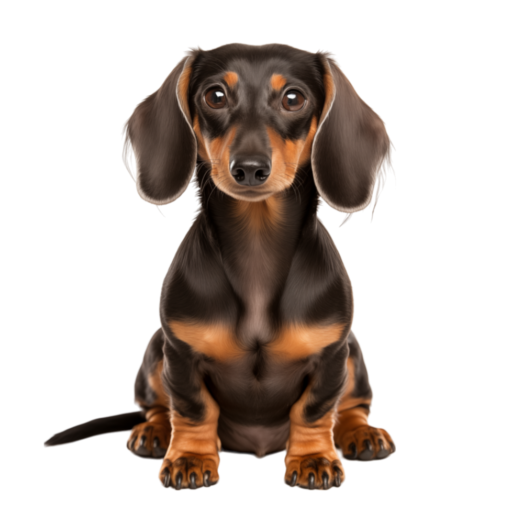
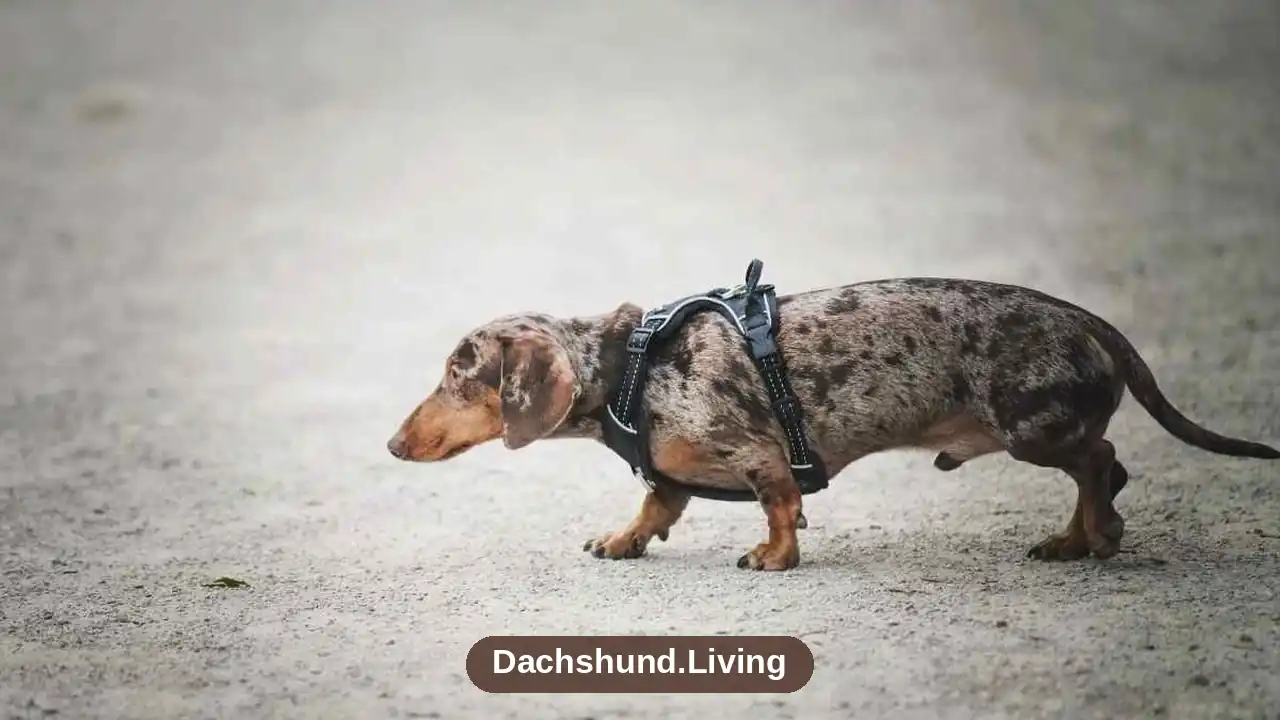

People look at my smooth dachshund and assume he maintains himself. He does not. A short coat hides a fair amount of work, and I learned that the hard way through dull fur, flaky skin, and a sofa covered in fine little hairs.
This guide is the routine I actually follow at home. It covers bathing, brushing, skin care, sun and cold protection, nails, and ears, with no salon required.
The Short Version on Smooth Dachshunds
The smooth coat is the original dachshund coat, built for a working dog in Germany that hunted badgers above and below ground. The breed comes in standard and miniature sizes, and smooth dogs usually weigh anywhere from under 11 pounds for a mini to 32 pounds for a big standard. You can read the full breakdown in my guide to the types of dachshunds if you want the complete picture.
Temperament wise, expect a bold, clever, and stubborn little hunter. Smooth dachshunds bond hard to their people and keep a loud, watchful bark for a dog their size. That personality is exactly why grooming needs to start early, because a stubborn adult who hates the brush is a battle you do not want.
What a Healthy Smooth Coat Looks Like
A healthy smooth coat lies flat, feels sleek under your palm, and shines when the light catches it. The hair is short, dense, and even, with no bald patches or thin spots along the back and ears. When I run my hand against the grain, the coat should spring back and feel clean, not greasy or dusty.
Warning signs are easy to spot once you know your dog. Dull hair, white flakes on dark coats, red skin, or a sour smell all tell me something is off, often before any other symptom shows up.
How Often to Bathe a Smooth Dachshund
I bathe my smooth dachshund every 4 to 6 weeks, and that rhythm works for most dogs with this coat. Bathing more often strips the natural oils that keep short hair glossy, and the skin dries out fast under such a thin layer. If your dog rolls in mud or comes home smelling like the park, an extra bath is fine, just make it a gentle one.
I wrote a separate piece on how often you should bathe a dachshund if you want the full timing debate. The short answer stays the same though. Dirty dog gets a bath, clean dog gets left alone, and the calendar matters less than the coat in front of you.
My Calm Bath Routine
I brush before the bath, never after, so loose hair goes into the bin instead of the drain. Lukewarm water, a non slip mat, and a calm voice do most of the work. I lather with a dog shampoo made for sensitive skin, keep soap away from the eyes and ears, and rinse until the water runs fully clear.
Leftover shampoo is the quiet cause of a lot of itching I see in short coats. Residue sits right against the skin because there is so little hair to hold it away. I towel dry well, and on cold days I use a dryer on its lowest heat while my dog still thinks it is part of the game.
The ASPCA dog grooming tips back up this simple approach. Keep it short, keep it warm, and finish with praise, because a bath that ends well makes the next one easier.
Brushing and Shedding Control
Yes, smooth dachshunds shed, and anyone who tells you otherwise has not owned a dark coat and light furniture. The hairs are short, so the shedding looks lighter than a long coat, but it is steady all year with heavier drops in spring and fall. I keep a full breakdown in my guide on whether dachshunds shed and how each coat type compares.
My routine is a rubber curry brush or grooming mitt two to three times a week, for about five minutes. The rubber lifts loose hair and feels like a massage, which is why my dog leans into it instead of dodging it. In peak shedding weeks I brush daily, because five minutes with a brush saves twenty minutes with a vacuum.
I finish with a soft bristle brush to spread the natural oils along the coat. That last pass is what brings out the shine people notice. Cheap stiff brushes scratch the skin under a thin coat, so I buy decent tools once and keep them for years.
Food, Skin and Coat Shine
Coat shine starts in the food bowl, not the shampoo bottle. A complete diet with good protein and healthy fats gives the skin what it needs to grow strong, glossy hair. When a coat stays dull despite good brushing, I look at the food before I blame the grooming.
Some owners add a little fish oil for omega fatty acids, and vets often suggest it for dry, flaky coats. I only add supplements after a chat with my vet, since too much fat in a small dog adds weight fast. A dachshund carrying extra pounds is a back problem waiting to happen, and no shiny coat is worth that trade.
Fresh water matters too, since skin hydrates from the inside. I refresh the bowl daily and watch intake, because a sudden change in drinking can flag a health issue early.
Skin Care for a Thin Coat
The smooth coat offers very little padding between the world and the skin. Cuts, scrapes, grass allergies, and harness rubs all show up faster on this coat type than on a long or wire coat. I check the belly, armpits, and ear edges with my hands every week during brushing.
Dry skin is the complaint I hear most from smooth owners. Cold indoor heating, too many baths, and harsh shampoo are the usual culprits, in that order. A gentle moisturizing dog shampoo and a proper rinse fix most cases at home within two or three baths.
Lumps, persistent redness, or skin that smells yeasty need a vet, not another product. I do not guess with skin problems that keep coming back. PetMD has a plain guide on how often to bathe your dog that explains how overbathing damages the skin barrier.
Sun, Cold and That Bare Belly
Light colored smooth dachshunds can sunburn, especially on the ears, nose, and that nearly bare belly. I limit midday sun on very hot days and give shade and water on every outing. If your dog is a sunbather, ask your vet about dog safe sunscreen for the thin spots.
Cold bites this breed just as fast. The body sits low, the coat is thin, and the belly rides inches above frozen ground. My dog wears a fitted coat on winter walks, and I keep outings shorter when the wind picks up.
Watch for shivering that does not stop once you are back inside. A warm blanket and a dry coat usually sort it out, and puppies and older dogs need the shortest outings of all.
Nails, Ears and Teeth Basics
Nails are where smooth owners slip up, partly because the grooming list feels so short. I trim every 2 to 4 weeks, and clicking on hard floors tells me I am already late. My step by step guide on how to trim a dachshund’s nails covers clippers, grinders, and finding the quick without drama.
Those long floppy ears trap warmth and moisture, which is a friendly setup for ear infections. I check inside the ears weekly and clean with a vet approved cleaner when I see wax building up. A bad smell, head shaking, or scratching at one ear means a vet visit, not more cleaning.
Teeth round out the basics, and small mouths collect plaque fast. I brush a few times a week with dog toothpaste and keep up with the routine in my dachshund dental care guide. Grooming day and teeth day are the same day in my house, so neither one gets forgotten.
A Simple Weekly Routine
Here is the whole system on one list. It takes me about fifteen minutes a week, spread across the days.
- Brush with a rubber mitt two to three times, daily during heavy shedding.
- Check ears, skin, belly, and paws while you brush.
- Trim nails every 2 to 4 weeks, or grind a little each week.
- Brush teeth a few times a week with dog toothpaste.
- Bathe every 4 to 6 weeks, or when the dog is properly dirty.
The real secret is that short, regular sessions beat one long grooming battle every single time. That calm took a few weeks of treats and patience to build, and it pays off every week.
Frequently Asked Questions
How often should I bathe a short haired dachshund?
Every 4 to 6 weeks suits most smooth dachshunds. Bathe sooner only when your dog is muddy or smelly. More frequent baths strip natural oils and leave the thin coat dry and itchy.
Do short haired dachshunds shed a lot?
They shed steadily all year, with heavier shedding in spring and fall. The hairs are short, so it looks lighter than a long coat, but it still covers furniture. Brushing two to three times a week keeps most of it off your sofa.
What brush works best on a smooth coat?
A rubber curry brush or grooming mitt does the daily work without scratching the skin. Follow it with a soft bristle brush to spread oils and add shine. Avoid stiff slicker brushes, which are too harsh for this thin coat.
Why does my smooth dachshund have dry, flaky skin?
Too many baths, harsh shampoo, and dry indoor heating are the most common causes. Switch to a gentle dog shampoo, rinse very well, and bathe less often. If flakes, redness, or smell keep returning, see your vet to rule out allergies or infection.
Does a smooth dachshund need a coat in winter?
Most do, yes. The thin coat and low belly offer little protection against cold wind and frozen ground. A fitted dog coat makes winter walks comfortable, especially for puppies, seniors, and lean dogs.




[…] upholstery and car seats, which is why smooth coats sometimes seem to shed more than they do. Our short-haired Dachshund guide covers the variety in more detail. A weekly once-over with a rubber curry brush or grooming mitt […]
[…] How much dachshunds shed varies by coat, and the poodle side often keeps it light. Like their short-haired dachshund parent, they need regular brushing to stay […]
[…] brushing tools, bathing, nails, ears and the full weekly routine, read our dedicated short-haired dachshund grooming guide. It covers the smooth coat in the depth this comparison […]