
I have corrected this word in waiting rooms, at the groomer, and once at a family dinner where three people said it three different ways. Nobody was close, and I say that as someone who got it wrong for years myself.
My first dachshund came home as a puppy, and I proudly told the vet receptionist I had a dash-hound. She smiled, wrote dachshund on the file, and gently said the real version out loud for me.
I am Umar, a lifelong fan of this breed, not a language teacher or a linguist. What follows is the simple breakdown that finally stuck for me, plus the German bits nobody tells you at the pet shop.
Say It Like This
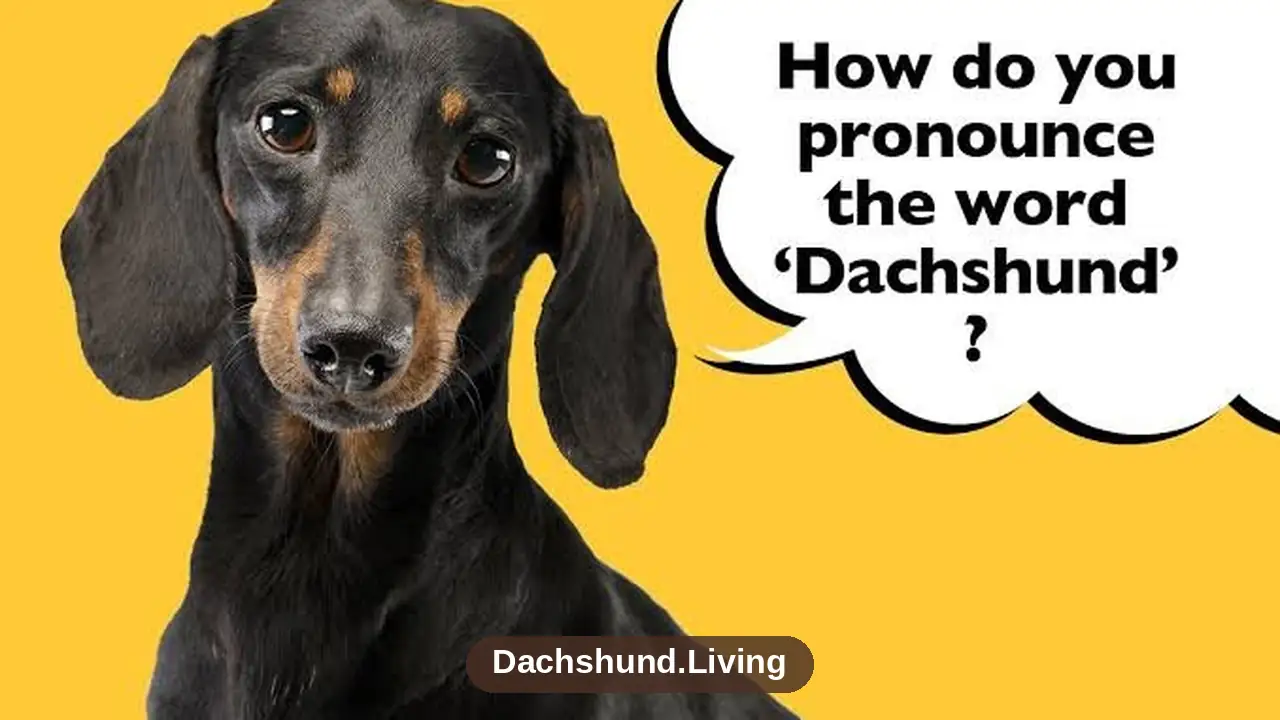
The version you will hear most often in English is DAHKS-huunt. Say it in two clear beats, with the stress on the first beat.
You will also see it written as dahks-hund in some guides, which points at the same sound. The last part is not hund like in thunder, it is a short huunt that ends with a crisp t.
Merriam-Webster lists dachshund with that pronunciation and a sound clip you can play on repeat. I still send that link to friends who are about to bring a puppy home.
First Half: Dachs
Dachs rhymes loosely with socks if you swap the s for a softer ah sound at the start. Think DAHKS, with a short ah like in father and a hard k in the middle.
That k is where English speakers usually land, and it works fine in everyday talk. In German the ch makes a soft throaty sound, a bit like clearing your throat very gently.
You hear that same throaty sound in the name Bach and in the Scottish word loch. You do not need to master it to be understood at the dog park.
Second Half: Hund
Hund is where the word trips people, because the spelling suggests an English u sound. In German the u is short and rounded, closer to the oo in foot than the u in fun.
The final d also changes, and German speakers pronounce it like a t. Put that together and Hund comes out as huunt, short and clipped at the end.
Say DAHKS on its own five times, then huunt on its own five times. Join them slowly once, and the full word usually falls into place on the second or third try.
What the Name Means
Dachshund is a compound word built from two plain German words. Dachs means badger, and Hund means dog, so the whole name translates as badger dog.
That is not a cute nickname added later for marketing. The name describes the original job, going underground after badgers and driving them out for hunters above.
If you want the longer story, our piece on how the dachshund breed actually began traces those hunting roots in detail. It makes the long body and short legs make a lot more sense.
We also dug into the badger work itself in were dachshunds bred to hunt badgers, and the answer is yes, very deliberately. These small dogs were built brave on purpose.
How Germans Actually Say It
Here is the part that surprised me most on a trip chat with a German breeder online. Many Germans rarely use the full word Dachshund in casual conversation at all.
At home the everyday name is Dackel, which is the friendly, common word you will hear in parks and homes. Order a coffee in Munich with a dog at your feet, and Dackel is the word strangers will use.
Teckel is the other name, and hunters and breed clubs tend to favour it. It shows up in hunting contexts and in some official breed paperwork in Germany.
So Dachshund is correct and formal, Dackel is everyday, and Teckel carries a working and hunting flavour. Knowing all three helps if you read German breeders or watch German dog shows online.
The German pronunciation of the full word also puts more throat into that ch sound. English speakers softening it to a k is normal, accepted, and not something to feel sheepish about.
Mistakes I Hear Most
Most errors come from reading a German word as if it were English. Once you spot that habit, the wrong versions start to sound wrong to your own ear too.
- Dash-hound, the classic, which splits the word in the wrong places and adds an h that is not there.
- Datsun, like the old car brand, which always gets a laugh and is oddly common with kids.
- Dacks-hund with a flat English hund at the end, close but missing the huunt sound.
- Dash-und or dach-shund, where the middle ks sound gets lost completely.
- Doxie said as a full breed name in formal settings, sweet as a nickname but not the breed name.
I have heard every one of these at my own vet clinic, and the staff never blink. They hear them daily, and a polite correction is all anyone ever offers.
Spelling causes just as much trouble as speaking, by the way. Dachshund has an h after the c and another h in the middle stretch most people want to drop.
Plurals, Sizes and Club Names
In English the plural is simple, just dachshunds with an s on the end. A group at a meetup is dachshunds, never dachshunde or anything fancy borrowed from German.
In German, Dackel stays Dackel whether there is one dog or five. That one threw me when I first read German posts and kept hunting for a plural ending that never came.
Kennel clubs keep the formal name and then sort the dogs by size and coat. The American Kennel Club dachshund page lists standard and miniature sizes under the one breed name.
Our guide to the types of dachshunds walks through those sizes in plain owner language. In Germany there is also a third, smaller size called Kaninchen, which means rabbit, for dogs bred to work rabbit burrows.
Coat adds another layer to the naming at shows, with smooth, longhaired and wirehaired dogs shown as varieties of the same breed. The name stays dachshund in every ring, whatever the coat is doing.
Nicknames Are Allowed
None of this means you have to retire wiener dog or sausage dog at home. I use both daily, usually while my dog is stretched out in a sun patch looking exactly like one.
Our comparison of sausage dog vs dachshund looks at where those nicknames came from and when each one fits best. Nicknames are affection, and this breed collects them faster than most.
My rule is simple and it has served me well. Use dachshund, said properly, with vets, breeders and groomers, and save the nicknames for the couch.
Quick Ways to Practise
Say the word out loud while you make tea or walk to the door, not silently in your head. Your mouth needs the reps more than your eyes need the spelling.
Record yourself on your phone and play it back next to a dictionary clip. The gap you hear is usually just the last syllable, and fixing that one bit fixes the whole word.
Teaching someone else speeds things up too. I taught my nephew in one car ride, and correcting his datsun version locked the right sounds in for both of us.
Listen to It Said Properly
This short video says the word slowly and in normal speech, which is exactly the mix that helped me. Play it twice, say it along with the speaker the second time, and you will hear your own version tidy itself up.
Frequently Asked Questions
How do you say dachshund correctly?
Say DAHKS-huunt, in two beats with the stress on the first. The ch softens to a k sound in English, and the final d sounds like a t.
What does dachshund mean in German?
It means badger dog. Dachs is badger and Hund is dog, a direct nod to the job the breed was created to do.
What do Germans call a dachshund?
Most Germans say Dackel in everyday life. Hunters and breed clubs often use Teckel, while Dachshund remains the formal full name.
Is dash-hound ever acceptable?
People will understand you, but it is not correct. Swap it for DAHKS-huunt and you will be saying the name the way breeders and vets use it.
What is the plural of dachshund?
In English it is simply dachshunds, with an s added. In German, Dackel stays the same for one dog or many.
That is really all there is to it. Two syllables, a badger, a dog, and a word that stops feeling awkward after a day of saying it around the house.
A quick note to close. I am an owner sharing what I have picked up over years with this breed, not a linguist, and if a German speaker offers you a finer version, take it as a gift and copy it.

[…] It sounds closer to DAHKS-hoont than the dash-hound many English speakers say, and our guide on how dachshund is actually pronounced walks through it […]