
The first time I ran my hand over a wire-haired dachshund, I understood why owners describe the coat before anything else. It does not feel like petting a smooth dog at all. It feels like brushing your palm across a stiff little jacket that happens to be alive.
That coat is the whole story with this variety. The beard, the eyebrows, the harsh texture and even much of the personality people report all trace back to it. If you are comparing the three coats, my guide to dachshund coat types sets them side by side.
This page stays with the wire coat itself. What it feels like, how it is built, how it changes through the year, and what living with it actually asks of you. No generic breed tour, just the wiry details that decide if this is your coat.
Run your hand over one first
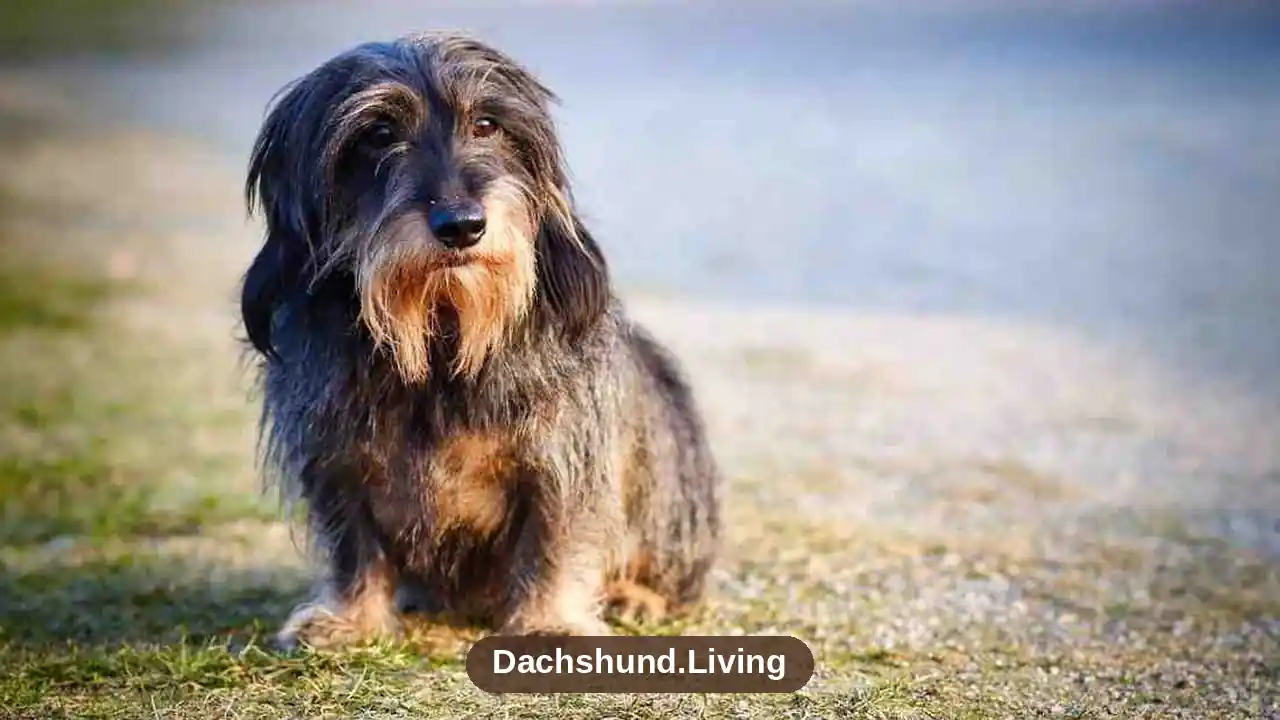
A correct wire coat feels harsh, almost bristly, when you stroke it. The hairs are thick, hard and close lying, and they push back against your fingers a little. Run your hand the wrong way and the texture is even rougher, like a doormat in miniature.
Underneath that top layer sits a completely different coat. Part the outer hairs and you find a soft, dense undercoat that feels more like fluff. The two layers work as a team, the harsh shell outside and the warm padding underneath.
That shell is why a wire comes in from a muddy walk looking better than you expect. Dirt tends to sit on the surface and brush out once it dries, instead of soaking straight through. Rain beads and shakes off in a way that always surprises first time owners.
Texture varies more in wires than in the other coats. Some dogs are very harsh and tight coated, almost like a terrier, while others run softer and a bit woolly. A soft coat is not a fault in a pet home, but it mats faster and loses that weatherproof feel.
The beard, the brows and the furnishings
The face is what sells this variety, and I say that as someone who fell for it completely. Wires grow a proper beard and moustache, plus thick eyebrows that give them a serious, almost professorial look. The expression can look stern in photos and then fall apart the moment the dog does something ridiculous.
Those longer facial hairs are called furnishings, and the legs carry shorter, harder hair to match. On a well kept wire the furnishings frame the face without flopping into the eyes. Left ungroomed, the beard grows long, shaggy and permanently damp looking.
The beard has one honest downside nobody should hide from you. It traps water after every drink and collects bits of dinner with real commitment. A quick wipe after meals becomes part of life, and most of us keep a small towel near the bowl.
Brushing and the weekly reality
Weekly coat care is simpler than the scruffy look suggests. I brush my wire types two or three times a week with a slicker brush, then follow with a steel comb. The comb is the honest tool here, because it finds the small tangles the brush skims over.
Pay attention to the spots where friction lives. Behind the ears, under the collar, in the armpits and through the beard are where mats start. Five calm minutes twice a week keeps those areas clear, and most wires learn to enjoy the routine.
Bathing stays occasional in this house. The harsh coat does not hold odor the way softer coats can, so a bath every six to eight weeks, or after a genuinely filthy walk, is plenty. Over bathing with heavy conditioners softens the texture you are trying to keep.
People often ask me about shedding before they ask anything else. Wires shed lightly, and much of the loose hair stays caught in the coat until you brush or strip it out. My guide to dachshund shedding explains how the three coats compare on the sofa test.
The twice yearly coat cycle
Twice a year, usually spring and autumn, the wire coat blows. Dead outer hairs loosen, the undercoat sheds out, and the dog can look oddly patchy for a few weeks. This is the cycle doing its job, not a coat going wrong.
You can tell a coat is ready by the look and feel of it. The colour dulls, the texture turns softer and fluffier, and hairs come away easily when you pinch and pull gently. Groomers call that coat blown, and it is the natural cue that stripping time has arrived.
During the cycle I step brushing up to every other day. Loose undercoat comes out in satisfying handfuls and the dog seems relieved to lose it. Once the new harsh coat grows through, the colour sharpens again and the whole dog looks tidier.
Hand stripping, in short
Hand stripping is the one wire skill that sounds stranger than it is. It simply means pulling the dead outer hairs out by hand, or with a stripping tool, so fresh harsh growth can come through. The rule that matters is hand stripping, not clipping, if you want to keep the true wire texture.
Clipping cuts the hair instead of removing it from the root. Over time the coat grows back softer, duller and less weatherproof, and it rarely returns to full harshness. Many pet owners still choose clipping for convenience, which is a fair trade if you accept the softer coat that follows.
Most wires are stripped every eight to twelve weeks, or in one bigger session when the coat blows. It should not hurt when the coat is ready, because dead hair releases easily. For the full method, tools and step by step routine, read my complete guide to grooming a wire-haired dachshund.
If stripping your own dog feels like too much, ask groomers one direct question. Ask if they hand strip wire coats, because many salons clip every dog by default. The ASPCA grooming guidance is a good baseline for general coat and nail care between those appointments.
Built for rough country
The wire coat exists because of work, not fashion. In the late 1800s, German breeders crossed smooth dachshunds with rough coated terriers, and later pinscher types, to build a tougher jacket. The goal was a dog that could push through brambles, thorn and cold wet ground without its coat tearing or soaking.
Wild boar work shaped the variety most of all. Wires were used above ground on rough, broken country where a soft coat would snag and shred. That harsh outer layer acted like armour, and the dense undercoat kept the dog warm while it waited and worked.
The American Kennel Club breed page describes the wire coat as short, thick and hard, with the beard and eyebrows I keep going on about. Read that description beside a living wire and it matches almost word for word. Standards run 16 to 32 pounds and miniatures 11 pounds and under, in the same wiry wrapping.
That wiry temperament
Ask wire owners about personality and a pattern comes up again and again. Many report a terrier like streak, bolder and more outgoing than the average smooth, with a clownish streak that borders on performance. My wires have always been the first to greet visitors and the last to accept that a joke is over.
The hunting wiring shows in daily life too. A wire spots a squirrel, a rustle or a suspicious leaf and the whole body locks on with joyful intensity. That prey drive means a secure lead outdoors and a garden fence you have actually checked, not assumed.
Stubbornness has not been bred out, so do not expect a biddable little terrier either. A wire will hear you, consider your request, and sometimes decide the hedgehog trail matters more. Short, upbeat training sessions with real rewards work far better than repeating yourself at rising volume.
Energy sits a touch higher than many people expect from a small long dog. Thirty to forty five minutes of walks and play a day, plus scent games indoors, keeps most wires settled. An under exercised wire invents its own entertainment, and you will rarely approve of the results.
Who should pick wire, who should pick smooth
Choose the wire if you like a dog with presence. You get the beard, the brows, the low odor coat and, in many homes, the boldest character of the three varieties. You also get a grooming commitment with a name and a schedule, so go in with eyes open.
Pick the smooth instead if you want the lowest maintenance coat in the breed. A smooth needs a quick brush, sheds more visibly, and feels cold weather more, but asks almost nothing of your grooming calendar. Neither choice is better, they are just different bargains.
Think twice about wire if hand stripping costs in your area shock you, or if a damp beard on your trousers will genuinely bother you daily. Think twice about smooth if heavy shedding on clothes is your deal breaker. Matching the coat to your real tolerance, not your favourite photo, is the decision that lasts.
Frequently Asked Questions
What does a wire-haired dachshund coat feel like?
Harsh and bristly on top, with a soft dense undercoat beneath. The beard and eyebrows feel coarser than the body coat. A correct wire coat should never feel silky.
How often does a wire coat need stripping?
Most pet wires do well stripped every eight to twelve weeks. Some owners strip in one session when the coat blows twice a year. A groomer who knows wire coats can set the rhythm for your dog.
Do wire-haired dachshunds shed much?
They shed lightly compared with smooths, because loose hair stays trapped in the coat. Brushing and stripping remove most of it before it reaches your furniture. Expect a heavier shed during the twice yearly coat change.
Can I clip a wire coat instead of stripping it?
Yes, and many pet owners do. The coat will grow back softer, duller and less weatherproof over time. If the harsh texture matters to you, stripping is the way to keep it.
Are wire-haired dachshunds more energetic?
Many owners find them a touch bolder and busier than smooths, with a terrier like streak. Every dog is an individual, so meet the parents and the puppies if you can. Daily exercise and scent games suit the variety well.


[…] are known for their long bodies, short legs, and three coat varieties: smooth, long-haired, and wire-haired. They are fiercely loyal and can be quite stubborn, often exhibiting a big dog personality in a […]
[…] Wire-haired Dachshund‘s coat is a marvel of nature, designed for their original purpose as badger hunters. […]
[…] of Dachshunds offers an array of delightful choices, but two often spark confusion: the Kaninchen Dachshund and the Miniature Dachshund. While both are undeniably charming, the primary difference lies in […]
[…] of a loyal, playful, and undeniably charming Dachshund to complete your family? You’re in luck, because Texas offers numerous heartwarming […]
[…] long-bodied dog breed? You’re not alone. Many dog lovers and even owners struggle with how Dachshund is actually pronounced, often leading to confusion or a quick switch to “wiener dog.” […]
[…] but the answer is quite straightforward. Yes, a sausage dog is indeed just another name for a Dachshund, a beloved breed known for its distinctive long body and short […]
[…] a few times a year, either by a groomer or by you if you learn the technique. See our complete wire-haired Dachshund care guide for the full routine. Weekly brushing at home keeps the coat tidy between stripping […]
[…] the safest bet. It sheds the least, so fewer allergens reach your home environment. Read our wire-haired Dachshund care guide for […]